I remember the first time I tackled a double bowl kitchen sink drain installation. My old sink was leaking, dishes were piling up, and the thought of calling a plumber felt like admitting defeat. As a busy parent and homeowner, I needed a clean, functional kitchen without breaking the bank. Installing a double bowl kitchen sink drain might sound intimidating, but with the right tools and a bit of patience, it’s a project you can handle.
This guide is for homeowners, renters, and anyone who loves a tidy kitchen. I’ll walk you through every step, share practical tips, and highlight why a properly installed drain keeps your kitchen safe, hygienic, and efficient.
A double bowl sink is a game-changer for multitasking—washing dishes in one bowl while soaking laundry or rinsing veggies in the other. But if the drain isn’t installed correctly, you’re looking at leaks, clogs, or even mold growth, which can harm your family’s health and your home’s value. Let’s dive into this project with confidence, ensuring your kitchen stays a clean, happy hub.
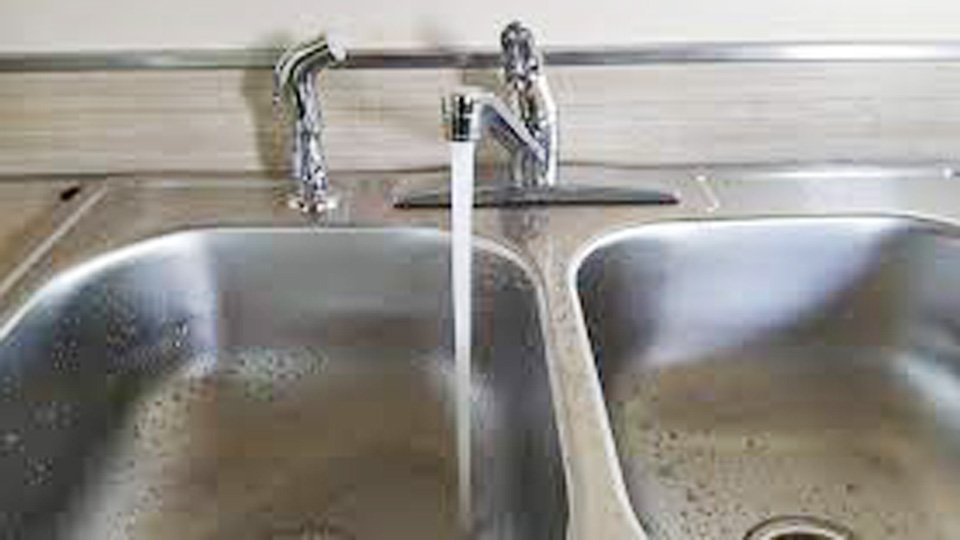
Image by homedepot
Why a Proper Drain Installation Matters
A well-installed double bowl kitchen sink drain does more than just whisk away water. It prevents leaks that can damage cabinets, reduces the risk of mold, and keeps your kitchen smelling fresh. For parents, a leak-free sink means one less worry in a hectic day.
For renters, it’s about maintaining a space you’re proud of without costly repairs. And for cleaning enthusiasts, a smooth-draining sink makes dishwashing and cleanup a breeze. Plus, a DIY installation saves you hundreds compared to hiring a plumber, which is a win for any budget-conscious household.
Tools and Materials You’ll Need
Before you start, gather your supplies. Having everything ready saves time and frustration. Here’s what I used when I installed my sink drain, tailored for a double bowl setup:
- Adjustable wrench: For tightening nuts and fittings.
- Pipe wrench or channel-lock pliers: To secure pipes firmly.
- Plumber’s putty: Creates a watertight seal around drain flanges.
- Silicone sealant: For extra leak protection (optional but helpful).
- Double bowl sink drain kit: Includes drain baskets, tailpieces, and P-trap components.
- PVC pipe cutter or hacksaw: For cutting pipes to size.
- Teflon tape: For sealing threaded connections.
- Bucket: To catch water drips.
- Rags and cleaning supplies: For wiping surfaces and cleaning up.
- Screwdriver: For securing drain baskets.
- Measuring tape: To ensure precise cuts.
- Safety gear: Gloves and safety glasses to protect your hands and eyes.
Pro Tip: Double-check that your drain kit is designed for a double bowl sink. Some kits are for single sinks, which won’t work for this setup.
Preparing Your Workspace
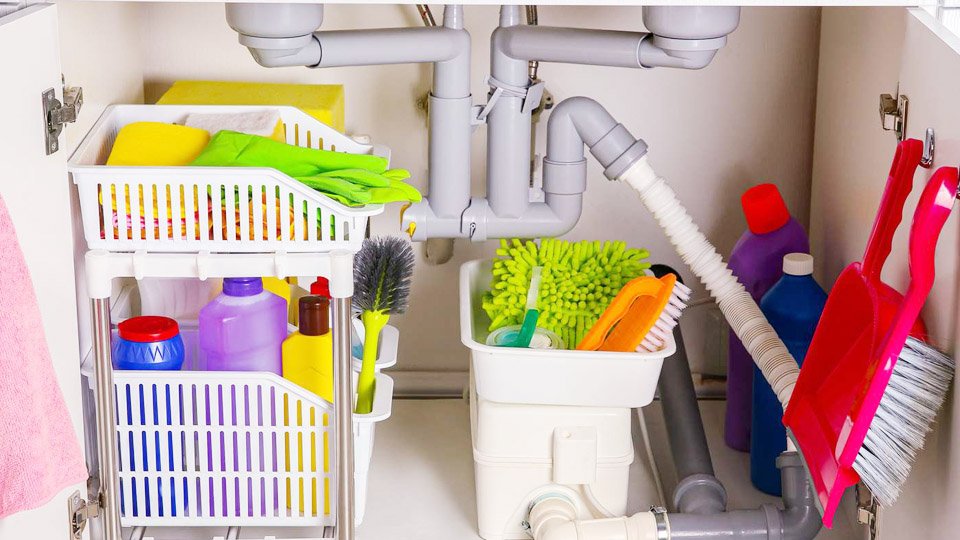
A clean, organized workspace makes the job easier and safer. Start by turning off the water supply under the sink to avoid any surprises. Place a bucket under the pipes to catch any water still in the system. Clear out cleaning supplies or storage items from under the sink—I learned the hard way that a cluttered cabinet leads to knocked-over bottles and extra mess.
If you’re replacing an old drain, remove it carefully. Use your wrench to loosen the nuts connecting the old P-trap and tailpieces. Be ready for some water to spill, so keep those rags handy. Once the old drain is out, clean the sink’s drain holes thoroughly with a rag and some all-purpose cleaner to remove grime or old putty.
Safety Warning: If you notice rusty or damaged pipes, replace them entirely. Rusty pipes can lead to leaks or even burst, causing water damage. Always wear gloves to avoid sharp edges.
Step-by-Step Guide to Installing a Double Bowl Kitchen Sink Drain
Here’s the heart of the project: installing the drain. I’ve broken it down into clear steps based on my own experience, so you can follow along without feeling overwhelmed.
Step 1: Apply Plumber’s Putty to the Drain Flanges
Take your plumber’s putty and roll it into a thin rope, about the thickness of a pencil. Wrap it around the underside of each drain flange (the part that sits on top of the sink’s drain hole). This creates a watertight seal. Press the flange firmly into each drain hole, ensuring it sits flush. Wipe away any excess putty that squeezes out for a clean look.
Real-World Tip: I once skipped the putty, thinking silicone alone would do the trick. Big mistake—leaks appeared within days. Stick with putty for a reliable seal.
Step 2: Secure the Drain Baskets
Underneath the sink, slide the rubber gasket and metal washer (included in your drain kit) onto the threaded part of each flange. Tighten the locknut by hand, then use your wrench for a final snug turn. Don’t overtighten—you risk cracking the sink or stripping the threads. Repeat for both bowls.
Do’s and Don’ts:
- Do: Check that the drain basket aligns evenly with the sink.
- Don’t: Force the locknut if it feels stuck; loosen and realign instead.
Step 3: Connect the Tailpieces
The tailpiece is the straight pipe that extends from each drain basket. Attach a tailpiece to each drain using the provided nuts and washers. If your sink is deep, you might need to cut the tailpiece to the right length using a PVC cutter or hacksaw. Measure twice, cut once—I learned this after trimming a pipe too short and having to buy a replacement.
Checklist:
- Ensure tailpieces are long enough to reach the P-trap.
- Use Teflon tape on threaded connections for a secure, leak-free fit.
- Double-check alignment to avoid strain on the pipes.
Step 4: Install the P-Trap Assembly
The P-trap is the curved pipe that prevents sewer gases from entering your kitchen. For a double bowl sink, you’ll use a special P-trap kit designed to connect both tailpieces. Attach the horizontal pipe from each tailpiece to the T-fitting (included in the kit). Then, connect the T-fitting to the P-trap, which leads to the main drain line in the wall.
Use slip nuts and washers to secure each connection. Hand-tighten first, then give a gentle turn with your wrench. If the pipes don’t align perfectly, you may need to cut or adjust them slightly.
Safety Warning: Never glue PVC pipes in a drain system unless instructed by the kit. Gluing makes future repairs or cleanouts nearly impossible.
Step 5: Test for Leaks
Turn the water supply back on and run water through both sinks. Let the water flow for a minute, then check all connections for drips. Tighten any loose fittings gently. If you spot a leak, dry the area, apply Teflon tape or more putty, and retest. I had a small drip at the P-trap once, and a quick wrap of Teflon tape fixed it in seconds.
Table: Common Leak Points and Fixes
| Leak Location | Likely Cause | Quick Fix |
|---|---|---|
| Drain Flange | Insufficient putty or loose nut | Add more putty, tighten locknut |
| Tailpiece | Loose connection or no Teflon tape | Apply Teflon tape, tighten nut |
| P-Trap | Misaligned pipes or loose slip nut | Realign pipes, tighten slip nut |
Step 6: Clean Up and Final Touches
Once you’re leak-free, clean up any water, putty, or debris under the sink. Return any stored items, but consider organizing them in bins to make future access easier. Run both sinks again to admire your work—a smoothly draining double bowl sink is a thing of beauty!
Maintaining Your Double Bowl Sink Drain
A good drain installation is just the start. To keep your sink working perfectly, regular maintenance is key. Here’s how I keep my kitchen sink drain in top shape:
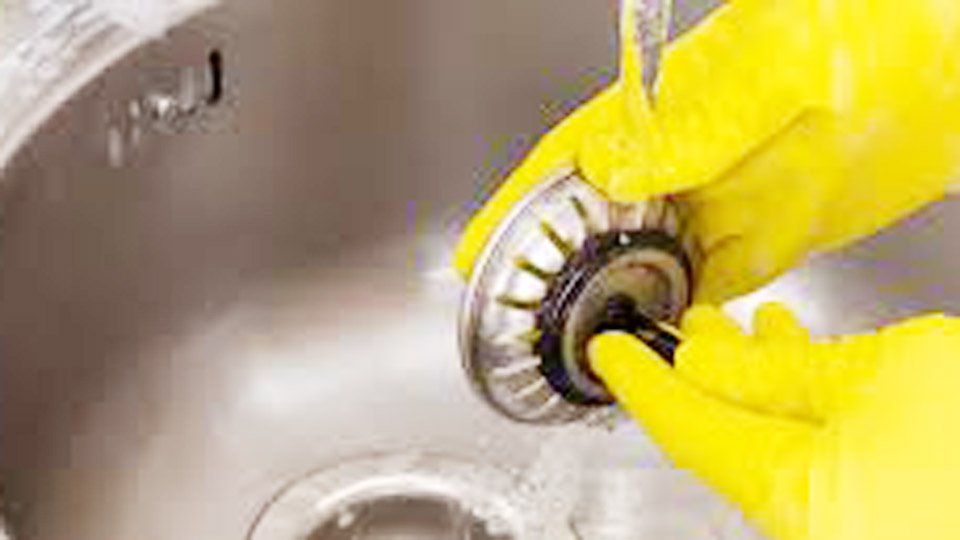
Clean the Drain Baskets: Remove food debris from the drain baskets weekly to prevent clogs. A quick scrub with dish soap and a brush does the trick.
Flush with Hot Water: Once a month, pour a pot of hot (not boiling) water down each drain to melt grease buildup.
Use a Drain Snake: If water drains slowly, a drain snake can clear minor clogs without harsh chemicals.
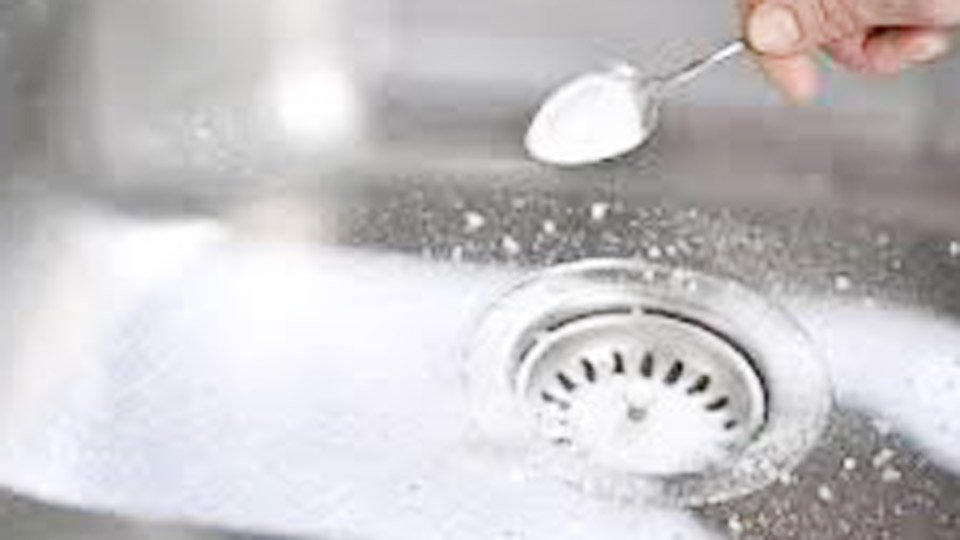
Avoid Harsh Chemicals: Drain cleaners can corrode pipes over time. Opt for natural solutions like baking soda and vinegar for stubborn clogs.
Real-World Scenario: Last Thanksgiving, my sink backed up right before guests arrived. A quick plunge with a drain snake saved the day, and I’ve made it a habit to check the drains before big gatherings.
Troubleshooting Common Issues
Even with a perfect installation, issues can pop up. Here are some problems I’ve faced and how to fix them:
Slow Draining: Likely a partial clog. Use a plunger or drain snake. For persistent clogs, disassemble the P-trap and clean it out.
Foul Odors: Sewer smells mean the P-trap might be dry or clogged. Run water through both sinks to refill the trap, or clean it with a brush.
Leaks After Installation: Double-check all connections. Most leaks come from loose nuts or missing Teflon tape.
Safety Warning: Never ignore a persistent leak. Water damage can lead to costly repairs and mold growth, which is a health hazard, especially for kids or anyone with allergies.
Why This Project Is Worth Your Time
Installing a double bowl kitchen sink drain isn’t just about fixing a problem—it’s about taking control of your home. A properly installed drain means fewer headaches, a cleaner kitchen, and more time for what matters, like family dinners or a quiet evening.
For renters, it’s a skill that can save you from deposit-draining repairs. For parents, it’s about creating a safe, hygienic space for your kids. And for cleaning enthusiasts, it’s the satisfaction of a job well done.
This project took me a Saturday afternoon, but the confidence it gave me was priceless. You don’t need to be a pro—just follow the steps, take your time, and don’t be afraid to double-check your work. Your kitchen deserves to shine, and so do you.
Frequently Asked Questions
How long does it take to install a double bowl kitchen sink drain?
With the right tools and preparation, the installation takes about 1–2 hours. If you’re new to plumbing, give yourself 3–4 hours to account for learning and troubleshooting. Take it slow to avoid mistakes.
Can I install a double bowl sink drain without plumber’s putty?
While silicone sealant can work, plumber’s putty is the gold standard for a reliable, watertight seal. I tried skipping it once and regretted it when leaks appeared. Stick with putty for best results.
What should I do if my new drain leaks?
Check for loose connections or missing Teflon tape. Tighten nuts gently and reapply putty or tape where needed. Run water to test again. If leaks persist, disassemble and inspect for damaged parts.
Is it safe to use chemical drain cleaners after installation?
Avoid chemical cleaners—they can corrode your new pipes and harm the environment. Use a drain snake or natural solutions like baking soda and vinegar to clear clogs safely.
Can I install a garbage disposal with a double bowl sink drain?
Yes, but you’ll need a compatible drain kit and possibly an adapter. Attach the disposal to one tailpiece before connecting to the P-trap. Follow the disposal’s instructions for a secure fit.