If you’re looking to keep your bathroom sparkling clean and germ-free, you’ve probably heard that bleach is a powerhouse cleaner. I’ve spent years experimenting with cleaning solutions, and I can tell you, making your own bleach cleaner for the bathroom is not only easy but also super cost-effective. Plus, it’s satisfying to know exactly what’s in your cleaner!
I’ll walk you through how to make a bleach cleaner that’s safe, effective, and perfect for tackling bathroom grime. Whether you’re cleaning tiles, sinks, or toilets, I’ve got you covered with practical tips and tricks I’ve learned along the way.
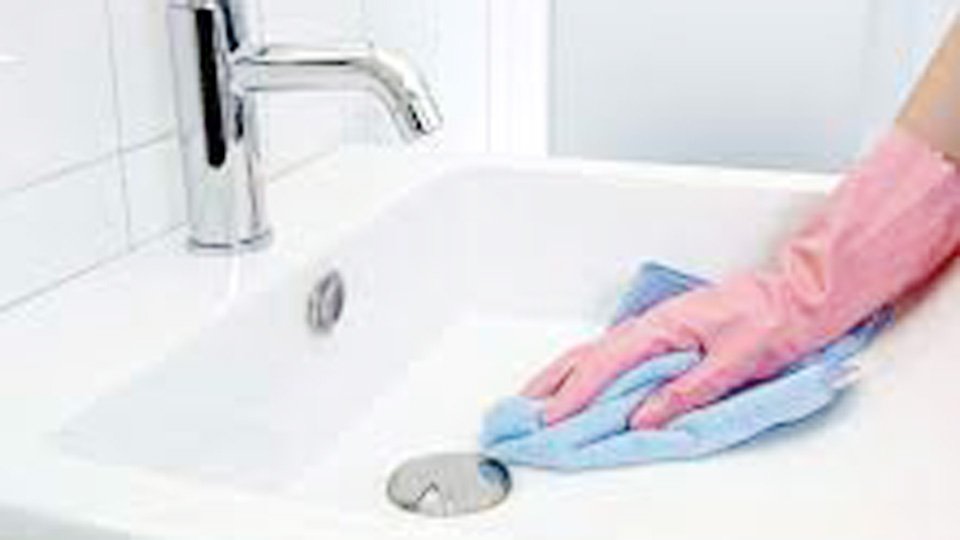
Image by premier-cleaning
Why Use Bleach for Bathroom Cleaning?
Bleach is like the superhero of disinfectants. It kills 99.9% of germs, including bacteria, viruses, and even tough mold and mildew that love to hide in damp bathroom corners. I’ve found it especially great for whitening grout and making my toilet bowl shine. But here’s the thing—bleach isn’t a cleaner on its own. It’s a disinfectant.
So, you’ll need to pair it with other steps to get rid of dirt and grime first. The best part? It’s affordable and widely available. However, you’ve got to use it carefully to avoid damaging surfaces or your health. Let me share how I make it work safely and effectively.
Safety First: Precautions When Using Bleach
Before we get to mixing, let’s talk safety. I learned this the hard way when I once mixed bleach with a window cleaner and got a whiff of something nasty. Never mix bleach with ammonia, vinegar, or other cleaners—it can create toxic gases like chlorine or chloramine. Always work in a well-ventilated area. I open my bathroom window and turn on the exhaust fan.
Wear gloves to protect your skin, and keep kids and pets out of the room. Also, always use regular, unscented household bleach with 5-9% sodium hypochlorite. Scented or splashless bleach might not be strong enough for disinfecting.
What You’ll Need to Make a Bleach Cleaner
Making your own bleach cleaner is super simple. Here’s what I grab from my kitchen or cleaning cupboard:
- Unscented household bleach: Make sure it’s 5-9% sodium hypochlorite.
- Water: Room temperature works best.
- Spray bottle: A 32-ounce opaque bottle is perfect to avoid light degrading the bleach.
- Measuring cup or spoons: For accurate ratios.
- Gloves: To keep your hands safe.
- Microfiber cloth or sponge: For wiping surfaces.
- Optional: Liquid dish soap: I sometimes add a tiny bit for extra cleaning power.
You probably have most of this at home already, which makes this a budget-friendly project!
Step-by-Step Guide to Making a Bleach Cleaner
I’ve fine-tuned this recipe over time to make sure it’s effective and safe. Follow these steps, and you’ll have a powerful bathroom cleaner ready in minutes.
Step 1: Choose Your Dilution Ratio
The key to a good bleach cleaner is getting the dilution right. Too strong, and it might damage surfaces. Too weak, and it won’t disinfect properly. For general bathroom cleaning, I use a ratio of 1/3 cup of bleach to 1 gallon of water. This gives you about a 1:50 dilution, which is strong enough to kill germs but safe for most bathroom surfaces.
For tougher jobs like mold on grout, I might go stronger, like 1/2 cup bleach per gallon of water. Always check the bleach bottle label for specific dilution instructions.
Step 2: Mix the Solution
Grab your spray bottle or a bucket. I prefer a spray bottle for easy application. Start by adding the water first—1 gallon if you’re using a bucket, or about 30 ounces if you’re filling a 32-ounce spray bottle. Then, add the bleach (1/3 cup for a gallon or 2 tablespoons for a 32-ounce bottle).
If you want a little extra cleaning power, I sometimes add a teaspoon of Dawn dish soap, but check the label to make sure it’s ammonia-free. Shake or stir gently to mix. Don’t overdo it—too much shaking can create bubbles that make spraying tricky.
Step 3: Label and Store Safely
I always label my spray bottle with “Bleach Cleaner” and the date I made it. Bleach solutions lose their disinfecting power after 24 hours, so I make a fresh batch daily. Store it in a cool, dark place, like under the sink, away from kids and pets. If you’re using a reused bottle, rinse it thoroughly first to avoid mixing with old chemicals.
How to Use Your Bleach Cleaner in the Bathroom
Now that you’ve got your cleaner, let’s put it to work! Here’s how I clean different bathroom surfaces with my homemade bleach solution.
Cleaning the Toilet
Toilets are germ hotspots, but bleach makes them sparkle. I start by wiping the outside of the bowl and handle with a damp cloth to remove dirt. Then, I spray my bleach solution (1/3 cup bleach per gallon of water) on the outside and wipe it down with a microfiber cloth.
For the inside, I pour about 1/2 cup of the solution around the rim, scrub with a toilet brush, and let it sit for 5 minutes before flushing. The result? A fresh, germ-free toilet!
Tackling Shower and Tub
Showers and tubs can get grimy with soap scum and mold. I pre-clean with a soapy sponge to remove loose dirt. Then, I spray the bleach solution generously on tiles, grout, and fiberglass surfaces. For tough mold, I let it sit for 10 minutes before rinsing with warm water. Be careful with marble or unsealed tile—bleach can damage these, so check with the manufacturer first.
Shining Sinks and Countertops
For porcelain or stainless steel sinks, I mix my solution right in the sink. I plug the drain, add 1 gallon of water, and pour in 1/3 cup of bleach. I dip a sponge in the solution, wipe down the sink and fixtures, and let it sit for 6 minutes to disinfect. Then, I rinse thoroughly and let it air dry. For countertops, I use the same solution in a spray bottle, but I avoid marble or porous surfaces.
Refreshing Grout and Tiles
Grout is my nemesis—it stains so easily! I make a stronger solution (1/2 cup bleach per gallon of water) and apply it with a spray bottle or an old toothbrush for precision. I let it sit for 5-10 minutes, scrub gently, and rinse. The grout looks brand new! For tiles, I use the standard 1/3 cup per gallon mix, spray, wipe, and rinse.
Comparing Bleach Cleaner to Alternatives
Not sure if bleach is the right choice? I’ve tried other options like vinegar and hydrogen peroxide, and here’s how they stack up. I’ve put together a quick comparison table to help you decide.
| Cleaner | Pros | Cons |
|---|---|---|
| Bleach Cleaner | Kills 99.9% of germs, whitens grout, affordable, widely available | Strong smell, can damage some surfaces, toxic if mixed with other cleaners |
| Vinegar | Natural, great for soap scum, eco-friendly, safe for most surfaces | Less effective against germs, strong odor, not ideal for mold |
| Hydrogen Peroxide | Disinfects, whitens, safe for most surfaces, less harsh than bleach | Slower acting, more expensive, may need frequent reapplication |
| Baking Soda | Mild abrasive, great for scrubbing stains, eco-friendly | Not a disinfectant, requires more elbow grease, can be messy |
Bleach is my go-to for disinfecting, but for eco-conscious folks or those sensitive to smells, vinegar or hydrogen peroxide might be better for lighter cleaning tasks.
Tips for Best Results
Here are some tricks I’ve picked up to make your bleach cleaner work like a charm:
- Pre-clean first: Bleach disinfects, but it doesn’t clean dirt well. Wipe surfaces with soap and water first.
- Use fresh solution: Make a new batch daily for maximum disinfecting power.
- Test on small areas: If you’re unsure about a surface, test the solution on a hidden spot.
- Ventilation is key: Open windows or use a fan to avoid breathing fumes.
- Don’t overdo it: More bleach doesn’t mean better results. Stick to the recommended ratios.
Common Mistakes to Avoid
I’ve made a few blunders with bleach over the years, so let me save you some trouble:
Mixing with other cleaners: I can’t stress this enough—never mix bleach with ammonia, vinegar, or alcohol. It’s dangerous!
Using on wrong surfaces: Bleach can ruin marble, wood, or unsealed tile. Always check first.
Not diluting properly: Full-strength bleach is too harsh and can damage surfaces or irritate your skin.
Storing improperly: Don’t leave your solution in sunlight—it breaks down and becomes ineffective.
Eco-Friendly Alternatives to Bleach
If bleach feels too harsh for you, I get it. I sometimes switch to natural cleaners for lighter jobs. White vinegar is amazing for dissolving soap scum—just spray it undiluted on tiles and rinse after 10 minutes. Hydrogen peroxide is another favorite; I spray it in the toilet bowl for disinfecting and whitening.
Baking soda paste (mixed with water or castile soap) works wonders for scrubbing sinks and tubs. These options are gentler on the environment and safer for kids and pets, but they might not pack the same germ-killing punch as bleach for heavy-duty jobs.
Conclusion
There you have it—everything I’ve learned about making and using a bleach cleaner for your bathroom! It’s a simple, affordable way to keep your space sparkling and germ-free. I love how easy it is to whip up a batch and tackle everything from grimy grout to stained toilets. Just remember to stay safe—dilute properly, ventilate your space, and never mix bleach with other cleaners.
If you’re looking for a gentler option, vinegar or hydrogen peroxide can be great alternatives for lighter tasks. Grab your supplies and give your bathroom the deep clean it deserves. Trust me, you’ll feel like a cleaning pro in no time!
FAQs About Making and Using Bleach Cleaner
Can I use scented bleach for my cleaner?
No, stick to unscented bleach with 5-9% sodium hypochlorite. Scented bleach often has less active ingredient and isn’t as effective for disinfecting.
How long does the bleach solution last?
It’s best to use it within 24 hours. After that, it breaks down into salt and water and loses its disinfecting power.
Is it safe to use bleach cleaner on all bathroom surfaces?
Not always. It’s great for porcelain, sealed granite, and stainless steel, but avoid marble, unsealed tile, or wood. Check with the manufacturer if you’re unsure.
Can I add essential oils to my bleach cleaner?
I wouldn’t recommend it. Some essential oils, like citrus ones, are acidic and could react with bleach to create harmful gases. Use them separately as an air freshener.
How do I store my bleach cleaner safely?
Keep it in an opaque bottle in a cool, dark place, out of reach of kids and pets. Label it clearly and don’t reuse bottles without rinsing them thoroughly.