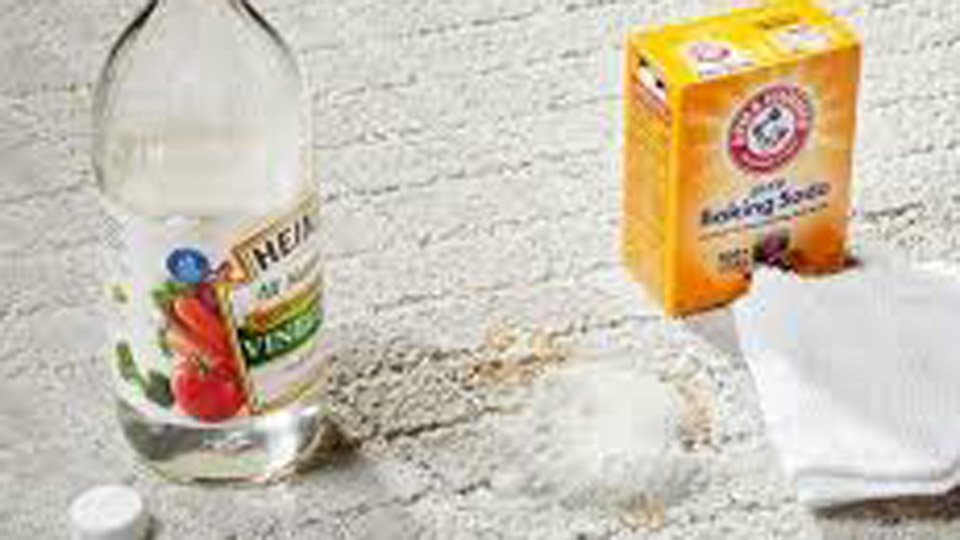
I’ve tried everything from store-bought concentrates to rented machines—and after more than a few muddy spills and pet stains—I finally discovered how simple and effective homemade carpet cleaner can be when used in a machine.
It’s not rocket science: a mix of vinegar, baking soda, a touch of dish soap or hydrogen peroxide, and hot water turned out to be gentler on my carpets, safer for my family, and surprisingly powerful at lifting grime and odors.
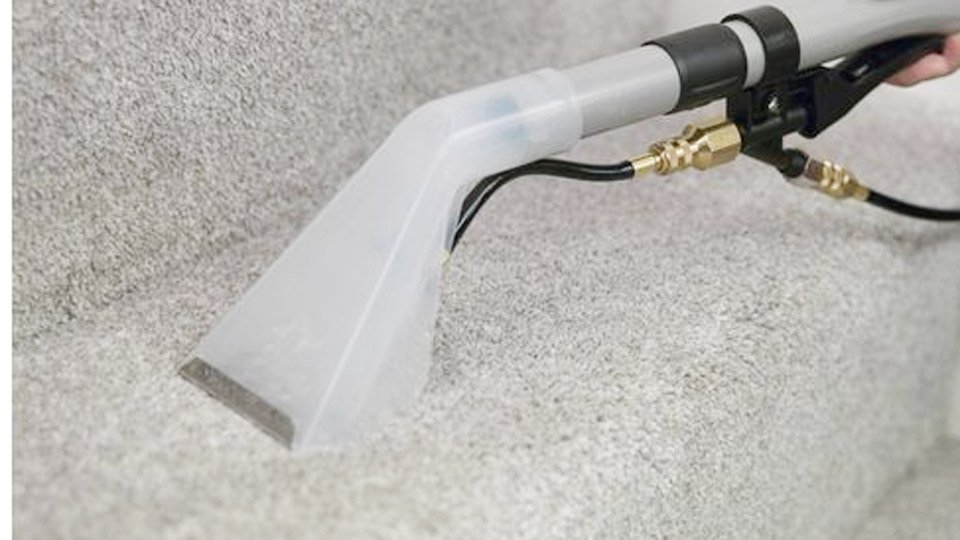
Image by currys
I’ll share the exact recipes I’ve relied on—whether it’s a basic vinegar-and-soda blend for deep cleaning or a hydrogen-peroxide soap mix for tough spots—and walk you through how to safely use each in your carpet shampooer. No harsh chemicals, no heavy expense—just cleaner, fresher carpets using ingredients you already have at home.
Why Homemade Carpet Cleaner Is a Game-Changer
Carpets take a beating—pet accidents, juice spills, muddy footprints. I’ve dealt with them all in my home. Homemade carpet cleaner for machines is a lifesaver because it’s affordable, eco-friendly, and safe for kids and pets. Plus, you likely have the ingredients in your pantry already. I love the satisfaction of mixing a solution that tackles stains and odors without the harsh fumes of commercial products. But it’s not just about tossing ingredients together—there’s a knack to making it work with your carpet cleaning machine.
Understanding Carpet Cleaning Machines
Carpet cleaning machines, like Bissell or Rug Doctor, use hot water and suction to lift dirt and stains. I’ve used both a rented Rug Doctor and my own Bissell for years. The key is using a low-sudsing solution to avoid clogging the machine or leaving residue. High-suds cleaners, like regular dish soap, can damage your machine, as I learned after a foamy mishap that took hours to clean up. Homemade solutions need to be gentle yet effective, and I’ll show you how to get it right.
Safety First: Protecting Your Carpet and Machine
Before you start, check your carpet’s care label or manufacturer’s guidelines. Some carpets, like wool, are sensitive to certain cleaners. I always test my solution on a hidden spot, like under a couch, to avoid discoloration. Never use bleach in a carpet cleaner—it can ruin fibers and machine seals. Ventilate the room, wear gloves if you have sensitive skin, and keep kids and pets away while cleaning. I keep a spray bottle of water handy for quick rinses if I spill.
My Favorite Homemade Carpet Cleaner Recipes
Here are two recipes I swear by—one for general cleaning and one for tough stains. Both are safe for most carpet cleaning machines and carpets, based on my experience with nylon and polyester carpets.
General Cleaning Solution
This recipe is perfect for regular maintenance or light stains. It’s gentle, smells great, and keeps your machine happy.
Ingredients
| Ingredient | Purpose | Alternative |
|---|---|---|
| 1 cup white vinegar | Breaks down dirt, deodorizes | Apple cider vinegar (less effective) |
| 1 cup warm water | Dilutes solution, activates cleaning | Hot water (not boiling) |
| 1 tablespoon low-suds dish soap | Lifts grease and stains | Castile soap (gentle, natural) |
| 5 drops essential oil (optional) | Adds pleasant scent | Lemon or tea tree oil |
I use Dawn Ultra for dish soap because it’s low-sudsing and cuts grease like nobody’s business. For essential oils, lavender or lemon keeps things fresh without being overpowering.
How to Make It
- Mix 1 cup white vinegar and 1 cup warm water in a bowl.
- Add 1 tablespoon of low-suds dish soap and stir gently to avoid bubbles.
- Add 5 drops of essential oil if you want a scent.
- Pour the mix into your machine’s tank, following its fill line instructions.
- Top off with warm water as needed per your machine’s manual.
Time Estimate
Mixing takes 5 minutes. Cleaning a medium-sized room (about 200 square feet) takes 30–45 minutes, depending on your machine and carpet condition.
Tough Stain Solution
For pet stains, wine spills, or ground-in dirt, this recipe packs a punch. I used it to save my living room carpet after my dog had an accident.
Ingredients
| Ingredient | Purpose | Alternative |
|---|---|---|
| 1 cup white vinegar | Dissolves stains, neutralizes odors | Hydrogen peroxide (3% solution) |
| 1/2 cup warm water | Dilutes for machine use | Hot water (not boiling) |
| 2 tablespoons baking soda | Deodorizes, lifts stains | Washing soda (stronger, test first) |
| 1 teaspoon low-suds dish soap | Breaks down grease | Castile soap |
Baking soda is key for odors, but don’t add it directly to your machine—it can clog. Mix it separately and use it as a pre-treatment.
How to Make It
- Combine 1 cup white vinegar, 1/2 cup warm water, and 1 teaspoon dish soap in a spray bottle.
- Shake gently to mix without creating foam.
- Sprinkle baking soda on the stain, then spray the solution over it. You’ll see a fizzing reaction—that’s normal.
- Let it sit for 10 minutes, then blot with a clean cloth.
- Fill your machine’s tank with the remaining vinegar-water-soap mix, diluted per your machine’s instructions.
Time Estimate
Pre-treating stains takes 15 minutes per spot. Cleaning a room takes 30–45 minutes, plus drying time (4–6 hours with good ventilation).
Dos and Don’ts
Do:
- Test solutions on a small, hidden area first.
- Use warm water (100–110°F) to activate cleaning agents.
- Vacuum thoroughly before cleaning to remove loose dirt.
- Ventilate the room to speed up drying and avoid mold.
Don’ts:
- Use bleach or fabric softener—they can damage carpets and machines.
- Overfill your machine’s tank; follow the fill line.
- Mix baking soda directly in the machine’s tank—it can clog.
- Use boiling water; it can set protein-based stains like blood.
Step-by-Step Guide to Using Homemade Carpet Cleaner
Here’s how I clean my carpets with a machine, based on years of trial and error. This works for both recipes above.
Prep Your Space
Clear the room of furniture or move it to one side. I vacuum twice—once for surface dirt and again for deeper debris. This prevents the machine from sucking up loose particles that could clog it. Open windows or turn on a fan for ventilation. I once skipped this and ended up with a headache from the vinegar smell.
Test Your Solution
Apply a small amount of your homemade cleaner to a hidden carpet area. Let it sit for 10 minutes, then blot with a white cloth. Check for color fading or damage. I learned this after a too-strong mix lightened a patch of my old carpet.
Pre-Treat Stains
For tough stains, use the tough stain solution. Sprinkle baking soda on the stain, spray the vinegar-soap mix, and let it fizz for 10 minutes. Blot with a clean cloth. I’ve saved countless carpets this way, especially after my kids spilled juice. For light stains, just spray the general cleaning solution and blot.
Fill and Run the Machine
Pour your homemade solution into the machine’s tank, following its dilution instructions (usually 1/4 cup solution per gallon of water). Start at the far corner of the room and work toward the door. I go slowly, making overlapping passes to ensure even cleaning. For my Bissell, I use the “clean” setting for deep stains and “rinse” for a final pass.
Rinse and Extract
Some machines have a rinse mode—use it with plain water to remove any residue. If not, go over the carpet with a tank of clean water. I’ve found this step prevents that “crunchy” feel some carpets get after cleaning. Empty the dirty water tank as needed; you’ll be shocked at how gross it looks!
Dry the Carpet
Let the carpet air-dry, ideally with windows open or fans running. It takes 4–6 hours in my experience. Avoid walking on it until it’s fully dry to prevent re-soiling. I once stepped on a damp carpet and left muddy footprints—lesson learned.
Time Estimate
Prepping and cleaning a medium room takes about 1–1.5 hours, including pre-treatment. Drying takes 4–6 hours, depending on ventilation and humidity.
Best Practices for Different Carpet Types
Not all carpets are the same. Here’s how I adjust my approach based on my experience with various fibers.
Nylon and Polyester Carpets
These synthetic fibers are durable and bleach-safe, but I stick to my vinegar-based recipes. The general cleaning solution works great for regular maintenance. For stains, pre-treat with the tough stain mix. I’ve cleaned my nylon living room carpet monthly with no issues.
Wool Carpets
Wool is delicate and sensitive to acidic solutions like vinegar. I use a milder mix (1/2 cup vinegar, 1 cup water, 1 teaspoon castile soap) and test thoroughly. Avoid over-wetting, as wool takes longer to dry and can mildew. I learned this after over-soaking a wool rug and spending days airing it out.
Berber or Low-Pile Carpets
Berber carpets are prone to snagging, so I use a gentle touch and avoid harsh scrubbing. The general cleaning solution is enough for most stains. Vacuum thoroughly afterward to restore the pile. I’ve found low-pile carpets dry faster—about 3–4 hours.
Natural Alternatives to Store-Bought Cleaners
If you want to go even greener, try these alternatives I’ve tested. Hydrogen peroxide (3% solution) is great for light stains—mix 1/4 cup with 1 cup water and a drop of dish soap. It’s gentler than vinegar but less effective on heavy stains. Baking soda alone can deodorize; sprinkle it on, let it sit for 15 minutes, and vacuum. For tough odors, I mist with a vinegar-water mix after vacuuming.
| Cleaner | Best For | Pros | Cons |
|---|---|---|---|
| Vinegar + Dish Soap | General cleaning, stains | Cheap, effective | Strong smell |
| Hydrogen Peroxide | Light stains, disinfecting | Gentle, eco-friendly | Weaker on tough stains |
| Baking Soda | Odors, light stains | Natural, safe | Needs vacuuming |
| Store-Bought Solution | Heavy stains, convenience | Strong, ready-to-use | Expensive, chemical-heavy |
Pro Tips from My Cleaning Journey
- Vacuum First: Always vacuum twice to remove loose dirt. It makes the machine’s job easier.
- Use Warm Water: It activates cleaners better than cold water but avoids boiling water to prevent setting stains.
- Don’t Over-Wet: Too much water leads to mold. I wring out my machine’s brush if it feels too soggy.
- Check Your Machine’s Manual: Some warranties require specific cleaners. I ignored this once and voided a warranty.
- Spot Clean Regularly: I treat spills immediately to prevent them from setting, saving time on deep cleans.
Common Mistakes to Avoid
I’ve made plenty of cleaning blunders, so here’s what to watch out for:
- Using Too Much Soap: It creates foam that clogs machines. Stick to low-suds dish soap.
- Skipping the Test: Always test to avoid ruining your carpet’s color or texture.
- Overloading the Tank: Follow your machine’s fill line to avoid leaks or damage.
- Ignoring Drying Time: Walking on wet carpets re-soils them. I’ve ruined a clean carpet this way.
Maintaining Your Carpets Long-Term
To keep carpets fresh, I vacuum weekly and spot-clean spills immediately. Doormats at entrances cut down on dirt, and I ask guests to remove shoes. For high-traffic areas, I deep-clean every 3–6 months. Applying a carpet protector like Scotchgard after cleaning helps repel stains. I also air out rooms regularly to prevent odors.
Conclusion: Fresh Carpets, Happy Home
Making your own carpet cleaner for a machine is easier than you think, and the results are so rewarding. I love seeing my carpets go from dingy to vibrant with ingredients I already have at home. It’s budget-friendly, eco-friendly, and safe for my family. Start with a small area, like a hallway, to get the hang of it. With a little prep and care, your carpets will look and smell amazing. Grab your machine, mix up a batch, and enjoy a cleaner home—you’ve got this!
FAQ
Can you make a carpet cleaning solution at home that’s safe for machines?
Yes, you can make a homemade carpet cleaner for machines that’s safe and effective. I mix 1 cup white vinegar, 1 cup warm water, and 1 tablespoon low-suds dish soap like Dawn Ultra. It cleans well without clogging the machine. Test it on a hidden carpet spot first to ensure it’s safe for your fibers. Avoid high-suds soaps or bleach—they can damage your machine or carpet.
How do you clean tough carpet stains with a homemade solution?
For tough stains like pet messes or wine, I use a mix of 1 cup white vinegar, 1/2 cup warm water, and 1 teaspoon low-suds dish soap, with baking soda as a pre-treatment. Sprinkle baking soda on the stain, spray the solution, and let it fizz for 10 minutes. Blot, then clean with your machine. It’s worked wonders on my carpets, but always test first.
Is homemade carpet cleaner better than store-bought?
Homemade carpet cleaner can be just as effective as store-bought for most stains and is much cheaper. I spend about $1 per gallon using vinegar and dish soap, compared to $10–$20 for commercial solutions. It’s also eco-friendly and safer for kids and pets. However, for very deep stains, a professional-grade cleaner might work faster. I use homemade for regular cleaning and love the results.
Can I use vinegar in my carpet cleaning machine?
Vinegar is great in carpet cleaning machines if diluted properly—1 cup vinegar to 1 cup water with a bit of dish soap. I’ve used it for years on my Bissell without issues. It tackles stains and odors well but test on a small area first, especially on wool carpets, as vinegar can be too acidic for some fibers.
How often should I use a homemade carpet cleaner in my machine?
I deep-clean my carpets with a homemade solution every 3–6 months, depending on traffic. For high-traffic areas like my living room, I do it quarterly. Spot-clean stains as they happen to prevent setting. Vacuum weekly and use doormats to reduce dirt. This keeps my carpets fresh without overusing the machine.