After a busy weekend of guests and a rather unfortunate coffee spill, my once-pristine living room carpet looked like it had survived a small disaster. I didn’t want to spend a fortune on store-bought solutions full of harsh chemicals, so I decided to whip up my own homemade carpet cleaner for steam cleaner use — and let me tell you, it worked wonders.
Whether you’re dealing with stubborn stain removal, deep cleaning after a hectic week, or simply want an eco-friendly solution that’s safe for kids and pets, making your own cleaner is a game-changer.
Store-bought formulas can be pricey and often leave behind strong chemical odors, but with a DIY mix, you can refresh your carpets, improve indoor air quality, and keep your home looking and feeling fresh. In this guide, I’ll share my go-to recipe and proven tips so you can tackle carpet cleaning like a pro, without breaking the bank.
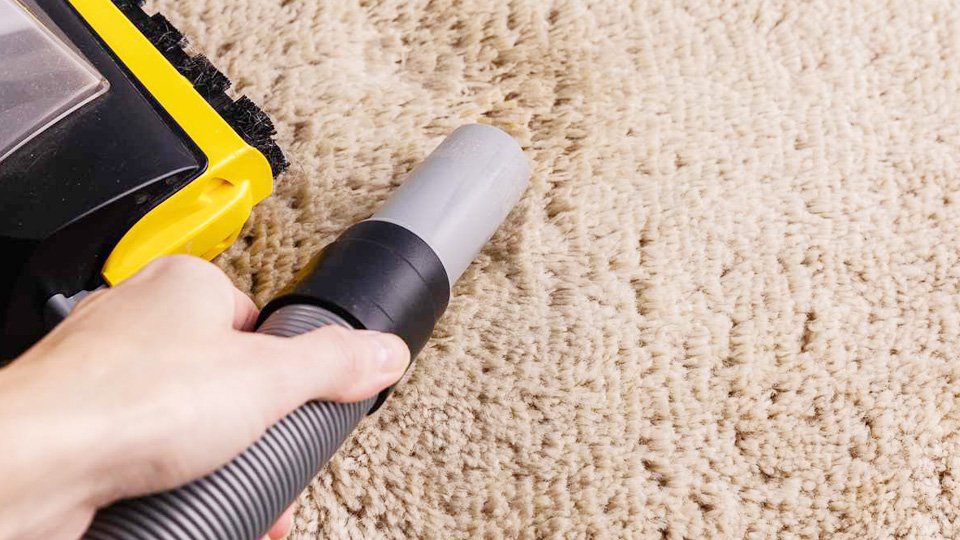
Photo by thespruce
Carpets are a magnet for messes, especially in busy homes with kids, pets, or frequent guests. A good steam cleaner paired with the right homemade solution can lift stains, remove odors, and keep your carpets looking fresh without exposing your family to toxic fumes. Plus, making your own cleaner is budget-friendly and lets you control what goes into it. Below, I’ll share my favorite recipes, step-by-step instructions, and tips to ensure your carpets stay spotless and your home stays safe.
Why Homemade Carpet Cleaners Matter for Your Home
Carpets do more than just make your home cozy—they trap dirt, allergens, and bacteria that can affect your family’s health. For parents like me, keeping carpets clean is about more than aesthetics; it’s about creating a safe space for my kids to play. Store-bought cleaners often contain harsh chemicals that can irritate skin, trigger allergies, or linger in the air. Homemade carpet cleaners let you avoid these risks while still getting professional-level results. Plus, they’re eco-friendly and cost just pennies compared to commercial products.
Using a steam cleaner with a homemade solution is a game-changer because the heat and suction work together to deep-clean fibers without leaving residue. Whether you’re dealing with pet stains, food spills, or years of built-up grime, these solutions are designed to tackle tough messes while being gentle on your carpets and your wallet.
Choosing the Right Ingredients for Your Homemade Carpet Cleaner
Before we get to the recipes, let’s talk about the ingredients you’ll need. Most of these are probably already in your pantry, making this an easy and affordable project. Here’s what I use and why each ingredient works:
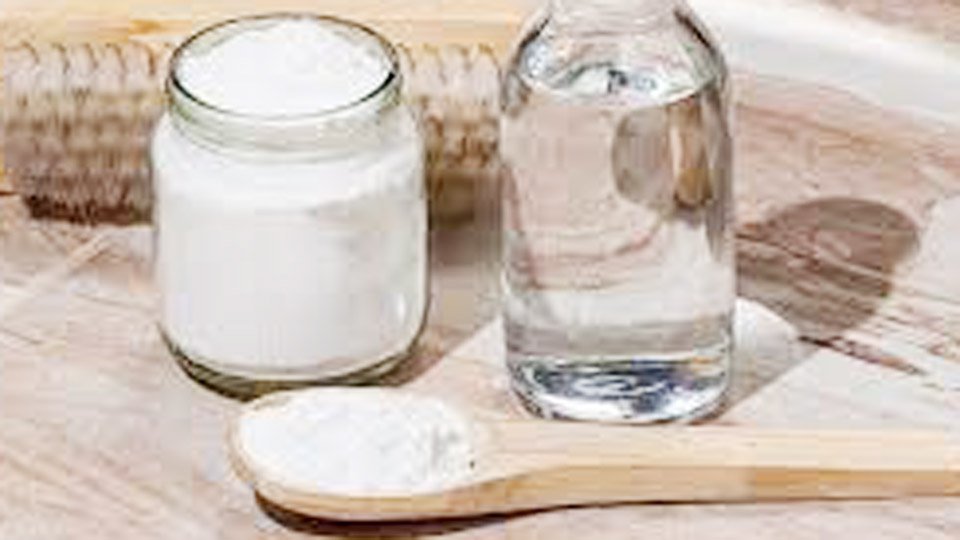
White Vinegar: A natural disinfectant and deodorizer, vinegar breaks down stains and neutralizes odors. It’s safe for most carpets but always test it first.
Baking Soda: This powerhouse absorbs odors and lifts stains. It’s gentle but effective, especially for greasy messes.
Dish Soap (Mild, like Dawn): Cuts through grease and grime without leaving a soapy residue. Avoid colored soaps to prevent dyeing your carpet.
Hydrogen Peroxide (3%): Great for tough stains like blood or wine. Use sparingly and test on a small area, as it can bleach some fabrics.
Essential Oils (Optional): Add a fresh scent like lavender or tea tree oil, which also has antibacterial properties. Use only a few drops to avoid overwhelming your steam cleaner.
Safety Warning: Never mix vinegar with hydrogen peroxide or bleach, as this can create harmful gases. Always combine ingredients carefully and follow recipes exactly.
My Go-To Homemade Carpet Cleaner Recipes for Steam Cleaners
Here are three tried-and-true recipes I’ve used in my own home. Each is tailored for different cleaning needs, from everyday refreshers to stubborn stain removers. Always check your steam cleaner’s manual to ensure your model can handle homemade solutions—most can, but it’s good to confirm.
Everyday Freshening Solution
This recipe is perfect for regular maintenance to keep your carpets smelling fresh and looking clean. It’s ideal for high-traffic areas like living rooms or hallways.
Ingredients:
- 1 gallon hot water (not boiling)
- 1 cup white vinegar
- 1 tablespoon mild dish soap
- 5 drops lavender or lemon essential oil (optional)
Steps:
- Fill your steam cleaner’s tank with hot water.
- Add the vinegar and dish soap, then gently stir to combine.
- If using essential oils, add them last to avoid foaming.
- Test the solution on a small, hidden area of your carpet to ensure colorfastness.
- Load the solution into your steam cleaner and follow the manufacturer’s instructions for cleaning.
Tip: Use this solution once a month to prevent dirt buildup. It’s gentle enough for frequent use and leaves your home smelling clean.
Deep-Cleaning Stain Remover
For tougher stains like pet accidents, coffee, or mud, this recipe packs a punch. It’s my go-to for those “oh no” moments.
Ingredients:
- 1 gallon hot water
- 2 cups white vinegar
- 2 tablespoons baking soda (added separately)
- 1 tablespoon mild dish soap
Steps:
- Sprinkle baking soda directly onto the stained area and let it sit for 10 minutes to absorb odors and loosen grime.
- Vacuum the baking soda thoroughly.
- Mix hot water, vinegar, and dish soap in a separate container.
- Pour the solution into your steam cleaner’s tank.
- Steam clean the stained area, focusing on slow, overlapping passes to lift the stain.
- Let the carpet air-dry completely before walking on it.
Safety Warning: Don’t add baking soda directly to the vinegar mixture, as it can cause fizzing that might clog your steam cleaner. Apply baking soda to the carpet first, then vacuum.
Tough Stain Spot Treatment
For stubborn stains like red wine or ink, this hydrogen peroxide-based solution is a lifesaver. Use it sparingly and only on light-colored carpets to avoid bleaching.
Ingredients:
- 1 cup hot water
- ½ cup 3% hydrogen peroxide
- 1 teaspoon mild dish soap
Steps:
- Mix the ingredients in a spray bottle.
- Spray the solution directly onto the stain and let it sit for 5 minutes.
- Blot (don’t rub!) the area with a clean, white cloth to lift the stain.
- Fill your steam cleaner with plain hot water and clean the treated area to remove any residue.
- Allow the carpet to dry fully.
Tip: Always test this solution on an inconspicuous area first, as hydrogen peroxide can lighten some carpets. Avoid using it on wool or delicate fibers.
Step-by-Step Guide to Using Your Steam Cleaner with Homemade Solutions
Using a steam cleaner with a homemade solution is straightforward, but a few tips can make the process smoother and more effective. Here’s how I do it:
Vacuum First: Always vacuum your carpet thoroughly to remove loose dirt and debris. This prevents your steam cleaner from pushing around grit that can damage fibers.
Test for Colorfastness: Before using any solution, test it on a hidden area like under furniture. Wait 10 minutes to ensure no discoloration occurs.
Fill the Tank: Pour your homemade solution into the steam cleaner’s tank, following the manufacturer’s guidelines for water-to-solution ratios.
Work in Sections: Divide your room into manageable sections (e.g., 4×4 feet). Clean slowly, making overlapping passes to ensure even coverage.
Rinse if Needed: For heavy stains or soapy solutions, run a second pass with plain hot water to remove residue.
Dry Thoroughly: Open windows, use fans, or turn on the AC to speed up drying. Avoid walking on the carpet until it’s completely dry to prevent re-soiling.
Pro Tip: If your steam cleaner has a “dry steam” setting, use it for the final pass to reduce moisture and speed up drying time.
Real-World Cleaning Scenarios and Solutions
Every home is different, so here are some common scenarios I’ve encountered and how these homemade solutions can help:
Pet Owners: My dog once had an accident on our dining room carpet, leaving a lingering odor. I used the deep-cleaning stain remover recipe, focusing extra steam on the spot. The vinegar neutralized the smell, and the carpet looked good as new.
Parents with Young Kids: Crayon marks and juice spills are a constant in my house. The everyday freshening solution works wonders for these light messes, and the essential oils make the room smell inviting for playdates.
Renters: When I rented an apartment, I needed to clean the carpets to get my deposit back. The tough stain spot treatment tackled old coffee stains left by the previous tenant, saving me from professional cleaning costs.
Allergy Sufferers: My husband has allergies, so we avoid chemical cleaners. The vinegar-based everyday solution keeps our carpets free of dust mites and allergens without triggering his symptoms.
Dos and Don’ts of Homemade Carpet Cleaning
To make sure your cleaning goes smoothly, here’s a quick checklist of best practices:
Do:
- Vacuum before steam cleaning to remove surface dirt.
- Test all solutions on a small area first.
- Use hot (not boiling) water for best results.
- Clean spills immediately to prevent stains from setting.
- Ensure proper ventilation to speed up drying.
Don’t:
- Over-wet the carpet, as this can lead to mold or mildew.
- Mix incompatible ingredients like vinegar and bleach.
- Use too much dish soap, which can leave residue.
- Skip the vacuuming step—it’s crucial for effective cleaning.
- Walk on wet carpets, as this can reintroduce dirt.
Tools and Accessories to Enhance Your Carpet Cleaning
While your steam cleaner and homemade solution are the stars of the show, a few extra tools can make the job easier:
- Spray Bottle: Perfect for applying spot treatments or pre-treating stains.
- Soft-Bristle Brush: Use to gently scrub stubborn stains before steaming.
- Microfiber Cloths: Ideal for blotting spills and wiping down your steam cleaner.
- Carpet Rake: Helps lift carpet fibers after cleaning for a fluffy, like-new look.
- Portable Fan: Speeds up drying to prevent mold and keep your carpet fresh.
I keep these in a cleaning caddy for quick access during my carpet-cleaning sessions. They’re affordable and make a big difference in the final result.
How Often Should You Steam Clean Your Carpets?
The frequency of steam cleaning depends on your household’s needs:
- High-Traffic Homes: Clean every 3–6 months to manage dirt from kids, pets, or guests.
- Allergy-Prone Households: Clean every 2–3 months to reduce allergens like dust mites.
- Low-Traffic Areas: Once or twice a year is usually enough for guest rooms or formal spaces.
For regular upkeep, use the everyday freshening solution. Save the deep-cleaning or spot-treatment recipes for specific messes or seasonal deep cleans.
Troubleshooting Common Carpet Cleaning Challenges
Even with the best homemade solutions, you might run into issues. Here’s how to handle them:
Lingering Odors: Sprinkle baking soda on the carpet, let it sit overnight, then vacuum before steam cleaning with the deep-cleaning solution.
Residue Left Behind: If your carpet feels sticky, you may have used too much dish soap. Run a rinse cycle with plain hot water.
Slow Drying: Use fans, open windows, or turn on a dehumidifier. Avoid over-saturating the carpet during cleaning.
Stubborn Stains: For tough marks, repeat the spot treatment and let the solution sit longer before steaming.
Keeping Your Steam Cleaner in Top Shape
Your steam cleaner is an investment, so treat it well to ensure it lasts. After each use:
- Empty and rinse the water tank to prevent mold.
- Clean the brushes or attachments with warm, soapy water.
- Check the manual for maintenance tips, like descaling with vinegar to remove mineral buildup.
- Store in a dry, cool place to avoid damage.
Motivational Conclusion
Making your own homemade carpet cleaner for your steam cleaner is more than just a cleaning hack—it’s a way to take control of your home’s health, appearance, and budget. These recipes have saved me countless times, from emergency spills to routine refreshes, and they’ve given me peace of mind knowing my kids and pets are safe from harsh chemicals. With just a few pantry staples, you can tackle any carpet mess, whether it’s a wine stain from a party or muddy paw prints from a rainy day. The best part? You’re saving money while keeping your home sparkling clean.
FAQ: Your Carpet Cleaning Questions Answered
Can I use homemade carpet cleaner in any steam cleaner?
Most steam cleaners are compatible with homemade solutions, but check your user manual first. Some models require specific solutions or warn against certain ingredients like vinegar. Always test the solution on a small area to ensure it’s safe for your carpet.
Is vinegar safe for all carpet types?
Vinegar is generally safe for synthetic carpets like nylon or polyester, but it can damage natural fibers like wool or silk. Test it on a hidden area and dilute it properly. If you’re unsure, consult a professional or your carpet’s care instructions.
How do I remove pet odors from my carpet?
Sprinkle baking soda on the affected area, let it sit for 10–15 minutes, then vacuum. Follow with the deep-cleaning stain remover recipe, focusing on the spot with slow steam cleaner passes. The vinegar will neutralize odors effectively.
What should I never mix with my homemade carpet cleaner?
Never mix vinegar with hydrogen peroxide or bleach, as this can create toxic gases. Stick to the recipes provided and avoid combining ingredients unless specified. Always store solutions separately to prevent accidental mixing.
How can I make my carpets dry faster after steam cleaning?
Use a fan, open windows, or run a dehumidifier to improve airflow. Avoid over-wetting the carpet by using the correct solution ratio and making dry passes with your steam cleaner. Wait until the carpet is fully dry before walking on it.