After spending way too much money on store-bought carpet cleaners that either left behind a strong chemical smell or didn’t clean as well as promised, I decided to try making my own homemade carpet cleaning solution. I was skeptical at first—how could baking soda and vinegar possibly compete with a name-brand cleaner? But once I saw the difference it made on a juice stain in my living room, I was hooked.
I’ve experimented with dozens of DIY mixtures for everything from pet accidents to mystery stains that appear out of nowhere. And not only have these homemade solutions saved me money, but they’ve also been safer for my kids and pets, and surprisingly more effective than many commercial options.
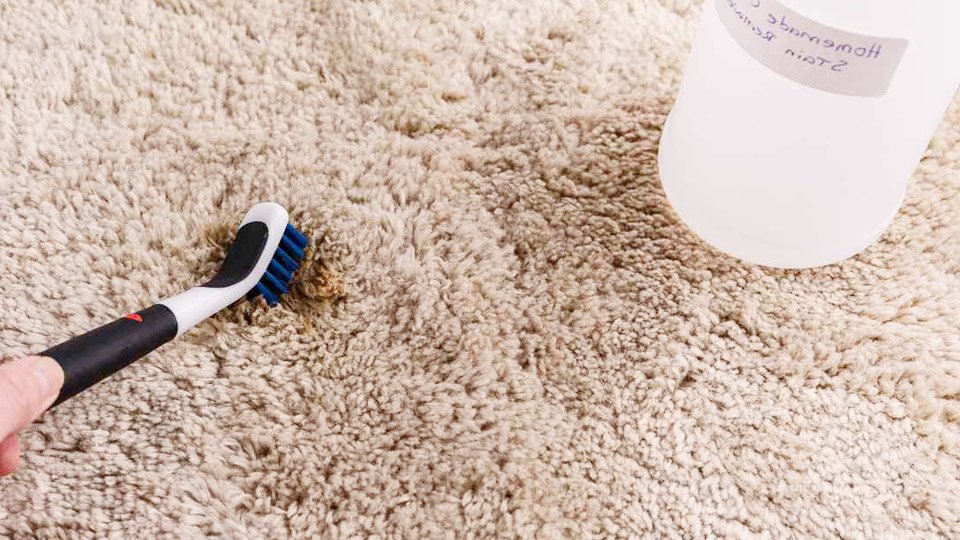
Image by thespruce
I’ll share the homemade carpet cleaning solutions that have worked best for me—simple recipes using ingredients you probably already have in your kitchen. Whether you’re spot-cleaning a spill or freshening up the whole carpet, these DIY options can leave your floors looking and smelling like new.
Why Homemade Carpet Cleaners Are a Game-Changer
Carpets take a beating—pet hair, food spills, and muddy footprints can make them look worn out fast. Store-bought cleaners are effective, but they’re often expensive and loaded with chemicals that leave a lingering smell. Homemade solutions, on the other hand, are affordable, eco-friendly, and gentle on your home.
I’ve used these recipes to revive everything from my beige living room carpet to a friend’s shag rug that survived a toddler’s juice spill. The key ingredients—like vinegar, baking soda, and dish soap—cut through stains, neutralize odors, and are safe for most carpets when used correctly.
Supplies You’ll Need
Before we get started, gather these basics. Most are probably already in your home:
| Item | Purpose |
|---|---|
| White distilled vinegar | Breaks down stains and neutralizes odors |
| Baking soda | Absorbs smells and lifts stains |
| Mild dish soap | Cuts through grease and dirt |
| Hydrogen peroxide (3%) | Tackles tough stains like wine or blood |
| Spray bottle | For applying solutions evenly |
| Microfiber cloths | For blotting and cleaning without streaks |
| Soft-bristled brush | For gentle scrubbing |
| Old towels | For absorbing excess liquid |
| Bucket | For mixing larger quantities |
| Vacuum cleaner | For pre-cleaning and post-cleaning |
Always test any solution on a small, hidden area of your carpet (like under furniture) to check for colorfastness. Check your carpet’s care label or manufacturer guidelines to ensure it’s safe for water-based cleaners.
Understanding Your Carpet Type
Not all carpets are the same, and knowing your carpet’s material helps you clean it safely. Here’s what I’ve learned from cleaning various carpets:
- Nylon/Polyester: Durable and stain-resistant, these handle water-based solutions like vinegar well.
- Wool: Delicate and prone to shrinking; use minimal liquid and avoid hot water.
- Olefin: Resistant to stains but can trap oils; dish soap solutions work great.
- Natural Fibers (Sisal, Jute): Avoid water-based cleaners; stick to dry methods or professional cleaning.
If you’re unsure about your carpet type, check the manufacturer’s tag or consult a professional. Most synthetic carpets are safe for the solutions below, but always test first.
All-Purpose Carpet Cleaning Solution
This is my go-to for everyday stains like dirt, food, or pet messes. It’s simple and works on most synthetic carpets.
How to Make and Use:
- Mix 1 cup warm water, 1 cup white vinegar, and 1 teaspoon mild dish soap in a spray bottle.
- Vacuum the carpet to remove loose dirt.
- Spray the solution lightly on the stained area. Don’t soak it—less is more.
- Let it sit for 5 minutes to loosen the stain.
- Blot with a microfiber cloth, working from the outside in to avoid spreading the stain.
- Sprinkle baking soda over the area to absorb odors. Let it sit for 2–4 hours.
- Vacuum up the baking soda.
Time Estimate: 15–20 minutes active time, plus 2–4 hours for odor absorption.
Do:
- Blot gently to lift the stain without damaging fibers.
- Use a fan to speed drying and prevent mold.
Don’t:
- Rub the stain—it can fray the carpet.
- Use on wool or natural fiber carpets without testing.
Add a drop of lavender essential oil to the mix for a fresh scent. It doesn’t affect cleaning power but makes the room smell great.
Deep-Cleaning Solution for Tough Stains
For stubborn stains like wine, coffee, or pet urine, this solution has saved my carpets more times than I can count.
How to Make and Use:
- Mix 1/2 cup 3% hydrogen peroxide, 1/2 cup warm water, and 1 teaspoon dish soap in a spray bottle.
- Vacuum the area to remove debris.
- Spray the stain and let it sit for 10 minutes to break down the mess.
- Blot with a microfiber cloth until the stain lifts. Repeat if needed.
- Make a paste with 1/4 cup baking soda and 2 tablespoons water. Apply to any remaining stain, scrub gently with a soft brush, and let it sit for 15 minutes.
- Wipe off the paste with a damp cloth, then blot dry.
- Sprinkle baking soda to absorb odors, let it sit overnight, and vacuum.
Time Estimate: 25–30 minutes active time, plus overnight for odor removal.
Do:
- Test hydrogen peroxide first—it can lighten dark carpets.
- Work patiently; tough stains may need multiple rounds.
Don’t:
- Use hot water—it can set stains like wine or blood.
- Over-wet the carpet, as it can lead to mildew.
For red wine, blot up as much as possible first, then pour a little club soda before applying the solution—it helps lift the stain faster.
Odor-Eliminating Solution for Pet Messes
Pet odors are the worst, especially in carpets. I learned this the hard way when my cat decided my rug was her new litter box. This solution tackles smells and light stains.
How to Make and Use:
- Mix 2 cups water, 1 cup white vinegar, and 1 tablespoon baking soda in a spray bottle. It’ll fizz—mix gently.
- Vacuum the carpet thoroughly.
- Spray the solution lightly over the affected area and let it sit for 10 minutes.
- Blot with a microfiber cloth until dry.
- For stubborn odors, apply an enzyme-based cleaner (available at pet stores). Follow the product instructions, usually letting it sit for 10–15 minutes before blotting.
- Finish with a light sprinkle of baking soda, let it sit for 4–6 hours, and vacuum.
Time Estimate: 20 minutes active time, plus drying.
Do:
- Use enzyme cleaners for pet urine—they break down odor-causing proteins.
- Ventilate the room to speed drying.
Don’t:
- Mix vinegar with bleach—it creates toxic fumes.
- Skip ventilation; damp carpets can get musty.
Place a bowl of activated charcoal near the carpet for a day to absorb lingering odors naturally.
Deep-Cleaning for High-Traffic Areas
High-traffic areas like hallways or living rooms need extra love. I use this solution for my entryway carpet, which gets pounded by muddy shoes.
How to Make and Use:
- Mix 1 gallon warm water, 1/2 cup white vinegar, and 1 tablespoon dish soap in a bucket.
- Vacuum the carpet to remove dirt.
- Dip a soft-bristled brush in the solution and scrub the carpet in small sections.
- Blot with old towels to absorb excess liquid.
- Sprinkle baking soda over the area, let it sit for 4–6 hours, and vacuum.
Time Estimate: 30–40 minutes for a small room, plus 4–6 hours for drying.
Do:
- Work in small sections for even cleaning.
- Use a fan to dry the carpet faster.
Don’t:
- Soak the carpet—it can damage the backing.
- Use on delicate carpets like wool without testing.
For extra freshness, add a few drops of tea tree oil to the mix—it has natural antibacterial properties.
Homemade Dry Carpet Cleaner
For delicate carpets or quick refreshes, a dry cleaner is a great option. I use this on my wool rug to avoid water damage.
How to Make and Use:
- Mix 1 cup baking soda with 10 drops of essential oil (like lavender or eucalyptus).
- Sprinkle the mixture evenly over the carpet.
- Let it sit for 1–2 hours to absorb odors and light dirt.
- Vacuum thoroughly with the upholstery attachment.
Time Estimate: 10 minutes active time, plus 1–2 hours waiting.
Do:
- Use on dry carpets only.
- Vacuum slowly to pick up all the powder.
Don’t:
- Use on wet carpets—it can clump and be hard to vacuum.
- Overdo the essential oil; a little goes a long way.
Store the mix in a sealed container and shake before each use to keep the scent even.
Choosing the Right Solution for Your Carpet
Here’s a quick guide to match solutions to common carpet issues:
| Issue | Best Solution | Key Ingredients |
|---|---|---|
| Everyday stains | All-purpose cleaner | Vinegar, water, dish soap |
| Tough stains (wine, blood) | Deep-cleaning solution | Hydrogen peroxide, water, dish soap |
| Pet odors | Odor-eliminating solution | Vinegar, baking soda, enzyme cleaner |
| High-traffic areas | Deep-cleaning bucket mix | Vinegar, water, dish soap |
| Delicate carpets | Dry cleaner | Baking soda, essential oil |
Safety Precautions and Common Mistakes
Homemade cleaners are safe when used correctly, but here are some tips to avoid trouble:
- Test First: Always test solutions on a hidden spot to check for color fading or damage.
- Don’t Over-Wet: Too much liquid can soak into the carpet padding, causing mold. Use sprays or damp cloths.
- Avoid Harsh Mixing: Never mix vinegar with bleach—it creates toxic chlorine gas.
- Ventilate: Open windows or use a fan to prevent musty odors during drying.
- Check Carpet Type: Wool and natural fibers are sensitive to water—use dry methods or minimal liquid.
Maintaining Your Carpet
Regular care prevents stains from setting in. Here’s my routine:
- Vacuum weekly to remove dirt and pet hair.
- Spot-clean spills immediately with a damp cloth and mild soap.
- Deep-clean high-traffic areas every 3–6 months.
- Use a carpet protector spray (safe for your carpet type) to repel future stains.
Time Estimate: 10–15 minutes weekly, 1–2 hours for deep cleaning.
Place doormats at entrances to catch dirt before it hits your carpet.
My Experience with Homemade Cleaners
I’ve been making homemade carpet cleaners for years, ever since I realized how much I was spending on store-bought sprays. One memorable moment was when my toddler spilled grape juice on our light gray carpet. I thought it was a goner, but the hydrogen peroxide solution worked like magic.
These recipes have saved my carpets from countless messes, and they’ve helped friends and neighbors too. They’re simple, effective, and make you feel like a cleaning superhero without breaking the bank.
Conclusion
Making homemade carpet cleaning solutions is easier than you think, and the results are just as good as commercial products—sometimes better. With ingredients like vinegar, baking soda, and dish soap, you can tackle stains, odors, and high-traffic areas without harsh chemicals. If you’re dealing with a pet accident or a coffee spill, these recipes—tested through years of cleaning—will keep your carpets fresh and vibrant.
FAQ
Can I Use Homemade Carpet Cleaners on Wool Carpets?
Wool carpets are delicate, so you need to be careful. I’ve used the dry baking soda cleaner with essential oils on my wool rug with great results—just sprinkle, wait, and vacuum.
For stains, test a diluted vinegar solution (1:3 water to vinegar) on a hidden spot first. Avoid soaking wool, as it can shrink or lose shape. If in doubt, stick to dry methods or consult a professional.
How Do I Remove Pet Odors from Carpets with Homemade Solutions?
Pet odors are tough, but my go-to is a mix of 2 cups water, 1 cup vinegar, and 1 tablespoon baking soda. Spray it on, let it sit for 10 minutes, and blot dry. Follow with baking soda, leave it overnight, and vacuum. For stubborn smells, an enzyme cleaner might be needed to break down pet urine proteins. Ventilate the room to keep things fresh.
Is Hydrogen Peroxide Safe for All Carpets?
Hydrogen peroxide is great for tough stains like wine, but it can lighten dark or delicate carpets. I always test it on a hidden spot first. Mix 1/2 cup 3% peroxide with 1/2 cup water and a drop of dish soap, then apply sparingly. It’s worked wonders on my nylon carpet, but avoid it on wool or if your carpet’s care label says “S” or “X.”
How Often Should I Deep-Clean My Carpets at Home?
I deep-clean my high-traffic carpets every 3–6 months, depending on foot traffic and pet activity. Use the bucket mix of 1 gallon water, 1/2 cup vinegar, and 1 tablespoon dish soap for a thorough clean. Spot-clean spills immediately to prevent stains from setting. Regular vacuuming weekly keeps dirt at bay and makes deep cleaning easier.
Can Homemade Solutions Work in a Carpet Cleaning Machine?
Yes, some homemade solutions work in carpet cleaning machines! I use the all-purpose mix (1 cup water, 1 cup vinegar, 1 teaspoon dish soap) in my machine for synthetic carpets.
Dilute it further (1:4 water to solution) to avoid foaming. Check your machine’s manual first, and don’t use baking soda or hydrogen peroxide in machines—they can clog or damage parts.