I walked into my kitchen after dinner and instantly regretted it—greasy countertops, little splatters around the stove, and that stubborn sticky spot I kept putting off. Sound familiar? A messy kitchen doesn’t just look bad; it can quickly turn into a breeding ground for germs, and honestly, who wants to cook in that? That’s when I reminded myself of one of my favorite budget-friendly hacks: vinegar. If you’ve ever wondered How to Make Kitchen Cleaner with Vinegar?, you’re in the right place. I’ve tried it countless times, and trust me—it’s simple, safe, and surprisingly effective.
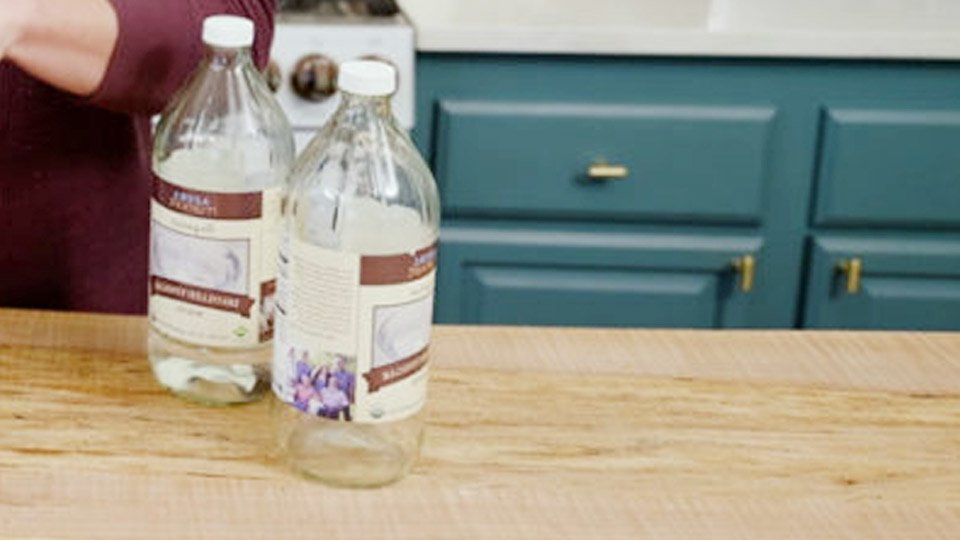
Image by melissaknorris
Why Vinegar Is a Kitchen Cleaning Superstar
What Is Vinegar and Why Use It for Cleaning?
Vinegar is a mild acid (usually acetic acid diluted in water) that’s been a cleaning staple for centuries. White distilled vinegar, apple cider vinegar, and cleaning vinegar (with higher acidity) are the most common types for household use. I stick with white vinegar for most kitchen tasks—it’s cheap, versatile, and widely available at any US grocery store for about $2–$3 a gallon.
Vinegar’s magic lies in its ability to dissolve grease, remove mineral deposits, and kill some bacteria and mold. It’s a natural deodorizer, too, which is a lifesaver for funky fridge smells or garbage disposal odors. Unlike chemical cleaners, vinegar is non-toxic, safe around kids and pets (with proper use), and eco-friendly—no plastic bottles clogging landfills.
When and Why You Need a Vinegar-Based Cleaner
Kitchens are mess magnets. From greasy stovetops to sticky cabinet handles, daily cooking leaves behind grime that can harbor bacteria if ignored. Vinegar cleaners shine for:
- Daily upkeep: Wiping down counters, appliances, and sinks.
- Tough messes: Cutting through grease on range hoods or baked-on oven spills.
- Hygiene: Sanitizing surfaces like cutting boards (vinegar can kill E. coli and Salmonella when used correctly).
- Cost savings: A gallon of vinegar costs less than a single bottle of name-brand cleaner.
- Eco-conscious cleaning: Reducing reliance on harsh chemicals.
I’ve seen clients with asthma or allergies breathe easier (literally) when I switched their cleaning routines to vinegar-based solutions. It’s also a game-changer for renters who want to avoid damaging surfaces with abrasive chemicals.
Common Mistakes and How to Avoid Them
- Using too much vinegar: Full-strength vinegar can etch natural stone surfaces like granite or marble. Always dilute it for countertops.
- Mixing with bleach: This is a big no-no—it creates toxic chlorine gas. Stick to one cleaner at a time.
- Skipping ventilation: Vinegar’s smell is strong. Open a window or turn on the range hood while cleaning.
- Not testing first: Always spot-test on delicate surfaces like wood or specialty finishes.
Pro Tip
Keep a spray bottle of diluted vinegar under your sink for quick cleanups. It’s my go-to for wiping down counters after dinner prep—fast, effective, and no rinsing needed.
How to Make a Basic Vinegar Kitchen Cleaner
What Is It?
This is the simplest vinegar-based cleaner you’ll ever make—a 50/50 mix of white vinegar and water. It’s perfect for daily kitchen maintenance, from counters to appliances. I’ve used this recipe in countless homes, and it’s a staple in my cleaning kit.
Why and When It’s Needed
Use this cleaner for:
- Wiping down countertops, sinks, and faucets.
- Cleaning stainless steel appliances (no streaks!).
- Tackling light grease on stovetops or microwave interiors.
- Deodorizing trash cans or cutting boards.
It’s ideal for busy families who need a quick, safe solution or renters who want something gentle on apartment surfaces.
Step-by-Step Process
- Gather supplies: You’ll need white distilled vinegar, water, a clean spray bottle (glass or plastic), a funnel, and a measuring cup.
- Mix the solution: Combine equal parts vinegar and water (e.g., 1 cup vinegar + 1 cup water). For a standard 16-ounce spray bottle, use 8 ounces of each.
- Funnel it in: Pour the mixture into the spray bottle using a funnel to avoid spills.
- Shake gently: Give the bottle a light shake to mix.
- Label it: Write “Vinegar Cleaner” on the bottle with a permanent marker to avoid confusion.
- Use it: Spray on surfaces, let sit for 30 seconds for sanitizing, then wipe with a microfiber cloth.
Common Mistakes and How to Avoid Them
- Using dirty bottles: Always clean and dry your spray bottle before refilling to prevent mold or bacteria buildup.
- Over-spraying: A light mist is enough—don’t soak surfaces, especially wood or laminate.
- Not wiping dry: Leaving the solution on surfaces can cause water spots. Always follow with a dry cloth.
Pro Tip
Add a drop of dish soap to the mix for extra grease-cutting power. I learned this trick when tackling a client’s splattered stovetop after a fried chicken night—worked like a charm.
Making a Heavy-Duty Vinegar Cleaner for Grease and Grime
What Is It?
This is a souped-up version of the basic cleaner, combining vinegar, dish soap, and optional essential oils for tougher kitchen messes. It’s my go-to for stovetops, range hoods, and sticky cabinet doors.
Why and When It’s Needed
Grease is the kitchen’s archenemy. Whether it’s oil splatter from frying bacon or fingerprints on cabinet handles, this cleaner cuts through without elbow grease. Use it:
- Weekly for deep-cleaning appliances.
- After cooking greasy meals.
- To refresh neglected areas like range hood filters.
Step-by-Step Process
- Gather supplies: White vinegar, water, liquid dish soap (Dawn works great), optional essential oils (lemon or tea tree for fragrance), a spray bottle, and a funnel.
- Mix the solution: Combine 1 cup vinegar, 1 cup water, and 1 teaspoon dish soap. For scent, add 5–10 drops of essential oil.
- Funnel into bottle: Pour carefully to avoid bubbles from the soap.
- Shake well: Mix until the soap is fully blended.
- Apply: Spray on greasy surfaces, let sit for 1–2 minutes, then wipe with a damp microfiber cloth.
- Rinse if needed: For sticky residues, follow with a water-dampened cloth.
Common Mistakes and How to Avoid Them
- Using too much soap: Excess soap leaves streaks. Stick to a small amount.
- Skipping the wait time: Let the solution sit to break down grease—patience pays off.
- Using on non-greasy surfaces: This mix is overkill for light cleaning. Save it for tough jobs.
Pro Tip
For stubborn grease, warm the vinegar slightly (not boiling!) before mixing. I discovered this when a client’s range hood was caked with months of cooking grease—warm vinegar dissolved it in half the time.
Cleaning Specific Kitchen Surfaces with Vinegar
Countertops: Quartz, Laminate, and More
What Is It?
Countertops are the kitchen’s workhorses, enduring spills, crumbs, and sticky messes. A vinegar cleaner works on most surfaces (except natural stone—more on that later).
Why and When It’s Needed
Daily wiping prevents bacteria buildup, especially after prepping raw meat or veggies. Vinegar’s acidity sanitizes without damaging most countertop materials.
Step-by-Step Process
- Check your surface: Quartz, laminate, and sealed butcher block are vinegar-safe. Avoid on granite or marble.
- Spray lightly: Use the basic 50/50 vinegar-water mix.
- Wipe with microfiber: Circular motions work best to lift grime.
- Dry immediately: Prevent water spots with a dry cloth.
Common Mistakes
- Using on stone: Vinegar’s acid can etch granite or marble. Use a pH-neutral cleaner instead.
- Not diluting: Full-strength vinegar is too harsh for daily use.
Pro Tip
For stubborn stains (like coffee rings), let the vinegar sit for 5 minutes before wiping. I once saved a client’s white quartz counter from a red wine spill this way.
Stainless Steel Appliances
What Is It?
Stainless steel fridges, ovens, and dishwashers look sleek but show every fingerprint. Vinegar polishes them to a streak-free shine.
Why and When It’s Needed
Fingerprints and smudges are inevitable, especially in homes with kids. Weekly cleaning keeps appliances looking new and hygienic.
Step-by-Step Process
- Spray the basic mix: Mist lightly on the surface.
- Wipe with grain: Follow the steel’s grain (usually horizontal or vertical) with a microfiber cloth.
- Buff dry: Use a clean, dry microfiber for a polished finish.
- Optional polish: Dab a tiny amount of olive oil on a cloth for extra shine.
Common Mistakes
- Using abrasive cloths: Paper towels or rough sponges can scratch stainless steel.
- Overusing oil: Too much leaves a greasy film.
Pro Tip
For tough smudges, dip your cloth in undiluted vinegar, then follow with the basic mix. I used this on a client’s fridge covered in toddler handprints—spotless in minutes.
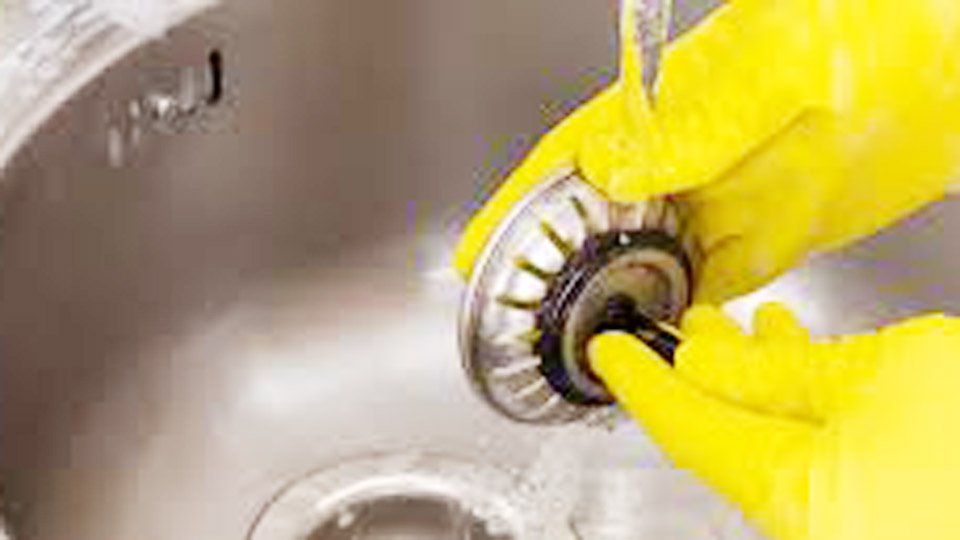
Sinks and Faucets
What Is It?
Kitchen sinks and faucets collect water spots, soap scum, and food residue. Vinegar dissolves mineral deposits for a sparkling finish.
Why and When It’s Needed
Hard water stains and grease buildup make sinks look dingy. Clean weekly or after heavy use (like holiday cooking).
Step-by-Step Process
- Clear the sink: Remove dishes and debris.
- Soak a cloth: Use undiluted vinegar for tough stains or a 50/50 mix for routine cleaning.
- Wrap faucets: Soak a vinegar-dampened cloth around the faucet base for 10 minutes to dissolve limescale.
- Scrub gently: Use a soft sponge or old toothbrush for crevices.
- Rinse and dry: Wipe with water, then dry to prevent spots.
Common Mistakes
- Skipping rinsing: Vinegar residue can attract dirt if not rinsed.
- Using steel wool: It scratches stainless steel sinks.
Pro Tip
For limescale buildup, soak a paper towel in vinegar, wrap it around the faucet, and secure it with a rubber band. I did this for a client’s calcified faucet, and it looked brand-new after 15 minutes.
Vinegar vs Store-Bought Cleaners
| Feature | Vinegar-Based Cleaner | Store-Bought Cleaner |
|---|---|---|
| Cost | ~$0.10 per batch (16 oz) | $3–$7 per bottle |
| Eco-Friendliness | Biodegradable, no plastic waste | Often contains chemicals, plastic packaging |
| Safety | Non-toxic, safe around kids/pets | May have harsh fumes, chemical risks |
| Effectiveness | Great for grease, stains, odors | Varies; some are less effective than vinegar |
| Versatility | Works on most surfaces (not stone) | Often surface-specific |
| Smell | Strong vinegar odor (temporary) | Often artificial fragrances |
Pros and Cons of Vinegar Cleaners
Pros:
- Affordable and accessible.
- Eco-friendly and safe for most households.
- Multi-purpose for various surfaces and messes.
Cons:
- Strong smell (though it dissipates quickly).
- Not safe for natural stone surfaces.
- May require slight elbow grease for tough stains.
Safety Precautions and Eco-Friendly Tips
Safety First
- Ventilation: Open windows or use a fan to disperse vinegar’s smell.
- Gloves: Wear them if you have sensitive skin or cuts—vinegar can sting.
- Child/Pet Safety: Store vinegar solutions out of reach. While non-toxic, kids might mistake it for juice.
- Never mix with bleach: I can’t stress this enough—it’s dangerous.
Eco-Friendly Options
- Reuse bottles: Repurpose old spray bottles to reduce waste.
- Buy in bulk: A gallon of vinegar lasts months and cuts down on packaging.
- Add essential oils: Lemon or lavender oils mask the vinegar smell while keeping things natural.
Anecdote
I once had a client whose toddler dumped an entire jar of spaghetti sauce on their white tile floor. Panicked, I grabbed my vinegar spray, let it sit for a minute, and wiped it clean—no stain, no stress. It’s moments like that when I’m reminded why I love vinegar’s simplicity.
Quick Fixes for Common Kitchen Messes
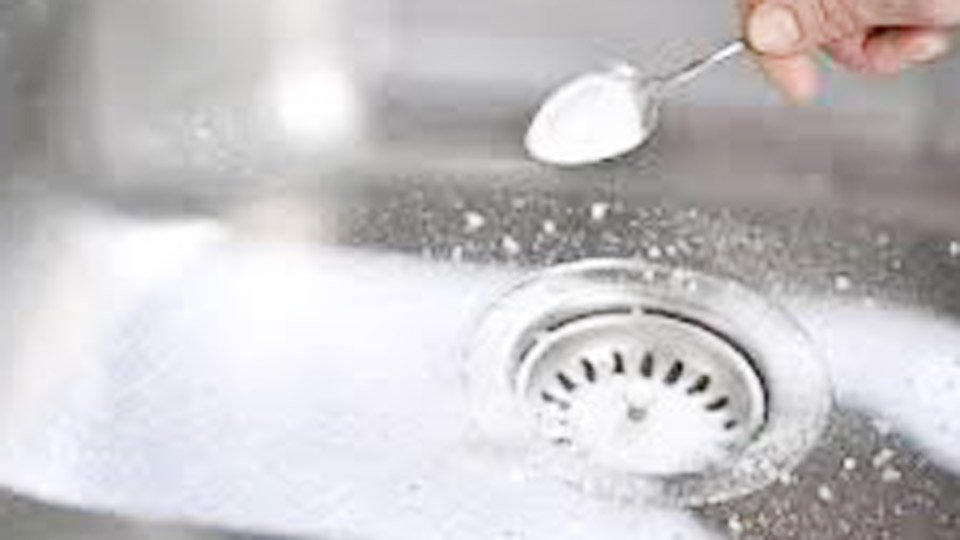
- Spilled oil on counters: Sprinkle baking soda, then spray with vinegar. The fizzing action lifts the grease.
- Burnt pots: Fill with equal parts vinegar and water, boil for 5 minutes, then scrub.
- Smelly fridge: Wipe shelves with a 50/50 vinegar mix, then leave an open bowl of vinegar inside for 24 hours.
Conclusion
Making a kitchen cleaner with vinegar is a game-changer for anyone who wants a clean, safe, and budget-friendly kitchen. With just a bottle of vinegar, water, and a few household items, you can tackle grease, stains, and odors like a pro. From daily countertop wipes to deep-cleaning stovetops, these recipes and techniques save time, money, and the environment.
My years of cleaning homes have taught me that vinegar’s simplicity is its strength—no fancy chemicals needed. Next time you’re facing a greasy mess or a smelly sink, reach for that vinegar bottle and clean smarter, not harder.
Keep a small spray bottle of the basic vinegar mix in your kitchen for quick cleanups—it’s like having a cleaning superhero on standby.
FAQ: Common Questions About Vinegar Kitchen Cleaners
Can I use vinegar to clean granite or marble countertops?
No, vinegar’s acidity can etch natural stone surfaces like granite or marble, causing dull spots or damage. Use a pH-neutral cleaner or soapy water instead. Always test on a small area if unsure.
How do I get rid of the vinegar smell after cleaning?
The vinegar smell fades naturally within minutes, but you can speed it up by opening windows or adding a few drops of lemon essential oil to your cleaner. I’ve found a quick rinse with water helps, too.
Is vinegar safe for cleaning cutting boards?
Yes, vinegar is great for sanitizing cutting boards. Spray with a 50/50 vinegar-water mix, let it sit for 1 minute, then rinse and dry. For tough odors, use undiluted vinegar.
Can I use apple cider vinegar instead of white vinegar?
You can, but apple cider vinegar is pricier and may leave a slight residue or color on surfaces. I stick with white distilled vinegar for its affordability and clarity.
How often should I clean my kitchen with vinegar?
For daily upkeep, wipe counters and sinks with a diluted vinegar mix. For deep cleaning (stovetops, appliances), use the heavy-duty mix weekly or after messy cooking sessions.