I was staring at my dull laminate floors, wondering when they lost their sparkle. Between muddy footprints, pet fur, and endless cleaning routines, they just didn’t shine the way they used to — and I didn’t want to drown them in wax or harsh chemicals. That’s exactly why I decided to dig into how to make laminate floors shine without wax.
It’s not just about looks — shiny, clean floors instantly make your whole home feel fresher and more inviting. And trust me, after a bit of trial and error, I finally found some easy tricks that actually work.

Image by titanfloors
What Are Laminate Floors and Why Do They Lose Their Shine?
Laminate floors are basically a clever sandwich of materials: a tough top layer of melamine resin over a photographic wood-look image, backed by fiberboard and sometimes an underlay. They’re popular in US homes because they’re affordable, durable, and easy to install—think of them as the hardworking cousin to real hardwood.
But that top layer, while scratch-resistant, isn’t invincible. Over time, foot traffic, pet claws, and everyday spills wear it down, trapping dirt in tiny grooves and dulling the surface.
In my experience, the shine fades fastest in high-traffic areas like kitchens or entryways. I’ve cleaned homes where the floors looked foggy from residue left by improper cleaners—harsh chemicals or even soap buildup can create a film that blocks the natural gloss.
The key is understanding that laminate doesn’t absorb moisture like wood does, so you need gentle, non-abrasive approaches to restore that shine without stripping the protective layer.
One thing I’ve noticed on jobs is that environmental factors play a role too. Dry winter air can make floors look lackluster, while humid summers might cause subtle swelling that affects the finish.
If your floors are older, say 10+ years, the shine might be harder to revive without professional help, but for most, a good routine can bring them back to life.
Best Tools and Supplies for Shining Laminate Floors
You don’t need a fancy arsenal to get great results—I’ve cleaned hundreds of square feet with just basics from my kit. Start with a soft-bristle broom or a vacuum with a hardwood floor attachment to remove loose dirt without scratching. Microfiber mops are my go-to because they trap dust and grime effectively without leaving lint behind.
For supplies, distilled white vinegar is a staple; it’s cheap, eco-friendly, and cuts through grease without residue. You’ll also want warm water, a spray bottle for mixing solutions, and clean microfiber cloths for drying. If you’re dealing with stubborn spots, mild dish soap or rubbing alcohol can help, but always dilute them heavily.
I’ve tested everything from spin mops to flat mops, and here’s a quick comparison:
| Tool Type | Pros | Cons | Best For |
|---|---|---|---|
| Microfiber Flat Mop | Gentle, reusable pads, even coverage | Needs frequent rinsing | Everyday shining |
| Spray Mop | Convenient for quick jobs, less water use | Smaller reservoir | Small rooms or spot cleaning |
| Spin Mop | Wrings out easily, good for larger areas | Can be bulky | High-traffic homes |
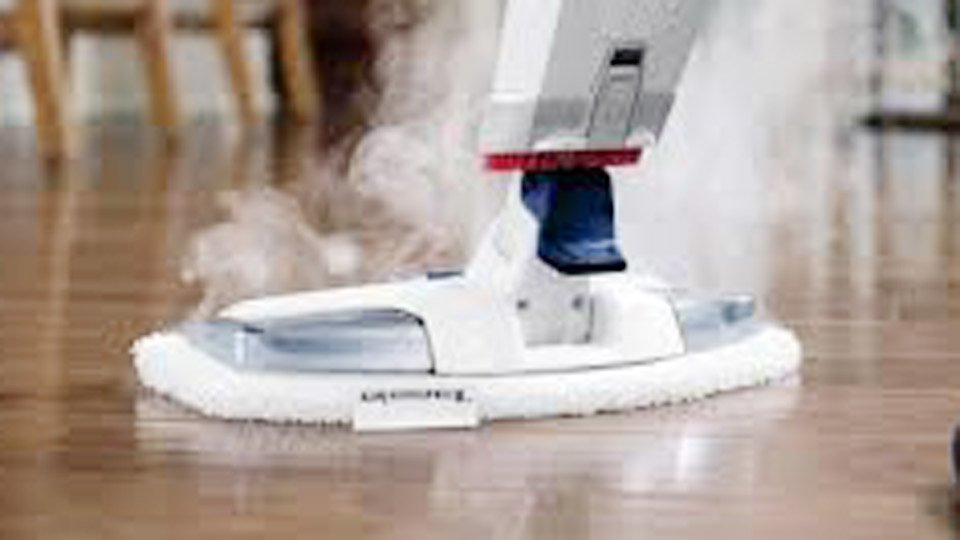
Avoid steam mops on laminate—they can warp the boards with too much heat and moisture. Stick to damp mopping instead.
Step-by-Step Guide: How I Make My Laminate Floors Shine Without Wax
This is the method I use on client homes and my own—it’s straightforward, takes about an hour for a standard room, and delivers that wow factor. First, clear the space: Move furniture and rugs out of the way. I once skipped this and ended up with uneven shine under a couch—lesson learned.
Step 1: Dry clean the surface. Vacuum or sweep thoroughly to pick up dust, hair, and debris. Use the brush attachment on your vacuum to avoid scratches. This step is crucial because any leftover grit will turn into mud when you add liquid.
Step 2: Mix your shining solution. In a bucket or spray bottle, combine 1/4 cup distilled white vinegar with 1 gallon of warm water. For extra shine, add a teaspoon of mild dish soap or a splash of rubbing alcohol—it helps evaporate faster and reduces streaks. If you prefer a scented option, drop in a few essential oils like lemon or lavender, but test in a corner first.
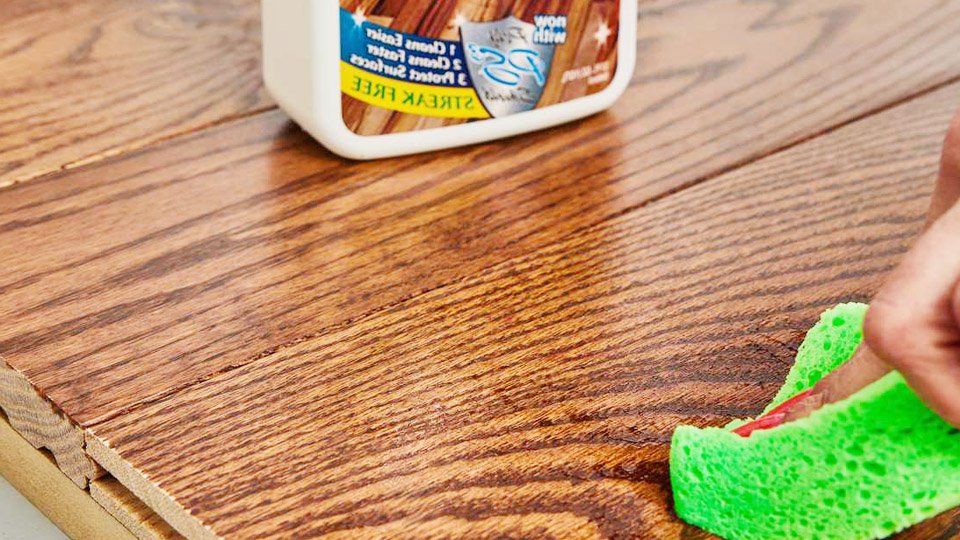
Step 3: Damp mop the floor. Wring your mop until it’s just damp—not wet—to prevent water seeping into seams. Work in sections, mopping with the grain of the “wood” for even coverage. I like to spray the solution directly on the floor for control, then mop it up immediately.
Step 4: Tackle tough spots. For scuffs or sticky residues, dab a cloth with undiluted vinegar and gently rub. I’ve removed crayon marks this way without damaging the finish. Avoid scrubbing pads; they’re too abrasive.
Step 5: Dry and buff. Use a dry microfiber cloth to wipe away excess moisture right away. For that extra shine, buff in circular motions once dry—it polishes the surface naturally. In dry climates, a fan speeds this up.
Repeat monthly or as needed. The first time might take longer if buildup is heavy, but maintenance gets easier. I’ve seen floors go from drab to dazzling in one session using this approach.
Common Mistakes I’ve Made (And How to Avoid Them)
Even pros slip up, and I’ve had my share of laminate mishaps. One big one: Using too much water. Early on, I soaked a mop and ended up with warped edges in a client’s kitchen—expensive fix! Always wring thoroughly and dry quickly to avoid this.
Another mistake is mixing cleaners willy-nilly. I once combined vinegar and a commercial polish, thinking it’d boost shine, but it created a hazy film. Stick to one solution per clean, and never use oil-based products—they attract dirt like a magnet.
Forgetting to test in a hidden spot is common too. I learned this after a strong vinegar mix dulled a small area. Always patch-test new solutions. And don’t walk on wet floors; footprints cause streaks. Wait 30 minutes or until fully dry.
Lastly, ignoring daily maintenance leads to faster dulling. I tell clients to use doormats and felt pads under furniture to prevent scratches that trap grime.
DIY Cleaning Solutions vs. Store-Bought Options
I love DIY for its simplicity and cost-savings—stuff you probably have at home. My favorite is the vinegar mix I mentioned: It’s natural, kills germs, and leaves no residue. Another winner is olive oil and vinegar (1 part oil to 2 parts vinegar) for a subtle polish, but use sparingly to avoid slipperiness.
Store-bought cleaners like Bona or Rejuvenate are great for convenience—they’re pH-balanced and often include shine enhancers without wax. I’ve used Bona on commercial jobs; it’s quick-drying and effective on large areas. But they’re pricier, around $10-20 per bottle.
Here’s a comparison:
| Option | Cost | Eco-Friendliness | Ease of Use | Shine Level |
|---|---|---|---|---|
| DIY Vinegar Solution | Low (pennies per use) | High (natural ingredients) | Medium (mix yourself) | Good |
| Dish Soap Mix | Low | Medium (depends on soap) | Easy | Moderate |
| Commercial Cleaner (e.g., Bona) | Medium | Varies (look for green labels) | High (ready-to-use) | Excellent |
Choose based on your lifestyle—if you’re eco-conscious like me, start with DIY. For busy households, commercial might save time.
Maintaining That Shine: Daily and Weekly Tips
Once you’ve got that shine, keeping it is all about habits. Daily, I sweep or dry-mop to catch dust before it grinds in. Place mats at entrances to trap outdoor dirt—I’ve seen this cut down cleaning time by half in homes with kids or pets.
Weekly, do a quick damp mop with your solution. For pet owners, add baking soda to the mix for odor control; sprinkle it on, let sit, then vacuum. In kitchens, wipe spills immediately to prevent staining.
Seasonally, deep clean more thoroughly. In winter, combat salt from boots with a vinegar rinse. Summer? Open windows for airflow but avoid direct sun fading the color. Furniture pads and no-shoe policies go a long way too.
From experience, consistent maintenance means fewer deep cleans. One client went from monthly scrubs to quarterly after adopting these tips—their floors still look new years later.
When to Call in the Professionals
Sometimes, DIY isn’t enough. If your floors have deep scratches, warping, or heavy buildup from past waxes, pros like me have industrial tools to buff and restore without replacement. I’ve handled cases where amateur attempts made things worse, so if you’re unsure, get a quote.
Costs vary—$1-3 per square foot for shining services in the US. It’s worth it for older floors or if you lack time. Look for certified cleaners who specialize in laminate to avoid damage.
In my career, I’ve turned hopeless cases around, but prevention is key. If it’s just dullness, try my steps first—you might surprise yourself.
Conclusion
There you have it—everything I’ve picked up from years of getting hands-on with laminate floors. By following these wax-free methods, you can make your floors shine brighter, last longer, and save money on replacements. Remember, consistency is your friend; a little effort regularly beats a big overhaul.
Always clean in natural light so you spot streaks early. It’ll make you feel like a pro every time. Now go grab that vinegar and transform your space—you’ve got this!
FAQ
Can I use vinegar on all types of laminate floors?
Yes, diluted white vinegar is safe for most laminate, as it’s gentle and non-abrasive. Test in a small area first, especially on textured or high-gloss finishes. I’ve used it successfully on brands like Pergo without issues.
How often should I shine my laminate floors without wax?
Aim for a full shine clean every 1-2 months, depending on traffic. Weekly maintenance with dry mopping keeps the gloss intact. In my experience, homes with pets need it more frequently to combat fur and dander buildup.
Will these methods remove scratches from laminate?
These shining techniques can minimize minor scratches by cleaning out debris, but deep ones need fillers or professional buffing. I’ve buffed with microfiber to soften appearance, but prevention with pads under furniture is best.
Is it okay to use essential oils in my cleaning solution?
Absolutely, for a fresh scent—lemon or tea tree work well and have antibacterial properties. Use just a few drops to avoid oil residue. I’ve added them to client cleans for that spa-like feel without compromising shine.
How long does it take for laminate floors to dry after cleaning?
Typically 15-30 minutes in a well-ventilated room. Use fans to speed it up. From jobs, I’ve found drying faster in low-humidity areas, but always wait before walking to prevent footprints.