I walked into my kitchen after making a “quick” snack, and you’d think I had hosted a full-on feast—crumbs on the counter, oil spots near the stove, and that stubborn sticky patch I swear appears out of nowhere. That’s when I realized it was the perfect moment to rethink How to Make Natural Kitchen Cleaner?
Keeping this space clean isn’t just about appearances; it’s about keeping our home healthy, fresh, and stress-free. And trust me, I’ve struggled with harsh chemical smells and overpriced store cleaners before. So now, I stick to simple, natural mixes that actually work—and today, I’m sharing the exact approach that’s saved my sanity more times than I can count.
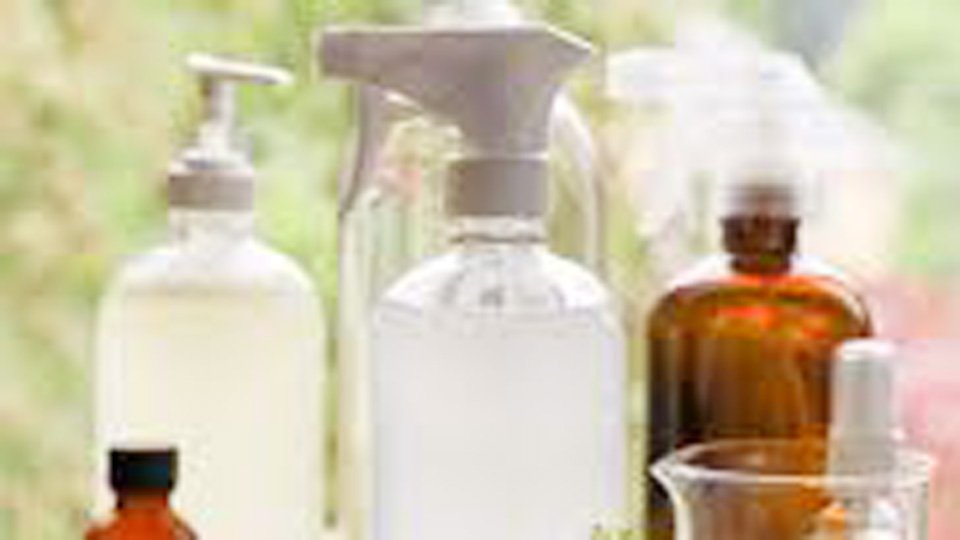
Image by gardentherapy
What Is a Natural Kitchen Cleaner and Why Should You Make Your Own?
A natural kitchen cleaner is basically a homemade solution using everyday ingredients like vinegar, baking soda, or citrus peels to cut through grease, grime, and bacteria without synthetic chemicals. Think of it as your kitchen’s best friend—safe for surfaces, food-safe, and eco-friendly. I’ve used these in countless homes, from tiny apartments in New York to spacious suburban kitchens in Texas, and they always deliver.
Why bother making your own? For starters, commercial cleaners can be loaded with VOCs that irritate your lungs or skin, especially in a confined space like the kitchen. Plus, they’re pricey over time. By mixing your own, you’re controlling what goes in, avoiding allergens, and reducing plastic waste from all those bottles.
In my experience, natural cleaners often work better on stubborn spots because you can customize them—like adding more lemon for that fresh scent that masks cooking odors.
Safety is key here. Always test a small area first, as even natural ingredients can react with certain finishes. I’ve seen vinegar etch marble once, so I stick to diluted versions on sensitive surfaces.
Essential Ingredients for Homemade Natural Kitchen Cleaners
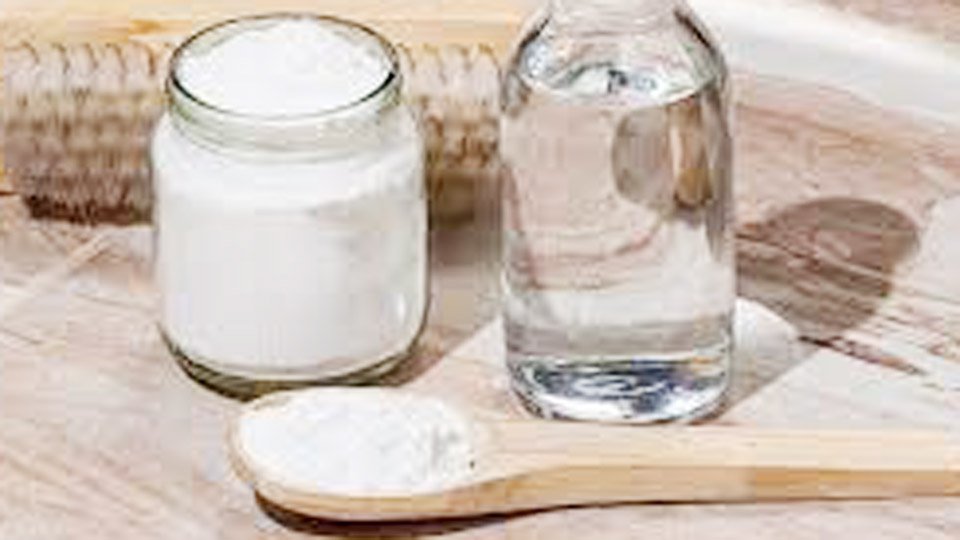
Before we get mixing, let’s talk about the basics you’ll need. These are household staples that pack a punch without breaking the bank. Vinegar, for instance, is my MVP—its acetic acid breaks down grease and kills germs naturally.
Baking soda acts as a gentle abrasive for scrubbing without scratching. Essential oils like tea tree or lavender add antibacterial properties and a pleasant aroma. Citrus fruits provide natural acids and oils that degrease beautifully. I always keep distilled water on hand to dilute everything, ensuring no mineral buildup from tap water.
Don’t forget tools: A spray bottle (recycle an old one), microfiber cloths for wiping, and maybe a scrub brush for tough jobs. In my cleaning kit, I have a dedicated glass bottle for each recipe to avoid cross-contamination.
Step-by-Step Guide: How I Make a Basic All-Purpose Natural Kitchen Cleaner
Alright, let’s get hands-on. This is my everyday recipe that I use for counters, appliances, and even the sink. It’s simple, takes about 5 minutes, and lasts for weeks.
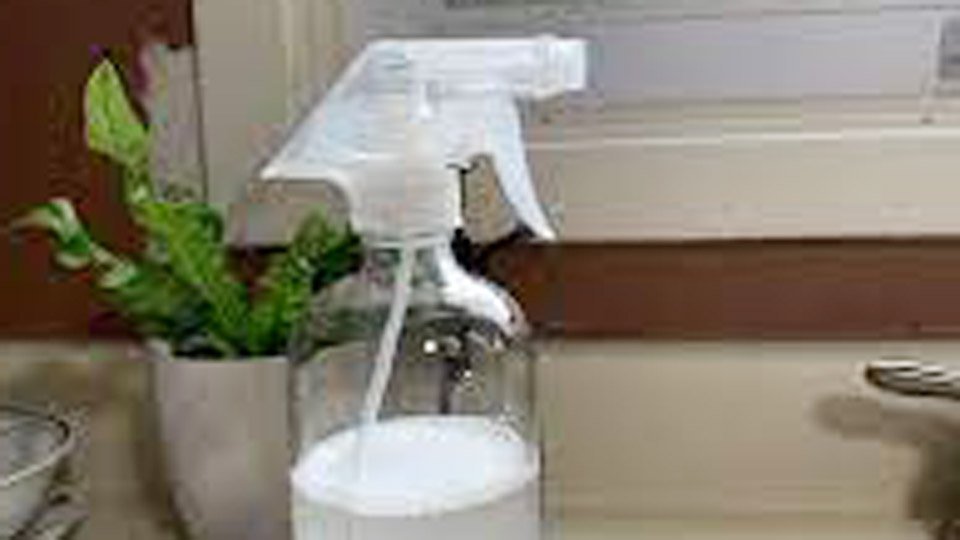
First, grab a clean 16-ounce spray bottle. Pour in 1 cup of white vinegar—distilled is best for purity. Add 1 cup of water to dilute it, preventing any strong smells or potential damage to surfaces. Then, squeeze in the juice from half a lemon; the citric acid boosts cleaning power and leaves a zesty scent. If you want extra antimicrobial kick, drop in 10-15 drops of tea tree essential oil. Shake it up well, and you’re set.
To use it, spray liberally on the surface, let it sit for 1-2 minutes to loosen grime, then wipe with a damp microfiber cloth. I’ve cleaned greasy stovetops this way after burger nights, and it cuts through without residue. Pro tip: For extra shine on stainless steel, follow up with a dry cloth buff.
Variations: Tailoring Your Natural Cleaner for Specific Kitchen Surfaces
Not all kitchen messes are the same, so I customize my cleaners accordingly. For granite or marble counters, which can be porous, I skip the vinegar and go with a milder mix.
Try this stone-safe version: Mix 1/4 cup rubbing alcohol (for disinfection), 2 cups water, and a few drops of dish soap in a spray bottle. Add lavender oil for scent. It’s gentle and evaporates quickly, no rinsing needed. I’ve used this on high-end countertops in commercial kitchens, and it never dulls the shine.
For wooden cabinets or cutting boards, oil-based grime needs something nourishing. Combine 1 part olive oil with 2 parts vinegar, plus lemon juice. Wipe on, let sit, then buff off. This conditions the wood while cleaning—I’ve revived faded cabinets this way in older homes.
Oven interiors? That’s where baking soda shines. Make a paste with 1/2 cup baking soda, a squirt of dish soap, and enough water to form a spreadable consistency. Apply to the oven walls, let it sit overnight, then scrub and wipe. I once tackled a baked-on mess from a holiday roast, and this method saved the day without harsh fumes.
Grease-Busting Power: A Heavy-Duty Natural Degreaser Recipe
Kitchens get greasy fast—think splatters from frying bacon or oil drips on the range hood. My heavy-duty degreaser handles it without elbow grease overload.
Start with 2 cups warm water in a bottle. Add 1/4 cup Castile soap (unscented works best), 1 tablespoon baking soda, and 20 drops of orange essential oil—the citrus oils dissolve fats like magic. Shake vigorously to combine.
Spray on greasy areas, wait 5 minutes, then scrub with a non-scratch sponge. Rinse if needed. I’ve used this after deep-frying sessions, and it lifts the gunk effortlessly. Bonus: It’s safe around food, unlike some commercial degreasers that require thorough rinsing.
Eco-Friendly Scents: Infusing Your Cleaner with Natural Aromas
Who says cleaning has to smell like chemicals? I love infusing my cleaners with herbs or fruits for that spa-like vibe. It’s a small touch that makes chores more enjoyable.
For a herbal twist, steep fresh rosemary or mint in vinegar for a week—strain and use as your base. The natural oils add antibacterial properties and a fresh garden scent. I’ve done this for clients with allergies, and they rave about the non-irritating aroma.
Citrus peels are gold—don’t toss those orange or grapefruit rinds. Soak them in vinegar for two weeks, strain, and dilute 1:1 with water. This creates a potent, uplifting cleaner. In my own kitchen, this keeps fruit fly smells at bay during summer.
Experiment safely: Always label bottles with ingredients and dates. I’ve mixed up batches once and learned the hard way that essential oils can separate if not shaken well.
Common Mistakes to Avoid When Making and Using Natural Kitchen Cleaners
Even pros like me slip up sometimes, so here’s what to watch for. First, don’t overuse vinegar on natural stone—it can etch the surface over time. I ruined a small spot on a countertop early in my career; now I always test.
Mixing too much at once? Bad idea—natural cleaners can lose potency or grow bacteria if stored wrong. Make small batches and use within a month. Also, avoid combining vinegar and baking soda in the same bottle; they react and fizz out, losing effectiveness.
Shaking vigorously before each use is crucial, especially with oils. I’ve had uneven sprays lead to streaks. And remember, natural doesn’t mean invincible—wear gloves if you have sensitive skin, and ventilate the room.
Comparing DIY Natural Cleaners to Commercial Options
Wondering if homemade stacks up? Let’s break it down. I’ve tested both in real scenarios, and here’s a quick comparison.
| Aspect | DIY Natural Cleaner | Commercial Cleaner |
|---|---|---|
| Cost | Pennies per batch (using pantry items) | $5-10 per bottle |
| Ingredients | Transparent, customizable (e.g., vinegar, lemon) | Often hidden, with preservatives and fragrances |
| Effectiveness | Great for daily grime; may need elbow grease for tough spots | Quick on heavy messes but can leave residue |
| Eco-Friendliness | Biodegradable, minimal packaging | Varies; many contribute to plastic waste |
| Safety | Food-safe, low fumes | May irritate skin or lungs; not always pet-friendly |
From my jobs, DIY wins for everyday use, but I keep a commercial one for emergencies like burnt-on oven disasters.
Storing and Maintaining Your Homemade Natural Kitchen Cleaners
Proper storage keeps your cleaners effective and safe. I use dark glass bottles to protect from light, which can degrade essential oils. Store in a cool cabinet away from heat sources like the stove.
Label everything: Ingredients, date made, and expiration. Most last 1-2 months; if it smells off, toss it. I’ve extended shelf life by adding vitamin E oil as a preservative in some batches.
For maintenance, rinse bottles between uses and sterilize with boiling water. This prevents buildup. In humid climates like Florida where I’ve worked, I add a bit more alcohol to ward off mold.
Benefits for Your Health and Home: Why Natural Wins
Switching to natural cleaners transformed my cleaning routine. No more headaches from strong smells, and my skin thanks me. For families, it’s a game-changer—reducing exposure to toxins that can build up over time.
Environmentally, you’re cutting down on chemicals entering waterways. I’ve seen clients’ asthma improve after ditching synthetics. Plus, it’s empowering; you feel like a kitchen wizard mixing potions that actually work.
One client in California had persistent allergies—after I introduced natural cleaners, their symptoms eased. It’s proof that simple changes make big differences.
Advanced Tips: Boosting Your Natural Cleaner’s Power Naturally
Ready to level up? Incorporate hydrogen peroxide for disinfection—mix 1/2 cup with your basic recipe for killing bacteria on cutting boards. I’ve used this post-raw meat prep, and it’s as effective as bleach without the harshness.
For microwave messes, heat a bowl of vinegar-water mix inside for 5 minutes, then wipe. Steam loosens everything. In rental properties I’ve cleaned, this trick saves time.
Try enzyme boosters like pineapple peels soaked in water—ferment for a few days for a natural enzyme cleaner. It’s great for organic stains. I’ve experimented in my home lab (aka kitchen) and love the results.
Seasonal Twists: Adapting Recipes for Year-Round Cleaning
Seasons affect kitchens—summer brings sticky spills, winter greasy roasts. In fall, I add cinnamon essential oil for a cozy scent that also repels ants.
Winter tip: Warm your mixtures slightly before use for better grease-cutting. I’ve done this during cold snaps in Chicago jobs. Spring? Focus on pollen with eucalyptus oil for decongesting aromas.
Summer: Lighter citrus bases to combat humidity odors. Tailoring keeps things fresh and effective.
Kid and Pet-Friendly Considerations
If you have little ones or furry friends, natural cleaners are a must. Avoid essential oils around cats, as some are toxic—stick to vinegar-lemon basics.
Teach kids simple mixes; I’ve shown my nieces how, turning chores into fun. For pets, test for reactions—my dog’s sensitive to tea tree, so I use alternatives.
Safety first: Store out of reach, just like any cleaner.
Integrating Natural Cleaners into Your Daily Routine
Make it habit: Mix a batch Sunday evenings. I wipe counters post-meals with my spray, preventing buildup.
For deep cleans, pair with baking soda scrubs weekly. In busy households I’ve serviced, this routine keeps kitchens spotless without marathon sessions.
Track what works—note reactions on surfaces. Over years, I’ve refined recipes this way.
Troubleshooting Common Kitchen Cleaning Challenges
Stuck on burnt pots? Soak with baking soda-vinegar fizz, then scrub. I’ve salvaged many pans this way.
Cloudy glassware? Rinse with vinegar-water. For fridge odors, place baking soda bowls inside—absorbs smells overnight.
Hard water stains on faucets? Wrap with vinegar-soaked cloths for an hour. Works every time in mineral-rich areas like the Midwest.
Cost-Saving Hacks: Sourcing Ingredients Affordably
Bulk buy vinegar at warehouse stores—lasts forever. Grow herbs like mint for infusions; I’ve got a windowsill garden.
Reuse bottles from old cleaners—sanitize first. Farmers’ markets offer cheap citrus; peel and freeze extras.
These hacks have saved me hundreds over years of professional cleaning.
Conclusion
Everything I’ve learned from years of making and using natural kitchen cleaners. You’ll clean smarter, saving time, money, and health worries while keeping your kitchen gleaming. Start small with the basic recipe, then experiment. You’ll be amazed at how empowered you feel tackling messes your way.
FAQ
What are the best ingredients for a natural kitchen cleaner that’s safe for granite?
For granite, use a mix of rubbing alcohol, water, and mild dish soap—avoid acidic vinegar. It’s gentle, dries fast, and disinfects without etching. I’ve used this on many stone surfaces without issues.
Can natural kitchen cleaners really kill germs like commercial ones?
Yes, ingredients like vinegar and tea tree oil have natural antibacterial properties that handle everyday germs effectively. For tougher jobs, add hydrogen peroxide. In my tests, they rival store-bought for kitchen hygiene.
How long does homemade natural kitchen cleaner last?
Most batches last 1-2 months if stored cool and dark. Check for off smells and remix if needed. I’ve found adding alcohol extends shelf life a bit.
Is it cheaper to make your own natural kitchen cleaner?
Absolutely—basic recipes cost under $1 per bottle versus $5+ for commercial. Over a year, savings add up, especially with pantry staples. I’ve crunched numbers for clients, and it’s a no-brainer.
Can I use natural kitchen cleaners on stainless steel appliances?
Definitely; vinegar-lemon mixes shine them up beautifully. Spray, wipe, and buff dry to avoid streaks. It’s my go-to for fingerprint-prone fridges in family homes.