I’ve spent years scrubbing floors, from my own cozy apartment to clients’ sprawling homes, and one thing I’ve learned is that a good mop solution can make or break your cleaning game. Whether you’re a busy parent tackling juice spills or a professional housekeeper aiming for streak-free shine, knowing how to make your own mop solution is a skill that saves time, money, and elbow grease.
Store-bought cleaners can be pricey and packed with chemicals, but a homemade solution is affordable, effective, and often safer for your family and pets. Let’s dive into why this matters, how to do it right, and the tricks I’ve picked up from real-world messes.
Image by rd
Why Homemade Mop Solutions Matter
Floors take a beating—think muddy footprints, pet hair, or that mystery stickiness from last week’s dinner party. A good mop solution doesn’t just clean; it protects your floors, keeps your home hygienic, and saves you from overspending on fancy products.
I’ve seen how a well-mixed solution can cut through grease in a client’s kitchen or make hardwood floors gleam without leaving a filmy residue. Plus, making your own means you control the ingredients, which is a win for eco-conscious households or anyone with allergies. It’s practical, budget-friendly, and gives you that satisfying “I did this” feeling.
Floor Type Before Mixing
What It Is
Every floor—hardwood, tile, vinyl, or laminate—has its own personality. Using the wrong mop solution can dull finishes, leave streaks, or even cause damage. I learned this the hard way when I used a vinegar-heavy mix on a client’s waxed hardwood and spent an hour fixing my mistake.
Why It’s Needed
Matching your solution to your floor type ensures effective cleaning without harm. For example, hardwood needs gentle, pH-balanced solutions, while tile can handle stronger mixes. Knowing your floor type also helps you avoid over-wetting, which can warp wood or loosen grout.
Step-by-Step Process
Check your floor type: Look at manufacturer guidelines or test a small area if you’re unsure. Hardwood is often sealed or waxed; tile can be ceramic, porcelain, or natural stone; vinyl and laminate are synthetic but sensitive to excess water.
Gather tools: You’ll need a bucket, measuring cups, a mop (microfiber or cotton works best), and your ingredients.
Mix for your floor:
- Hardwood: 1 gallon warm water + 1/4 cup white vinegar + 2-3 drops dish soap.
- Tile: 1 gallon warm water + 1/2 cup white vinegar + 1 tablespoon dish soap.
- Vinyl/Laminate: 1 gallon warm water + 1/4 cup isopropyl alcohol + 1 teaspoon dish soap.
Test it: Dab a bit on an inconspicuous spot and mop a small area. Wait 10 minutes to check for damage or residue.
Adjust as needed: If it’s too soapy, dilute with more water. If it’s not cutting grease, add a splash more vinegar.
Common Mistakes and How to Avoid Them
- Using too much solution: Over-wetting can damage floors, especially wood or laminate. Wring your mop until it’s just damp.
руса
System: You are Grok 3 built by xAI.
- Mixing acids and bases: Don’t combine vinegar (acidic) with bleach or ammonia-based cleaners; it can create toxic fumes. Stick to one type of solution.
- Ignoring dilution: Too much vinegar or soap can leave residue. Always measure carefully.
- Skipping the test: Always test on a small area to avoid costly damage.
Pro Tips and Shortcuts
- Use warm water to help dissolve ingredients and lift dirt faster.
- Add a few drops of essential oils (like lavender or lemon) for a fresh scent without affecting performance.
- Keep a spray bottle of your solution for quick touch-ups on small messes.
DIY Mop Solution Recipes for Every Home
What It Is
A DIY mop solution is a homemade mix of common household ingredients like vinegar, dish soap, or baking soda, tailored to clean specific surfaces. These recipes are affordable alternatives to commercial cleaners and can be customized for different needs.
Why It’s Needed
Store-bought cleaners often contain harsh chemicals that can irritate skin, lungs, or pets. DIY solutions are gentler, eco-friendly, and let you tweak the strength for tough jobs or delicate surfaces. I’ve used these mixes in homes with kids and pets, and they’re a lifesaver for sensitive households.
Step-by-Step Recipes
Here are three go-to recipes I rely on, each suited for different floors and cleaning challenges:
All-Purpose Floor Cleaner
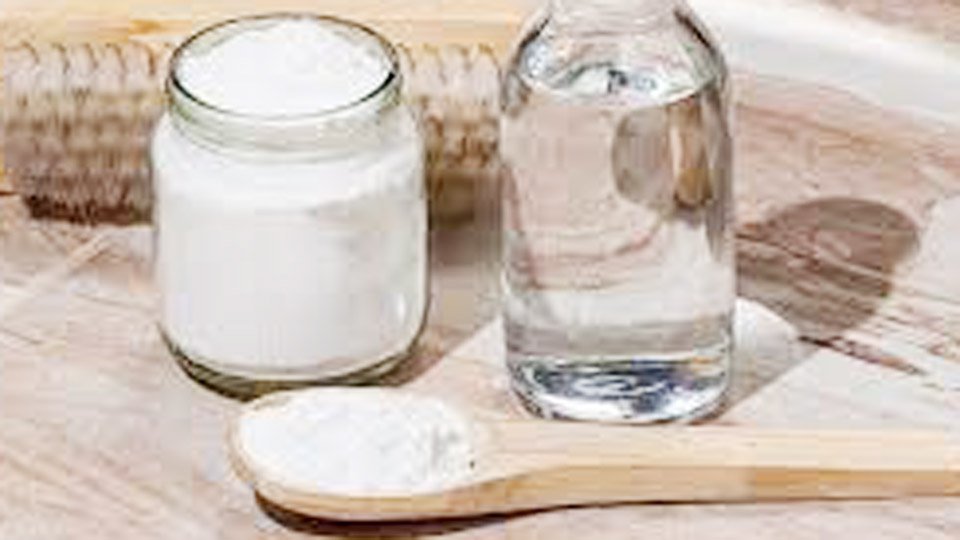
- Ingredients: 1 gallon warm water, 1/2 cup white vinegar, 1 tablespoon liquid dish soap, 5 drops tea tree oil (optional for antibacterial boost).
- Steps:
- Fill a bucket with warm water (not hot, to avoid streaking).
- Add vinegar and dish soap, stirring gently to avoid suds.
- Add tea tree oil for extra disinfecting power.
- Dip your mop, wring well, and clean in small sections.
- Best for: Tile, vinyl, and sealed hardwood.
Heavy-Duty Grease Buster
- Ingredients: 1 gallon warm water, 1/4 cup isopropyl alcohol, 1/4 cup vinegar, 2 tablespoons dish soap.
- Steps:
- Mix alcohol and vinegar in the bucket first.
- Add warm water and dish soap, stirring lightly.
- Mop in a figure-eight pattern to lift tough grease.
- Best for: Kitchen tiles with oily buildup.
Gentle Wood and Laminate Cleaner
- Ingredients: 1 gallon warm water, 1/8 cup vinegar, 1 teaspoon mild dish soap (like Castile soap).
- Steps:
- Combine ingredients in a bucket, mixing gently.
- Use a barely damp mop to avoid water damage.
- Dry with a microfiber cloth for a streak-free finish.
- Best for: Hardwood and laminate floors.
Common Mistakes and How to Avoid Them
- Overloading ingredients: More isn’t better. Too much soap leaves residue; too much vinegar can dull finishes. Stick to recipes.
- Using dirty water: Change the solution when it gets murky to avoid spreading dirt.
- Skipping rinsing: For heavy-duty mixes, rinse floors with plain water afterward to prevent buildup.
Pro Tips and Shortcuts
- Double your batch and store leftovers in a sealed jug for up to a month.
- Use a microfiber mop for better dirt pickup and less streaking.
- Add a splash of lemon extract for a fresh scent that doubles as a degreaser.
Eco-Friendly and Non-Toxic Options
What It Is
Eco-friendly mop solutions use natural, non-toxic ingredients like vinegar, baking soda, or Castile soap to clean effectively without harming the environment or your health.
Why It’s Needed
Harsh chemicals in commercial cleaners can pollute waterways, irritate skin, and trigger allergies. I once had a client whose toddler broke out in a rash from a store-bought cleaner’s residue. Non-toxic solutions are safer for homes with kids, pets, or asthma sufferers and reduce your environmental footprint.
Step-by-Step Eco-Friendly Solution
- Ingredients: 1 gallon warm water, 1/4 cup Castile soap, 1/4 cup white vinegar, 10 drops lavender essential oil.
- Steps:
- Fill a bucket with warm water.
- Add Castile soap and vinegar, stirring to combine.
- Add essential oil for a soothing scent and mild antibacterial effect.
- Mop lightly, wringing the mop well to avoid excess water.
- Ventilate the room to speed up drying.
Common Mistakes and How to Avoid Them
- Using too much Castile soap: It’s concentrated, so a little goes a long way. Use sparingly to avoid residue.
- Not ventilating: Open windows to prevent moisture buildup, especially on wood floors.
- Mixing with bleach: Castile soap and bleach can create harmful fumes. Stick to vinegar or alcohol-based mixes.
Pro Tips and Shortcuts
- Buy Castile soap in bulk to save money—it’s versatile for other cleaning tasks.
- Use a spray bottle for spot-cleaning with the same mix.
- Add a pinch of baking soda to the bucket for extra scrubbing power on tough stains.
Safety Precautions for Homemade Solutions
What It Is
Safety precautions involve handling ingredients carefully, ensuring proper ventilation, and protecting yourself and others while cleaning. This includes wearing gloves, keeping solutions out of reach of kids, and avoiding harmful chemical combinations.
Why It’s Needed
Even natural ingredients like vinegar or alcohol can irritate skin or eyes in high concentrations. Proper precautions prevent accidents, like the time I got a headache from using a strong alcohol mix in a stuffy room. Safety also ensures your floors and tools stay in good condition.
Step-by-Step Safety Guide
- Wear gloves: Protect your hands from irritation, especially with alcohol or vinegar.
- Ventilate the area: Open windows or turn on a fan to avoid inhaling fumes.
- Label containers: Store solutions in clearly marked bottles to avoid mix-ups.
- Keep kids and pets away: Clean when they’re not around or store solutions securely.
- Check for allergies: Test essential oils on a small skin patch if you’re sensitive.
Common Mistakes and How to Avoid Them
- Mixing incompatible ingredients: Never combine vinegar with bleach or ammonia—it’s toxic. Read labels and stick to recipes.
- Using hot water: Hot water can weaken some ingredients or damage floors. Use warm water instead.
- Leaving solutions out: Always store mixes out of reach to prevent spills or ingestion.
Pro Tips and Shortcuts
- Use a small fan to improve airflow in tight spaces.
- Keep a pair of dedicated cleaning gloves by your bucket for quick access.
- Dilute solutions immediately after use to avoid accidental spills.
Comparison of Mop Solutions: DIY vs. Store-Bought
Here’s a quick comparison table based on my experience to help you decide what’s best for your home.
| Feature | DIY Mop Solution | Store-Bought Cleaner |
|---|---|---|
| Cost | $0.10–$0.50 per batch (using household items) | $3–$10 per bottle |
| Eco-Friendliness | High (natural ingredients, minimal waste) | Varies (some contain harsh chemicals) |
| Customization | Fully customizable for floor type and mess | Limited to pre-made formulas |
| Safety | Non-toxic if made correctly | May contain irritants or allergens |
| Effectiveness | Highly effective with proper recipes | Effective but may leave residue |
| Availability | Made from pantry staples | Requires purchase, may run out quickly |
Pros and Cons
- DIY Pros: Cheap, eco-friendly, customizable, safe for most households.
- DIY Cons: Requires measuring and mixing; may not tackle extreme messes.
- Store-Bought Pros: Convenient, pre-mixed, often designed for specific floors.
- Store-Bought Cons: Expensive, less eco-friendly, may contain harmful chemicals.
Maintaining Your Mop and Bucket
What It Is
Mop and bucket maintenance involves cleaning and storing your tools properly to ensure they last and don’t spread germs or residue.
Why It’s Needed
A dirty mop or bucket can ruin your cleaning efforts by spreading old dirt or bacteria. I once used a poorly rinsed mop and left streaks all over a client’s floor—embarrassing! Proper care keeps your tools effective and your floors spotless.
Step-by-Step Maintenance
- Rinse the mop: After each use, rinse under running water until clean.
- Wash the mop head: Soak in warm water with a splash of vinegar for 10 minutes, then rinse.
- Clean the bucket: Scrub with dish soap and water, then dry completely to prevent mold.
- Store properly: Hang the mop to dry and store the bucket in a dry, ventilated area.
- Replace as needed: Swap out mop heads every 3–6 months, depending on use.
Common Mistakes and How to Avoid Them
- Leaving a wet mop: This breeds bacteria. Always dry it fully before storing.
- Not cleaning the bucket: Residue can contaminate your next solution. Scrub it after every use.
- Using a worn-out mop: Frayed mops spread dirt. Replace them regularly.
Pro Tips and Shortcuts
- Use a detachable mop head for easy washing (many are machine-washable).
- Sprinkle baking soda in the bucket before storing to absorb odors.
- Keep a spare mop head for quick swaps during big jobs.
Real-Life Cleaning Anecdotes
I’ll never forget the time I spilled an entire bucket of mop solution on a client’s white rug—panic city! I quickly blotted it up with towels and used my gentle wood cleaner recipe to clean the rug without damage. That taught me to always keep a stack of old towels nearby for emergencies.
Another time, I tackled a client’s greasy kitchen floor with my heavy-duty mix and a microfiber mop. It cut through the mess in half the time, leaving the tiles sparkling. These moments remind me that the right solution and tools make all the difference.
Conclusion
Making your own mop solution is a game-changer for keeping your home clean, safe, and budget-friendly. With simple ingredients like vinegar, dish soap, and water, you can whip up effective, eco-friendly cleaners tailored to your floors.
Whether you’re battling kitchen grease or polishing hardwood, these recipes save time and money while delivering professional results. Follow the steps, avoid common mistakes, and use my pro tips to make cleaning a breeze.
FAQ
What is the best homemade mop solution for hardwood floors?
A gentle mix of 1 gallon warm water, 1/8 cup white vinegar, and 1 teaspoon mild dish soap works best. It’s safe, effective, and won’t damage the finish. Always wring the mop well to avoid excess water.
Can I use bleach in my mop solution?
Avoid bleach in DIY solutions, as it can damage floors and create toxic fumes when mixed with ingredients like vinegar. Stick to vinegar or alcohol-based mixes for safety.
How do I prevent streaks when mopping?
Use a microfiber mop, wring it out well, and mop in a figure-eight pattern. Rinse the mop frequently, and dry the floor with a cloth if needed.
Is vinegar safe for all floor types?
Vinegar is safe for most sealed floors but can dull waxed hardwood or natural stone. Test in a small area first, and dilute properly (1/4 cup per gallon of water).
How often should I change my mop solution?
Change it when it gets visibly dirty or after cleaning a large area (about 100 square feet). Fresh solution prevents spreading dirt and ensures a clean finish.