I opened the cabinet under my kitchen sink and nearly had a mini avalanche of spray bottles, sponges, and half-used cleaners tumble out. Sound familiar? That little space tends to become the “junk drawer” of the kitchen, and before you know it, you’re digging around for glass cleaner like it’s a hidden treasure. That’s exactly why learning how to organize cleaning supplies under your kitchen sink is such a game-changer.
Not only does it save time and frustration, but it also keeps everything hygienic and easy to grab when you’re in the middle of a spill or mess. I’ll be honest—I’ve struggled with this cluttered corner for years, but once I found a few simple tricks, my whole cleaning routine became smoother (and a lot less stressful).
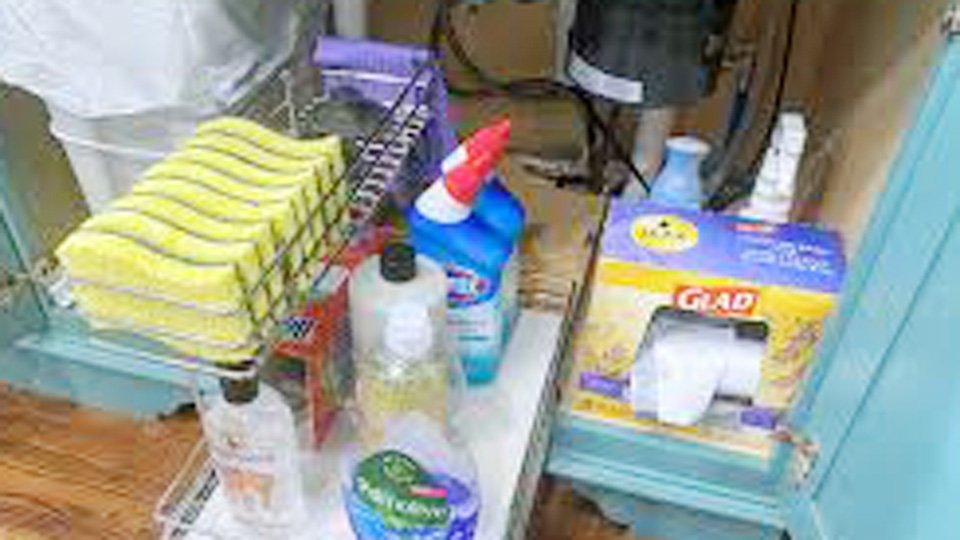
Photo by addicted2decorating
Why Organizing Under the Kitchen Sink Is a Game-Changer
What It Is
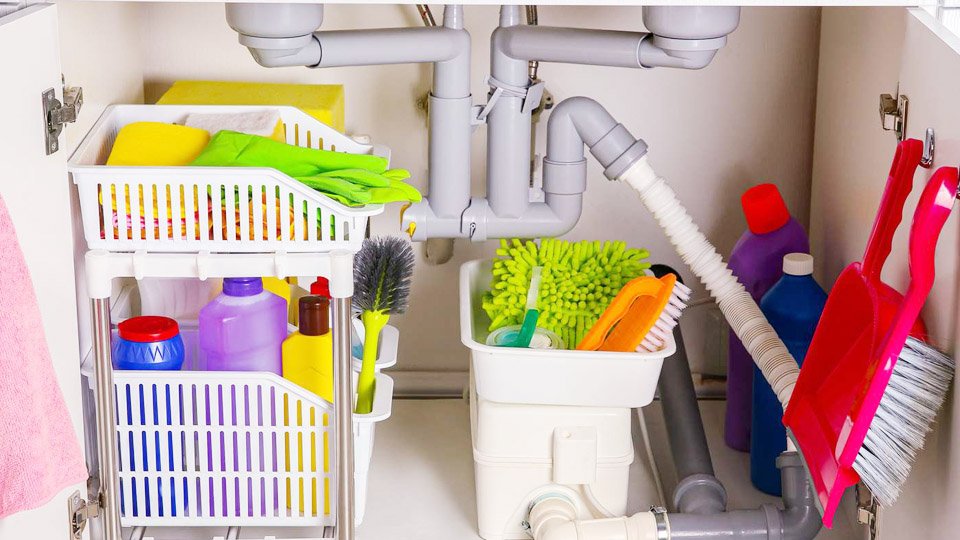
Organizing under the kitchen sink means creating a system where every cleaning supply has a designated spot, is easy to access, and stays safe. It’s about turning a cramped, often damp space into a practical storage area for sprays, sponges, gloves, and more.
Why It’s Needed
This space is prime real estate in most US kitchens, but it’s also prone to clutter. Pipes, garbage disposals, and leaks make it tricky. A disorganized sink cabinet can lead to:
- Wasted time: Digging for the right cleaner while dinner burns.
- Safety risks: Spills or leaks mixing chemicals or attracting pests.
- Frustration: Knocking over bottles or finding expired products.
- Cost: Buying duplicates because you can’t find what you need.
My Experience
I once cleaned a client’s kitchen where the under-sink area was a disaster—leaky bottles, rusty scrubbers, and a mystery puddle. It took me 20 minutes just to find the all-purpose cleaner! That’s when I realized a good system isn’t just nice—it’s essential.
Assessing Your Under-Sink Space
What It Is
This is the starting point: taking stock of the space, supplies, and challenges like pipes or dampness.
Why It’s Needed
Every kitchen sink cabinet is different. Some have awkward pipes, others are narrow or deep. Knowing your space helps you choose the right organizers and avoid wasting money on solutions that don’t fit.
Step-by-Step Process
- Empty Everything Out: Pull out all supplies. Lay them on a towel or old sheet to keep things clean.
- Check for Damage: Look for leaks, rust, or mold. Wipe down the cabinet with a vinegar-water mix (1:1) to disinfect.
- Measure the Space: Use a tape measure to note height, width, and depth. Account for pipes or garbage disposals.
- Sort Supplies: Group items by type (sprays, sponges, brushes) and check expiration dates. Toss anything old or leaky.
- Plan Your Layout: Decide what needs to be front-and-center (like dish soap) versus back (like extra sponges).
Common Mistakes
- Ignoring Leaks: A small drip can ruin organizers or supplies. Fix leaks first or use a waterproof liner.
- Overstuffing: Cramming too much in makes it hard to access items.
- Forgetting Pipes: Organizers that don’t account for plumbing waste space.
Pro Tips
- Line the cabinet with a peel-and-stick vinyl liner for easy cleanup.
- Take a quick photo of your supplies before shopping for organizers—it’s a lifesaver at the store.
- If you spot mold, scrub with hydrogen peroxide (3%) and ventilate the area.
Choosing the Right Organizers for Your Supplies
What It Is
Picking storage solutions like bins, racks, or caddies that fit your space and cleaning habits.
Why It’s Needed
The right organizers maximize space, keep things accessible, and prevent spills. Without them, you’re just tossing stuff back into chaos.
Step-by-Step Process
- Prioritize Accessibility: Keep daily-use items (dish soap, sponges) in front, less-used ones (drain cleaner) in back.
- Choose Organizers:
- Pull-Out Baskets: Great for deep cabinets. They slide out for easy access.
- Stackable Bins: Ideal for small items like sponges or scrubbers.
- Tension Rods: Hang spray bottles to save floor space.
- Clear Containers: See what’s inside without digging.
- Consider Pipes: Look for adjustable organizers that fit around plumbing.
- Test Fit: Place organizers in the cabinet before loading supplies to ensure they work.
Common Mistakes
- Buying Without Measuring: That sleek caddy might not fit around your garbage disposal.
- Skipping Labels: Unlabeled bins lead to confusion.
- Cheap Materials: Flimsy plastic breaks fast in a damp environment.
Pro Tips
- Use a lazy Susan for corner cabinets—it’s a game-changer for reaching bottles in the back.
- Stick adhesive hooks on the cabinet door for gloves or scrub brushes.
- Opt for rust-resistant materials like stainless steel or heavy-duty plastic.
Comparison Table: Organizer Types
| Organizer Type | Pros | Cons | Best For |
|---|---|---|---|
| Pull-Out Baskets | Easy access, fits deep spaces | Can be pricey | Large cabinets |
| Stackable Bins | Affordable, versatile | Less accessible in back | Small items |
| Tension Rods | Saves floor space | Limited weight capacity | Spray bottles |
| Clear Containers | See-through, stackable | Can crack over time | Mixed supplies |
Sorting and Storing Cleaning Supplies Safely
What It Is
Grouping supplies by use and storing them in a way that prevents spills, leaks, or accidents.
Why It’s Needed
A jumbled pile risks chemical spills, which can be dangerous (especially with kids or pets). Proper storage also makes cleaning faster.
Step-by-Step Process
- Group by Purpose: Separate dishwashing, surface cleaners, and specialty products (e.g., stainless steel polish).
- Check Compatibility: Store bleach away from ammonia-based cleaners to avoid toxic reactions.
- Use Leak-Proof Containers: Place liquids in sealed bins to catch spills.
- Childproof if Needed: Install a cabinet lock if kids or pets are around.
- Label Everything: Use waterproof labels for bins or bottles.
Common Mistakes
- Mixing Chemicals: Bleach and ammonia can create toxic fumes. Keep them apart.
- Overlooking Spills: A small leak can ruin other supplies or attract pests.
- No Ventilation: Trapped moisture breeds mold. Crack the cabinet door occasionally.
Pro Tips
- Store heavy items low to prevent tipping.
- Keep a small spill kit (paper towels, gloves) nearby for quick cleanups.
- Use a marker to write purchase dates on bottles to track freshness.
Eco-Friendly and DIY Cleaning Supply Options
What It Is
Using sustainable or homemade cleaners to reduce waste and chemicals under your sink.
Why It’s Needed
Eco-friendly options are safer for families, pets, and the environment. DIY solutions save money and reduce plastic waste.
Step-by-Step Process
- Make DIY Cleaners:
- All-Purpose Spray: Mix 1 cup water, 1 cup white vinegar, and 10 drops lemon essential oil in a reusable spray bottle.
- Scrub Paste: Combine ½ cup baking soda with 2 tbsp water for a gentle abrasive.
- Store Safely: Use glass or BPA-free plastic bottles for DIY mixes.
- Test First: Try DIY cleaners on a small area to ensure they work on your surfaces.
- Supplement with Green Products: Look for EPA Safer Choice-certified brands like Seventh Generation or Method.
Common Mistakes
- Overusing Essential Oils: Too much can leave a sticky residue.
- Weak Containers: Cheap spray bottles leak—invest in quality ones.
- Ignoring Allergies: Some natural ingredients (like citrus oils) can irritate skin.
Pro Tips
- Reuse old spray bottles after rinsing thoroughly.
- Add a drop of dish soap to DIY sprays for extra grease-cutting power.
- Store DIY mixes in dark glass bottles to preserve essential oils.
Maintaining Your Organized Sink Cabinet
What It Is
Keeping your under-sink setup functional with regular upkeep.
Why It’s Needed
Without maintenance, clutter creeps back, and spills or leaks can damage your system. A quick check keeps things tidy.
Step-by-Step Process
- Weekly Wipe-Down: Use a damp cloth with dish soap to clean bins and surfaces.
- Monthly Inventory: Check for expired products or low supplies.
- Inspect for Leaks: Look for drips from pipes or bottles.
- Refresh Organizers: Adjust bins or replace worn-out ones as needed.
- Ventilate: Open the cabinet door for a few hours monthly to prevent mustiness.
Common Mistakes
- Letting Spills Sit: Clean leaks immediately to avoid mold or stains.
- Neglecting Pipes: A small plumbing issue can wreck your setup.
- Overstocking: Buying in bulk is great, but not if it clogs your space.
Pro Tips
- Keep a small flashlight under the sink to spot leaks in dark corners.
- Store extra supplies in a separate closet to avoid overcrowding.
- Set a calendar reminder for monthly checks—it takes 5 minutes but saves headaches.
Safety Tips for Storing Cleaning Supplies
What It Is
Storing supplies to prevent accidents, spills, or exposure to kids and pets.
Why It’s Needed
Cleaning products can be toxic if mishandled. Proper storage protects your household and ensures supplies last longer.
Step-by-Step Process
- Read Labels: Follow storage instructions (e.g., “store in a cool, dry place”).
- Use Child Locks: Install magnetic or latch locks on cabinet doors.
- Keep Original Containers: Don’t transfer chemicals to unmarked bottles.
- Ventilate: Avoid storing in tightly sealed spaces to prevent fume buildup.
- Wear Gloves: Handle harsh chemicals with care, even when organizing.
Common Mistakes
- Unlabeled Containers: You might grab the wrong cleaner in a rush.
- High Storage: Don’t store heavy bottles high—they can fall.
- Ignoring Pets: Pets can chew through plastic bottles.
Pro Tips
- Keep a first-aid number handy in case of accidental exposure.
- Store rags and sponges separately to avoid chemical residue transfer.
- Use a small bucket as a “grab-and-go” caddy for frequent tasks.
Real-Life Example: My Client’s Kitchen Sink Overhaul
I once worked with a busy mom in a Chicago suburb whose under-sink area was a nightmare—leaky dish soap, tangled scrubbers, and a rusty pipe. She was embarrassed, but I’ve seen worse. We emptied everything, fixed a small leak with plumber’s tape, and lined the cabinet with a waterproof mat.
We used stackable bins for her sponges and brushes, a tension rod for spray bottles, and a clear caddy for her DIY vinegar spray. Now, she grabs what she needs in seconds, and her kids can’t get into the locked cabinet. It took an hour but saved her daily stress.
Conclusion
Organizing cleaning supplies under your kitchen sink isn’t just about tidying up—it’s about making your life easier, safer, and more efficient. With a few smart organizers, a safety-first mindset, and regular upkeep, you can turn that chaotic space into a cleaning command center. You’ll save time, avoid buying duplicates, and keep your family safe from spills or mishaps.
Keep a small notepad under the sink to jot down when supplies run low—it’s a simple trick that keeps you ahead of the game.
Common Questions About Organizing Under the Kitchen Sink
How do I prevent leaks from ruining my cleaning supplies?
Check pipes regularly for drips and use a waterproof liner. Store liquids in sealed bins to catch spills.
What’s the best way to store spray bottles under the sink?
Hang them on a tension rod or use a pull-out basket. Keep nozzles locked to prevent leaks.
Can I use DIY cleaners under the sink safely?
Yes, but store them in sturdy, labeled containers. Avoid mixing incompatible ingredients like vinegar and bleach.
How do I organize a small under-sink space?
Use stackable bins, adhesive hooks, and a lazy Susan. Prioritize daily-use items and store extras elsewhere.
Are eco-friendly cleaning products worth it?
Absolutely—they’re safer for kids, pets, and the planet. Look for EPA Safer Choice labels for trusted options.