If you’ve ever walked into your living room and discovered that your dog has turned your beloved couch into a bathroom, trust me—you’re not alone. I’ve been there. My rescue pup had a rough start adjusting to his new home, and my fabric sofa took the brunt of it. At first, I was constantly cleaning, deodorizing, and wondering if I’d made a huge mistake letting him on the furniture at all.
But over time, I learned that protecting your couch from dog pee isn’t just about cleaning up after the fact—it’s about prevention, smart layering, and training. From waterproof covers to strategic repellents and behavior tips, there are effective ways to keep your couch safe and still let your furry friend enjoy cuddle time.
I’ll share the real-life methods that saved my sofa—and my sanity—so you can enjoy your couch and your dog without constant cleanup.
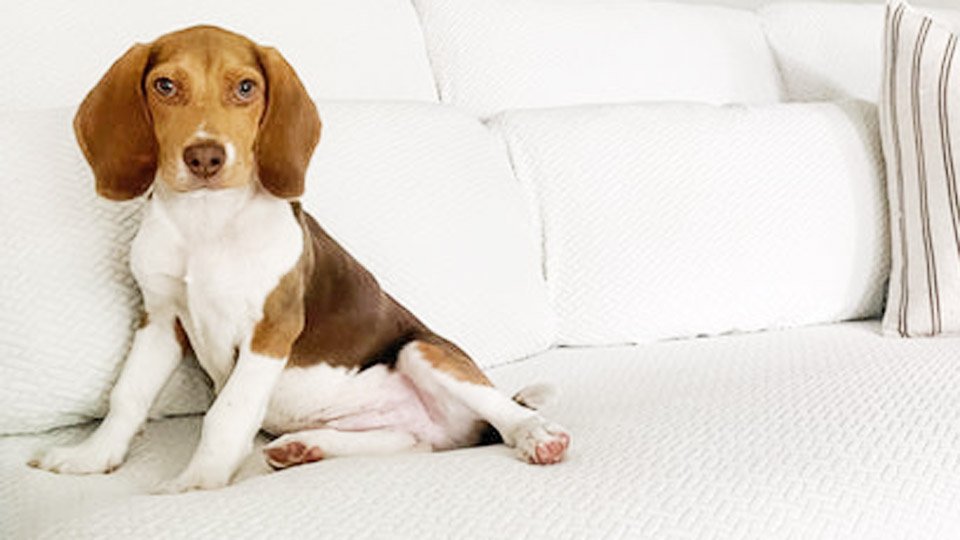
Image by nolaninterior
Why Dog Pee Is a Couch’s Worst Enemy
Dog urine is more than just a wet spot. It’s a mix of ammonia, bacteria, and proteins that can soak deep into fabric, leaving stains and stubborn odors. Fabric couches, whether microfiber, cotton, or linen, act like sponges, making prevention critical.
I’ve seen couches ruined by repeat accidents, but with the right strategies, you can avoid the hassle and expense of replacing your furniture. From training tips to protective covers, I’ll share what’s worked for me to keep my couch pee-free.
Supplies You’ll Need
Here’s what I keep on hand to protect my couch and deal with accidents quickly. Most are affordable and easy to find:
| Item | Purpose |
|---|---|
| Waterproof couch cover | Blocks urine from soaking into fabric |
| Washable throw blanket | Adds an extra layer of protection |
| White distilled vinegar | Neutralizes odors and cleans fresh spots |
| Baking soda | Absorbs smells and lifts stains |
| Enzyme cleaner | Breaks down pet urine proteins |
| Spray bottle | For applying cleaning solutions |
| Microfiber cloths | For blotting and cleaning without streaks |
| Pet training pads | For temporary protection during training |
| Vacuum with upholstery attachment | For regular maintenance |
Always check your couch’s care tag for cleaning codes (W, S, WS, or X) to ensure your protection and cleaning methods are safe for the fabric. Test any cleaner on a hidden spot first.
Your Couch’s Cleaning Code
Before you start protecting or cleaning your couch, check the care tag. Here’s what the codes mean, based on my experience:
- W: Safe for water-based cleaners like vinegar or soap solutions.
- S: Use solvent-based cleaners only (avoid water).
- WS: Both water- and solvent-based cleaners are okay.
- X: Vacuum only; no liquids.
Most fabric couches are W or WS, so water-based protection methods and cleaners are usually fine. For S or X-coded couches, focus on dry protection like covers and avoid liquid cleaners unless specified.
Training Your Dog to Avoid the Couch
The best way to protect your couch from dog pee is to prevent accidents in the first place. Training takes time, but it’s worth it. Here’s how I trained Max to steer clear of my sofa:
How to Train:
- Set boundaries early. Use a firm “no” when your dog jumps on the couch and redirect them to their bed or crate.
- Reward good behavior. Give treats or praise when they stay off the couch or use their designated potty area.
- Use deterrents like double-sided tape or aluminum foil on the couch—dogs hate the texture. I used foil for a week, and Max avoided the couch like the plague.
- Establish a consistent potty schedule. Take your dog out frequently, especially after meals or naps.
- Supervise closely during training. Keep your dog in sight or use a leash indoors until they’re reliable.
Time Estimate: 2–4 weeks for consistent results, depending on your dog’s age and habits.
Do:
- Be patient—puppies and rescues may need extra time.
- Use positive reinforcement to build good habits.
Don’t:
- Punish accidents harshly—it can confuse your dog.
- Let them on the couch sometimes—it sends mixed signals.
If your dog is still learning, crate them or use a playpen when you’re not home to prevent unsupervised accidents.
Using Protective Covers
A waterproof couch cover is a lifesaver. I started using one after Max’s first accident, and it’s saved my couch countless times. Here’s how to choose and use one:
How to Use:
- Pick a waterproof, machine-washable cover that fits your couch snugly. Look for ones labeled “pet-proof” or “water-resistant.”
- Spread the cover over the couch, tucking it into crevices to keep it in place.
- Add a washable throw blanket for extra protection and style. I use a cozy fleece one that’s easy to toss in the wash.
- Wash the cover and blanket weekly or after any accidents to keep them fresh.
- Vacuum under the cover monthly to prevent pet hair buildup.
Time Estimate: 5–10 minutes to set up, plus weekly washing (30–60 minutes).
Do:
- Choose a cover that matches your decor—it doesn’t have to look like a tarp!
- Secure it tightly to prevent slipping.
Don’t:
- Use non-waterproof covers—they won’t stop urine from soaking through.
- Skip washing—it can trap odors over time.
Keep a spare cover on hand so you can swap it out while one’s in the wash.
Applying Fabric Protectants
Fabric protectants create a barrier that repels liquids, making accidents easier to clean. I’ve used them on my microfiber couch with great success.
How to Apply:
- Vacuum the couch thoroughly to remove dust and pet hair.
- Choose an upholstery-safe protectant spray (check for W or WS compatibility).
- Test on a hidden area first to ensure no discoloration.
- Spray evenly in a well-ventilated area, holding the can 6–8 inches from the fabric.
- Let it dry completely (usually 4–6 hours) before letting your dog near the couch.
- Reapply every 6–12 months, depending on the product.
Time Estimate: 15 minutes active time, plus 4–6 hours drying.
Do:
- Follow the product’s instructions for best results.
- Ventilate the room to avoid inhaling fumes.
Don’t:
- Use on S-coded fabrics unless it’s solvent-based.
- Let your dog on the couch before it’s dry.
Combine a protectant with a cover for double protection, especially for puppies or frequent offenders.
Cleaning Up Accidents Quickly
Even with the best prevention, accidents happen. Acting fast is key to protecting your couch. Here’s my go-to method for fresh dog pee:
How to Clean:
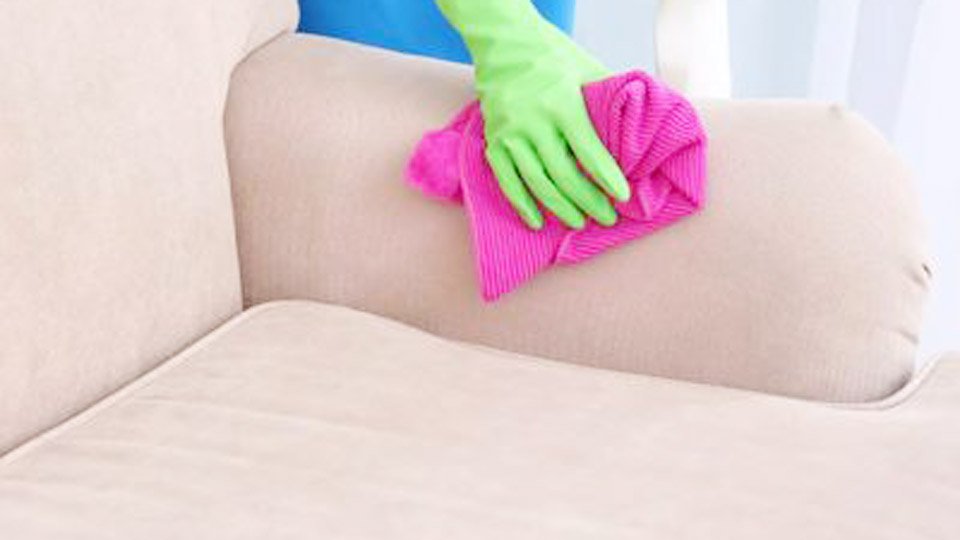
- Blot the area with old towels or paper towels to absorb as much urine as possible. Press firmly but don’t rub.
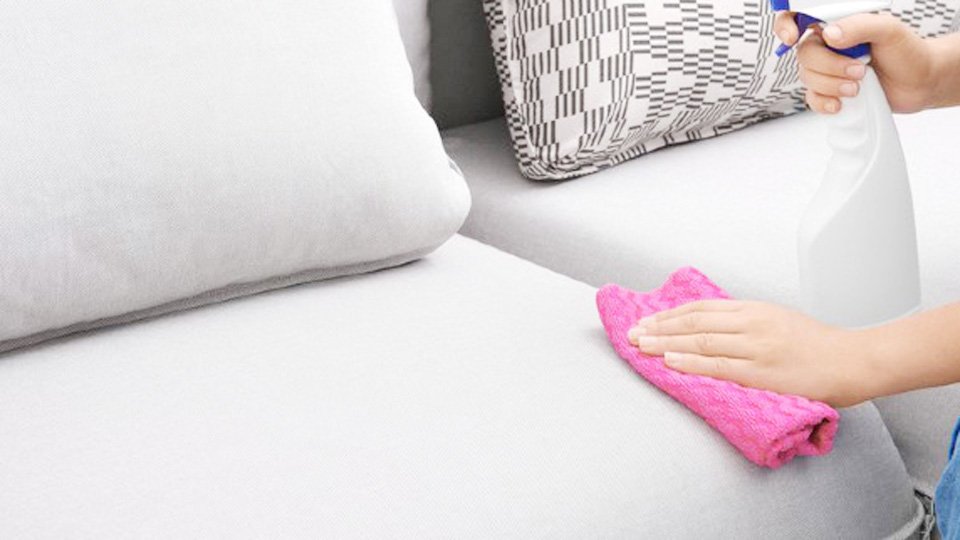
- Mix 1 cup warm water, 1 cup white vinegar, and 1 teaspoon mild dish soap in a spray bottle.
- Spray the spot lightly and let it sit for 5 minutes to neutralize the urine.
- Blot with a clean microfiber cloth until the stain lifts. Repeat if needed.
- Sprinkle baking soda over the area to absorb odors. Let it sit for 4–6 hours.
- Vacuum up the baking soda with the upholstery attachment.
Time Estimate: 15–20 minutes active time, plus 4–6 hours for odor absorption.
Do:
- Blot thoroughly to remove as much liquid as possible.
- Use a fan to speed drying and prevent mold.
Don’t:
- Rub the stain—it spreads the mess.
- Skip the baking soda if there’s any smell.
Keep a cleaning caddy with vinegar, baking soda, and cloths ready for quick action.
Using Enzyme Cleaners for Tough Odors
For persistent pet urine odors, enzyme cleaners are a game-changer. I used one to save a client’s couch after their dog marked it repeatedly.
How to Use:
- Choose a pet-safe enzyme cleaner labeled for upholstery.
- Test on a hidden spot to check for colorfastness.
- Apply as directed—usually spraying or pouring onto the stain and letting it sit for 10–15 minutes.
- Blot with a clean cloth and let it air dry completely.
- Vacuum any residue.
Time Estimate: 20–30 minutes, plus drying time (check product label).
Do:
- Follow drying instructions to avoid mold.
- Use in a well-ventilated area.
Don’t:
- Use on S-coded fabrics unless it’s solvent-based.
- Rush the process—enzymes need time to break down proteins.
Enzyme cleaners are pricier, so use them for tough cases and rely on vinegar for minor accidents.
Homemade Protection and Cleaning Solutions
I love DIY solutions for their simplicity and cost savings. Here are my favorite recipes to protect and clean your couch:
| Solution | Ingredients | Best For |
|---|---|---|
| Vinegar Spray | 1:1 water and vinegar, 1 tsp dish soap | Fresh stains, light odors |
| Baking Soda Paste | 1/4 cup baking soda, 2 tbsp water | Dried stains |
| Odor Neutralizer | 2 cups water, 1 cup vinegar, 1 tbsp baking soda | Lingering smells |
How to Make:
- For the vinegar spray, mix in a spray bottle and shake well. Use within a month.
- For the paste, mix just before use for maximum effectiveness.
- For the odor neutralizer, mix gently to manage fizzing and use immediately.
Pro Tip: Add a drop of lavender essential oil to the vinegar spray for a pleasant scent—just don’t overdo it.
Regular Couch Maintenance
Keeping your couch clean prevents odors and makes accidents easier to handle. Here’s my routine:
- Vacuum weekly with the upholstery attachment to remove pet hair and dust.
- Spot-clean spills immediately with a damp cloth and mild soap.
- Wash covers and throws weekly or after accidents.
- Flip and rotate cushions monthly to prevent wear and tear.
Time Estimate: 10–15 minutes weekly.
Do:
- Vacuum under cushions where pet hair hides.
- Check for early signs of accidents to catch them fast.
Don’t:
- Let pet hair build up—it traps odors.
- Ignore small stains—they can set in.
Pro Tip: Keep a lint roller handy for quick pet hair cleanups between vacuums.
Safety Tips and Common Mistakes
Protecting your couch is straightforward, but avoid these pitfalls:
- Don’t Over-Wet: Too much liquid can lead to mold in the couch’s padding. Use sprays sparingly.
- Check Fabric Codes: Using water-based cleaners on S-coded fabrics can ruin them.
- Avoid Harsh Chemicals: Bleach or ammonia can damage fabric or create toxic fumes when mixed with urine.
- Ventilate: Open windows when cleaning or applying protectants to avoid fumes and speed drying.
My Experience Protecting Couches
I’ve been through the ringer with dog pee on couches, from Max’s puppy days to helping friends with their pet messes. One time, I saved a rental house couch that was destined for the dump after a dog marked it repeatedly. A waterproof cover, some training, and a good enzyme cleaner turned it around.
These methods are my go-to because they’re affordable, effective, and safe for my home. You don’t need to be a pro to protect your couch—just a bit of know-how and the right tools.
Conclusion
Protecting your couch from dog pee is totally doable with a mix of prevention, protection, and quick cleanup. Whether you’re training your pup, layering on covers, or tackling an accident, these strategies—honed from years of cleaning—will keep your sofa fresh and safe.
FAQ
Can I Use Vinegar to Prevent Dog Pee on My Couch?
Vinegar is great for cleaning fresh urine spots but isn’t a long-term repellent. I spray a 1:1 vinegar-water mix on accidents to neutralize odors, but to prevent pee, focus on training your dog to avoid the couch and use a waterproof cover. You can also spritz a diluted vinegar solution on a test spot to deter dogs—some dislike the smell—but it’s not foolproof.
How Do I Choose a Waterproof Couch Cover for Pet Protection?
Look for a cover labeled “waterproof” and “pet-proof” that fits your couch snugly. I use a machine-washable one that blends with my decor. Check that it’s made for your couch’s cleaning code (W or WS for water-resistant fabrics). Tuck it tightly and wash it weekly to keep it fresh. A good cover stops urine from soaking in, saving you tons of cleanup.
Are Enzyme Cleaners Necessary for Dog Urine on Couches?
Enzyme cleaners aren’t always needed but are a lifesaver for stubborn pet urine odors. I use them for repeat accidents or set-in smells, as they break down urine proteins. For fresh spots, a vinegar and baking soda mix often works fine. If you go with an enzyme cleaner, choose one safe for upholstery and test it first to avoid fabric damage.
How Long Does It Take to Train a Dog to Avoid Peeing on the Couch?
Training depends on your dog’s age and temperament, but I’ve found 2–4 weeks works for most. Use consistent commands, rewards, and deterrents like foil on the couch. My puppy took about a month to learn the couch was off-limits. Be patient, supervise closely, and stick to a potty schedule to prevent accidents.
Can Fabric Protectants Stop Dog Pee from Staining?
Fabric protectants create a liquid-repellent barrier, making urine easier to clean. I’ve used them on my microfiber couch, and they work well for W-coded fabrics. Apply in a well-ventilated area, let it dry for 4–6 hours, and reapply every 6–12 months. Pair with a cover for maximum protection against dog pee stains.