Sometimes life just happens—like muddy footprints after a rainy day or a juice spill that somehow lands right in the middle of the carpet. Moments like these remind me how handy it is to keep my carpet cleaner ready for action. But here’s the thing: if you don’t know how to refill your Bissell carpet cleaner the right way, you’ll waste time, water, and cleaning solution. I’ve been there—frustrated, juggling bottles and tanks—until I figured out the simple steps that make the whole process smooth and stress-free.
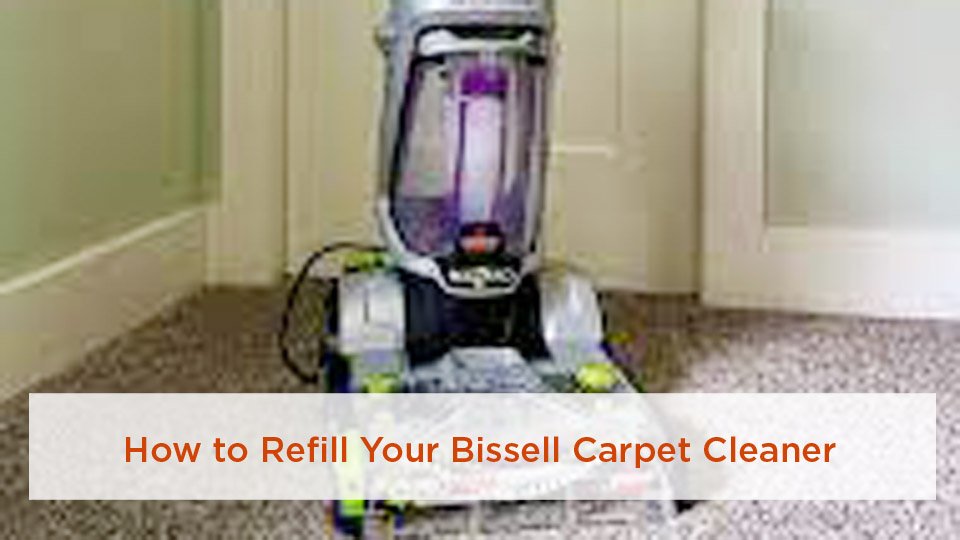
Image by MoneySavingMom
Understanding Your Bissell Carpet Cleaner
Let’s start with the basics—what exactly is a Bissell carpet cleaner, and why does refilling it feel like a puzzle sometimes? These machines are upright or portable vacuums designed specifically for deep-cleaning carpets and upholstery. Popular models like the ProHeat 2X Revolution or the Little Green series use a combination of hot water, cleaning solution, and powerful suction to lift dirt from deep within the fibers.
I’ve used everything from the compact SpotClean for quick pet messes to the full-sized Big Green for whole-room overhauls in clients’ homes. They’re built tough for US households, where we deal with muddy boots in winter, spilled juices from kids, and fur from our four-legged family members.
Refilling is needed whenever the clean tank runs low—usually mid-clean or before starting a new session—to keep the spray consistent and avoid dry-running the pump, which can cause damage.
When do you know it’s time? If your machine stops spraying or the water looks murky, that’s your cue. In everyday life, this matters for busy families; a quick refill lets you tackle spills right away, preventing stains from setting in and saving you from costly replacements down the line.
Why Proper Refilling Matters for Your Home and Health
You’re in the middle of cleaning your living room carpet after a family game night spill, and suddenly, no more spray. Frustrating, right? That’s often because the tank wasn’t refilled correctly. Doing it right ensures even distribution of water and solution, which lifts more dirt and leaves less residue. This is crucial for hygiene—improper refills can leave soap behind, attracting more grime and potentially harboring mold in damp areas.
From a safety standpoint, using the right mix prevents slips on over-wet floors and avoids chemical buildup that could irritate skin or lungs. I’ve seen it in action; one client had asthma flare-ups from old, ineffective cleans, but switching to proper refills made a world of difference.
Cost-wise, it stretches your solution further, and time-efficiently, it means fewer interruptions. For renters or homeowners, it’s about preserving your deposit or property value—clean carpets last longer.
Eco-wise, proper refilling lets you opt for greener solutions, reducing plastic waste from constant buys. It’s all about smarter cleaning that fits real life.
Step-by-Step Guide to Refilling Your Bissell Carpet Cleaner
Alright, let’s get our hands dirty—figuratively, of course. I’ll break this down like I’m right there with you, machine in hand. This applies to most models, but always peek at your manual for specifics, as tank designs vary slightly.
Preparing Your Workspace and Machine
First things first: Set up in a well-ventilated area, like your garage or kitchen sink, to avoid fumes building up. I always wear gloves—those nitrile ones from the dollar store work great—to protect my hands from hot water or solution. Unplug the machine for safety; no one wants a surprise spray.
Check if the dirty water tank needs emptying. Lift it out (it’s usually at the back or bottom), pour out the gunk into a sink, and rinse it. Why? A full dirty tank can cause overflow issues during cleaning. If your model has a filter, give it a quick rinse under tap water. This step alone has saved me from many a soggy disaster on job sites.
Removing and Filling the Clean Tank
Now, locate the clean water tank—it’s typically on top or the side, with a handle for easy removal. Grip it firmly and pull straight up or out, depending on your model like the ProHeat 2X. Set it on a flat surface near your sink.
Unscrew the cap counterclockwise. For filling, use hot tap water—not boiling, as that can warp plastic parts. Fill to the marked water line; most tanks have clear indicators for different modes, like Express Clean (less water) or Deep Clean (more).
Add your cleaning solution next. Pour it into the designated formula compartment or directly into the water, following the line—usually 1-2 ounces per tank. Screw the cap back on tightly but not over-tight; I’ve stripped a few in my early days by cranking too hard.
Reinserting the Tank and Testing
Slide the tank back into place until it clicks—listen for that satisfying snap to ensure it’s seated properly. Plug in, turn on, and test the spray on a scrap towel or inconspicuous carpet spot. If it sprays evenly, you’re good to go. This whole process takes me under 5 minutes now, but the first time? Maybe 10, with some spills.
For portable models like the Pet Stain Eraser, it’s similar but smaller scale—fill to the formula line with ready-to-use solution.
Choosing the Right Cleaning Solution for Your Bissell
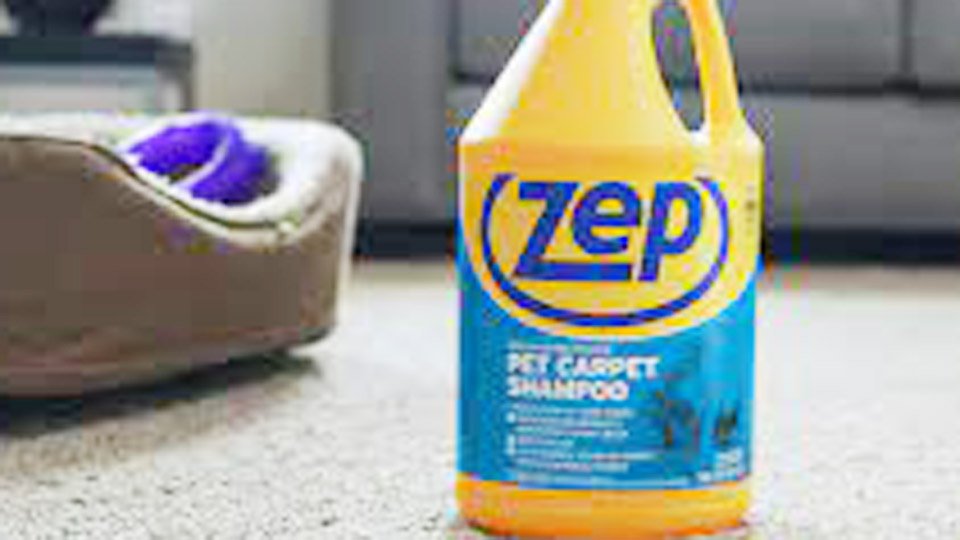
What goes in that tank? Bissell recommends their own formulas to avoid voiding the warranty, and from experience, they’re spot-on for tough US home messes like coffee stains or mud tracks. But let’s compare options.
Bissell Brand Solutions
These are pre-mixed for your machine, with scents like fresh or pet odor eliminators. Pros: Optimized for suction, no clogs, effective on deep dirt. Cons: Pricier, and some have strong smells.
Eco-Friendly and DIY Alternatives
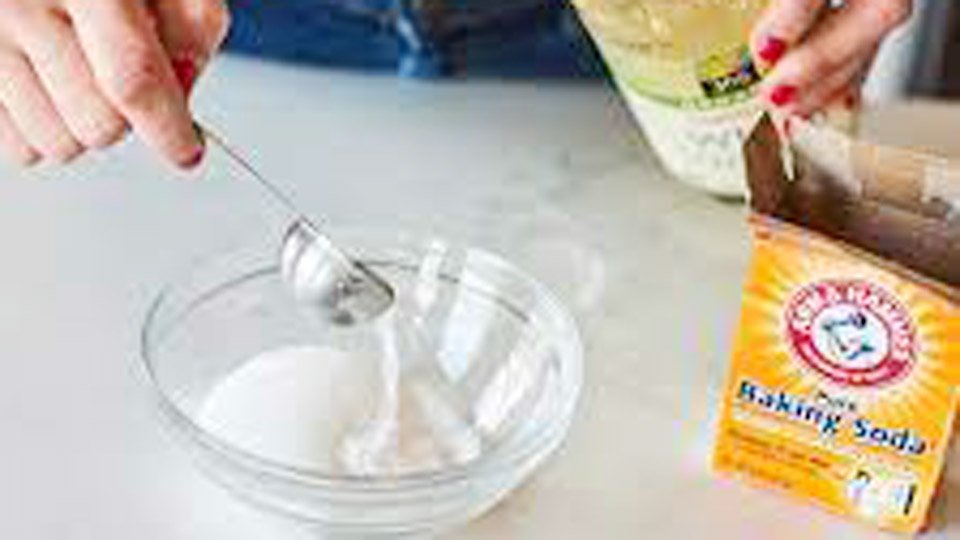
For greener choices, look for Bissell’s natural lines or third-party eco formulas without harsh chemicals. I’ve tried DIY mixes in a pinch—like 2 cups hot water, 1 cup white vinegar, 2 teaspoons baking soda, and a drop of dish soap. It works for light cleans but can leave residue if not rinsed well.
Another fave: Mix 1/4 cup hydrogen peroxide, 2 tablespoons vinegar, and a squirt of dish soap in hot water. Eco pros: Cheap, natural, reduces waste. Cons: May damage machines over time, like corroding parts with vinegar. Always test small and use sparingly.
Here’s a quick comparison table:
| Solution Type | Pros | Cons | Best For |
|---|---|---|---|
| Bissell Official | No warranty issues, strong cleaning power | Higher cost, potential strong scent | Heavy-duty pet or stain removal |
| Eco-Friendly Brands | Biodegradable, gentle on environment | May require more passes for deep clean | Allergy-sensitive homes |
| DIY Vinegar Mix | Inexpensive, readily available ingredients | Risk of residue or machine damage | Quick, light refreshes |
| Hydrogen Peroxide DIY | Brightens carpets, kills bacteria | Can bleach colors if overused | Spot treatment on light fabrics |
Safety note: Never mix bleach with anything; it creates toxic fumes. Ventilate well, and keep kids and pets away during mixing.
Common Mistakes When Refilling and How to Avoid Them
Oh, the blunders I’ve made—and seen! One biggie: Using cold water instead of hot. Hot water activates the solution better for deeper clean, but boiling can crack tanks. Fix: Always use tap-hot.
Another: Overfilling or underfilling. Too much overflows; too little causes pump strain. Stick to lines religiously.
Wrong solutions—like dish soap—create foam that clogs everything. I’ve unclogged many a hose from this. Avoid by using approved formulas.
Not seating the tank right leads to no spray. Double-check that click.
Lastly, forgetting to empty the dirty tank mid-job causes backups. Set a timer or check every 10 minutes.
Pro Tips and Shortcuts from My Cleaning Toolkit
After years on the job, here are my go-tos. For busy families: Pre-mix solution in a jug for quick refills—saves time during kid chaos.
Shortcut: Add a boost like Bissell’s Oxy for stubborn stains; one ounce per tank amps up power without extra work.
For eco hacks: Essential oils like lavender in DIY mixes mask odors naturally, but dilute well to avoid oil buildup.
Anecdote: Once, on a rental cleanout, I refilled mid-job with a vinegar mix for a musty basement—worked wonders, but I rinsed extra to prevent stickiness.
Safety reminder: Gloves on, windows open, and store solutions high up from little hands.
For maintenance: After refilling, run a water-only cycle to rinse internals, preventing buildup.
Troubleshooting Refill-Related Issues
If after refilling, no spray? Check for clogs—flush hoses with warm water. Weak suction? Empty dirty tank and clean filters.
Leaking? Tank might not be sealed; reseat or check for cracks.
For models like CrossWave, ensure the multi-surface formula if doing hard floors too.
Extending the Life of Your Bissell Through Smart Refills
Regular refills are part of maintenance. Clean tanks monthly with vinegar-water rinse to prevent mold. Store upright in a dry spot.
In US homes, with our mix of carpet types—from berber to shag—adjust solution strength: Lighter for delicate, heavier for plush.
Quick fix for messes: Pre-treat with baking soda, let sit, then refill and clean.
Conclusion
There you have it—refilling your Bissell carpet cleaner doesn’t have to be a chore. By following these steps, you’ll clean faster with consistent spray, smarter by choosing the right solutions for your needs, and safer with proper precautions like ventilation and gloves.
Your carpets will thank you with fewer allergens, longer life, and that fresh feel underfoot. Always do a test spray on a hidden spot first—it saves surprises on visible areas. Happy cleaning, and if you try these tips, you’ll see the difference in no time.
FAQ
What water temperature should I use when refilling my Bissell carpet cleaner?
Stick to hot tap water around 140°F—it’s effective for dissolving dirt without damaging the machine. Avoid boiling water, as it can warp plastic parts and lead to leaks.
Can I use homemade solutions in my Bissell without voiding the warranty?
It’s risky; Bissell recommends their formulas to maintain warranty. DIY options like vinegar mixes work for light jobs but can cause clogs or corrosion over time. Test sparingly and rinse thoroughly.
How often should I refill during a cleaning session?
It depends on the room size—check every 10-15 minutes. For large areas, expect 2-3 refills to keep performance steady and avoid running dry, which strains the pump.
What if my Bissell isn’t spraying after refilling?
First, ensure the tank is seated properly with a click. If not, check for clogs in the hose or low solution levels. A quick flush with warm water often fixes it.
Are there eco-friendly cleaning solutions compatible with Bissell machines?
Yes, look for Bissell’s natural formulas or plant-based alternatives. For DIY, try a mix of water, vinegar, and essential oils, but use in moderation to prevent residue buildup.