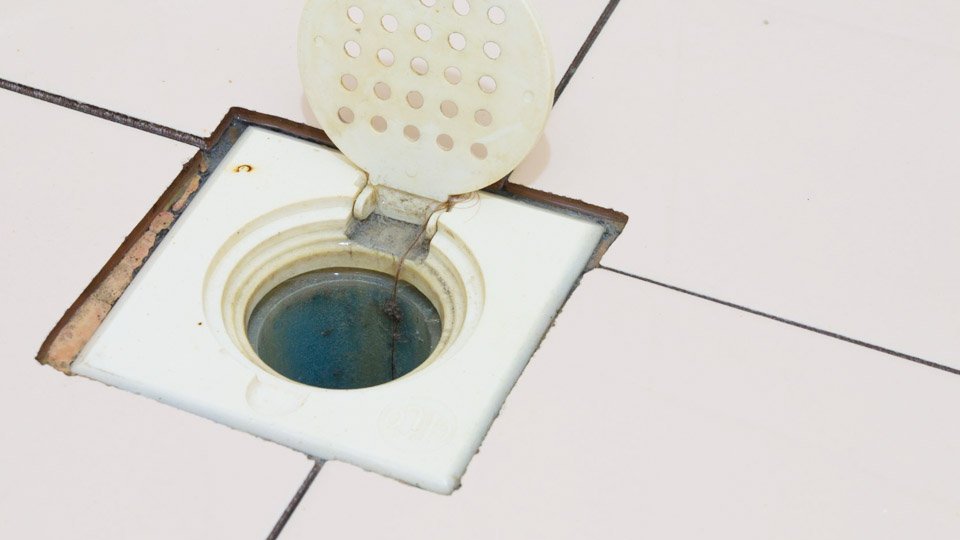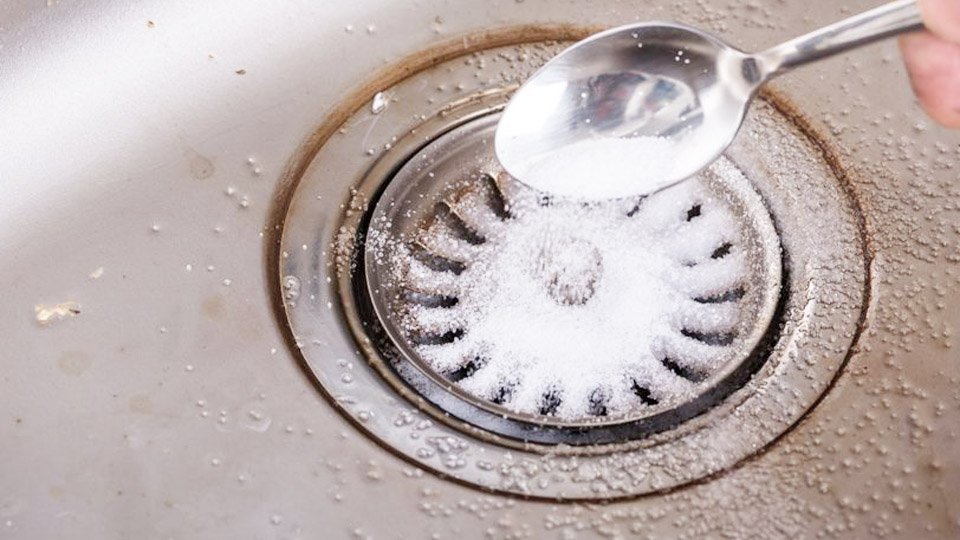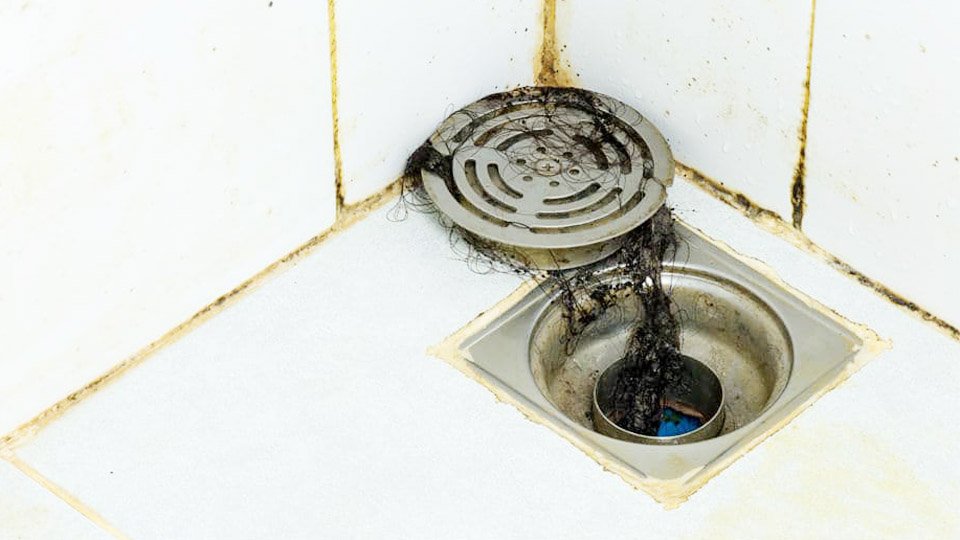
Have you ever noticed your bathroom sink draining slowly or smelling a bit off, and realized it’s time for a deep cleaning? I remember struggling with how to remove a bathroom sink stopper for cleaning—it seemed trickier than I expected! But getting that stopper out is essential if you want to tackle grime, stubborn stains, and buildup that can cause clogs or unpleasant odors.
Whether you’re a homeowner or renter, knowing how to handle this small but important task makes bathroom cleaning so much easier and more effective. Plus, using simple, eco-friendly solutions to clean under the stopper helps keep your bathroom fresh and hygienic. Stick around—I’m going to share some straightforward, tried-and-true tips on removing your bathroom sink stopper quickly and hassle-free!
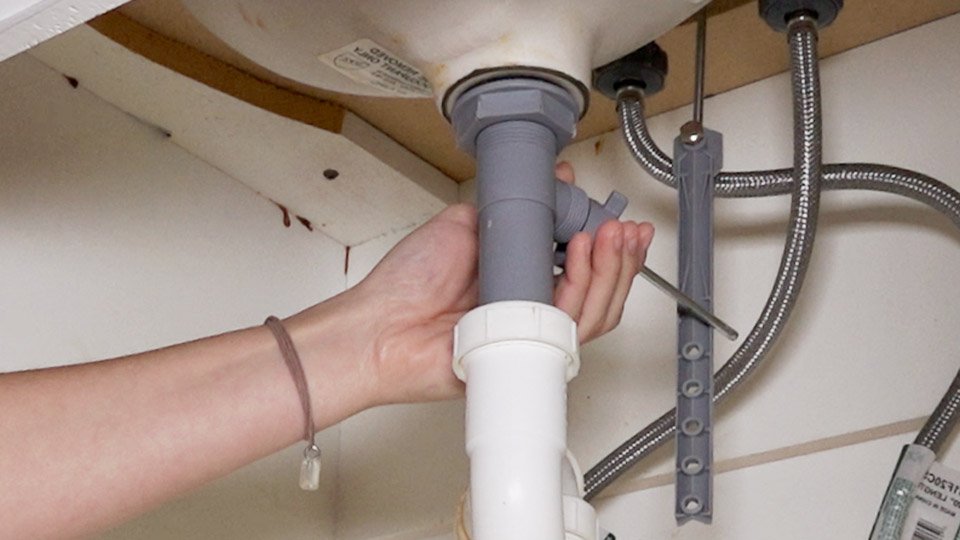
Image by motherdaughterprojects
Why Cleaning Your Sink Stopper Matters
Bathroom sink stoppers trap water, but they also trap hair, soap, toothpaste, and other gunk, leading to clogs and funky odors. Regular cleaning keeps your sink draining smoothly and your bathroom fresh.
I’ve cleaned stoppers in everything from my old apartment’s rusty sink to a client’s fancy pedestal basin, and the process is straightforward once you know how.
Whether you have a pop-up, push-down, or lift-and-turn stopper, I’ll cover the main types and how to handle them. Plus, it’s a quick, budget-friendly fix that saves you from expensive plumbing bills.
Supplies You’ll Need
Here’s what I keep handy for cleaning sink stoppers. Most are probably already in your home:
| Item | Purpose |
|---|---|
| White distilled vinegar | Dissolves soap scum and hard water stains |
| Baking soda | Scrubs and deodorizes |
| Old toothbrush | Cleans small crevices |
| Microfiber cloths | Wipes surfaces without streaks |
| Small bowl or bucket | Soaks the stopper |
| Screwdriver (flathead or Phillips) | Removes stopper assembly screws |
| Pliers | Loosens stuck parts |
| Dish soap (mild) | Cuts through grease |
| Gloves (optional) | Protects hands from gunk |
| Flashlight | Helps see under the sink |
Turn off the water supply under the sink if you’re worried about leaks. Wear gloves if you’re squeamish about handling gunk. Always test cleaning solutions on a small area of your stopper to ensure they won’t damage the finish.
Identifying Your Sink Stopper Type
Before removing the stopper, figure out what type you have. Here’s what I’ve learned from working on various sinks:
Pop-Up Stopper: Common in most bathrooms, these have a lift rod on the faucet that moves the stopper up and down.
Push-Down (Push-Pull) Stopper: You push to close and pull to open; no lift rod, just a knob on top.
Lift-and-Turn Stopper: You lift and twist to open or close; often has a set screw.
Toe-Touch Stopper: Press with your foot or hand to open or close; similar to push-down but spring-loaded.
Most bathroom sinks have pop-up stoppers, so I’ll start there, but I’ll cover the others too. If you’re unsure, check how the stopper moves when you open or close it.
Removing a Pop-Up Sink Stopper
Pop-up stoppers are the most common, and I’ve removed dozens in my cleaning adventures. Here’s how to do it:
How to Remove:
- Locate the lift rod behind the faucet. It’s the thin metal rod you pull to close the sink.
- Crawl under the sink with a flashlight. Find the horizontal pivot rod connected to the vertical lift rod.
- Unscrew the pivot nut (the piece holding the pivot rod to the drain pipe) using pliers or your hands. It’s usually plastic or metal.
- Pull the pivot rod out gently, which releases the stopper.
- Lift the stopper out of the drain. If it’s stuck, wiggle it or use pliers to grip it gently.
- Inspect the stopper for a clip or clevis strap. If present, slide it off the pivot rod before pulling it out.
Time Estimate: 5–10 minutes.
Do:
- Place a towel under the sink to catch drips.
- Keep track of small parts like the pivot nut.
Don’t:
- Force the stopper out—it can damage the drain.
- Lose the pivot rod or clip; you’ll need them to reassemble.
Take a quick photo before disassembling to remember how it goes back together.
Removing a Push-Down or Lift-and-Turn Stopper
These stoppers are simpler but can be trickier if they’re stuck. I’ve dealt with a stubborn lift-and-turn stopper in my old rental bathroom—here’s the method:
How to Remove:
- Set the stopper to the open position (so water would drain).
- For lift-and-turn stoppers, look for a small set screw on the side of the knob. Use a small flathead screwdriver to loosen it.
- For push-down stoppers, try twisting counterclockwise while pulling up gently.
- If it doesn’t budge, grip the stopper with pliers (wrap a cloth around it to avoid scratches) and twist or pull.
- Once loose, lift the stopper out of the drain.
Time Estimate: 5–15 minutes, depending on how stuck it is.
Do:
- Check for a set screw before forcing it.
- Use a cloth with pliers to protect the finish.
Don’t:
- Overtighten the set screw when reassembling—it can strip.
- Pull too hard; you might damage the mechanism.
If the stopper is corroded or stuck, soak it with vinegar for 10 minutes to loosen gunk before trying again.
Removing a Toe-Touch Stopper
Toe-touch stoppers are less common but easy to remove once you know how. I’ve cleaned these in guest bathrooms with fancy fixtures.
How to Remove:
- Set the stopper to the open position.
- Twist the stopper cap counterclockwise while holding the base steady.
- If it has a set screw, loosen it with a screwdriver.
- Pull the stopper out gently. If it’s stuck, apply gentle pressure with pliers wrapped in a cloth.
Time Estimate: 5–10 minutes.
Do:
- Move slowly to avoid breaking the spring mechanism.
- Check for small parts like screws or springs.
Don’t:
- Force the stopper—it can damage the internal spring.
- Lose small components during removal.
If the stopper is stiff, a drop of penetrating oil (like WD-40) can loosen it, but wipe it clean before reinstalling.
Cleaning the Sink Stopper
Once the stopper is out, it’s time to clean it. This is where the magic happens—your stopper will go from grimy to gleaming.
How to Clean:
- Fill a small bowl with 1 cup warm water, 1 cup white vinegar, and 1 teaspoon dish soap.
- Soak the stopper in the solution for 10–15 minutes to loosen soap scum and gunk.
- Scrub with an old toothbrush, focusing on crevices where hair and debris collect.
- For tough stains, sprinkle baking soda on the toothbrush and scrub again. The fizzing action helps lift grime.
- Rinse thoroughly with warm water.
- Dry with a microfiber cloth to prevent water spots.
Time Estimate: 15–20 minutes.
Do:
- Scrub all parts, including the pivot rod or spring mechanism.
- Rinse well to remove all soap residue.
Don’t:
- Use abrasive scrubbers like steel wool—they can scratch the finish.
- Soak metal parts too long; it can cause corrosion.
For hard water stains, soak a vinegar-soaked cloth around the stopper for an extra 10 minutes before scrubbing.
Cleaning the Drain Area
While the stopper is out, clean the drain itself—it’s often a hotspot for gunk. I’ve found some nasty surprises in my sink drains over the years.
How to Clean:
- Use a flashlight to inspect the drain for hair or debris.
- Pull out any visible gunk with gloved fingers or tweezers.
- Pour 1/2 cup baking soda into the drain, followed by 1 cup vinegar. Let it fizz for 5 minutes.
- Flush with hot (not boiling) water to clear residue.
- Scrub the drain rim with a toothbrush and dish soap solution.
- Wipe with a microfiber cloth.
Time Estimate: 10–15 minutes.
Do:
- Wear gloves to avoid touching gross debris.
- Flush with plenty of water to clear the drain.
Don’t:
- Use boiling water—it can damage PVC pipes.
- Skip this step; a clean drain prevents future clogs.
If the drain smells, leave baking soda in overnight before flushing to neutralize odors.
Reinstalling the Stopper
Putting the stopper back is just as important as removing it. Here’s how I do it for each type:
Pop-Up Stopper:
- Slide the stopper back into the drain, aligning the hole with the pivot rod slot.
- Reinsert the pivot rod through the drain pipe and stopper hole.
- Reattach the pivot nut and tighten by hand or with pliers.
- Connect the lift rod to the pivot rod using the clip or clevis strap.
- Test the stopper by pulling the lift rod—it should move smoothly.
Push-Down or Lift-and-Turn Stopper:
- Place the stopper back in the drain.
- For lift-and-turn, tighten the set screw with a screwdriver.
- For push-down, twist clockwise until secure.
- Test by opening and closing the stopper.
Toe-Touch Stopper:
- Insert the stopper and twist clockwise to secure.
- If it has a set screw, tighten it carefully.
- Test by pressing to open and close.
Time Estimate: 5–10 minutes.
Do:
- Ensure the stopper moves freely before finishing.
- Check for leaks under the sink after reinstalling.
Don’t:
- Overtighten screws or nuts—it can strip them.
- Force parts together; they should fit smoothly.
Apply a thin layer of plumber’s grease to the pivot rod or set screw for smoother operation.
Homemade Cleaning Solutions
I love DIY cleaners for their simplicity and cost savings. Here are my go-to recipes for sink stoppers:
| Solution | Ingredients | Best For |
|---|---|---|
| Vinegar Soak | 1:1 water and vinegar, 1 tsp dish soap | Soap scum, general gunk |
| Baking Soda Scrub | 1/4 cup baking soda, 2 tbsp water | Tough stains, odors |
| Hard Water Stain Remover | Undiluted vinegar, soak for 15 minutes | Mineral deposits, limescale |
How to Make:
- For the vinegar soak, mix in a bowl and submerge the stopper.
- For the scrub, mix into a paste and apply with a toothbrush.
- For hard water stains, soak a cloth in vinegar, wrap it around the stopper, and let it sit.
Keep a spray bottle of the vinegar soak handy for quick cleanups between deep cleans.
Preventing Future Buildup
Regular maintenance keeps your stopper and drain clean. Here’s my routine:
- Clean the stopper monthly to prevent gunk buildup.
- Flush the drain with baking soda and vinegar weekly.
- Use a drain strainer to catch hair and debris.
- Wipe the sink and stopper after each use to minimize soap scum.
Time Estimate: 5–10 minutes monthly.
If your sink drains slowly, clean the stopper before it becomes a full clog—it’s much easier.
Safety Precautions and Common Mistakes
Cleaning a sink stopper is safe, but avoid these pitfalls:
- Don’t Force Parts: If the stopper or pivot rod is stuck, use vinegar or penetrating oil instead of yanking.
- Avoid Harsh Chemicals: Bleach or ammonia can damage metal finishes or create toxic fumes when mixed with vinegar.
- Check for Leaks: After reinstalling, run water to ensure everything is sealed.
- Ventilate: Open a window when using vinegar to avoid a strong smell.
My Experience Cleaning Sink Stoppers
I’ve cleaned more sink stoppers than I can count, from my own bathroom to helping neighbors with clogged drains. One memorable job was a friend’s old sink with a pop-up stopper so caked in gunk it barely moved.
After a good vinegar soak and some scrubbing, it looked brand new, and the sink drained like a dream. These methods are my go-to because they’re simple, effective, and don’t require expensive tools or cleaners. You’ll feel like a plumbing pro in no time.
Conclusion
Removing a bathroom sink stopper for cleaning is easier than it sounds, and it’s a small task with big rewards. With a few household items and these step-by-step methods—tested through years of cleaning—you can banish gunk, odors, and clogs, leaving your sink sparkling.
Whether it’s a pop-up or a toe-touch stopper, you’ve got this. Grab your vinegar and toothbrush, roll up your sleeves, and give it a try. Your bathroom will thank you, and you’ll love the fresh, clean results!
FAQ
Can I Use Baking Soda and Vinegar to Clean Any Sink Stopper?
Baking soda and vinegar are fantastic for most sink stoppers, especially metal or plastic pop-up ones. I soak mine in a 1:1 vinegar-water mix with a sprinkle of baking soda for 10 minutes, then scrub with a toothbrush. It cuts through soap scum and odors. For delicate finishes like brass, test first to avoid tarnishing, and use less vinegar if it’s sensitive.
How Do I Remove a Stuck Bathroom Sink Stopper?
If your stopper is stuck, don’t force it—I learned that the hard way when I bent a pivot rod. Soak it with undiluted vinegar for 10–15 minutes to loosen gunk. Use pliers with a cloth to gently wiggle it free.
For pop-up stoppers, check the pivot rod under the sink and loosen the nut. Patience is key to avoid damaging the mechanism.
How Often Should I Clean My Bathroom Sink Stopper?
I clean my sink stopper monthly to keep it gunk-free and the drain flowing. Sprinkle baking soda, spray with a vinegar-water mix, scrub, and rinse. For heavy use, like a family bathroom, do it every 2–3 weeks. Regular cleaning prevents clogs and odors, saving you from bigger plumbing headaches down the road.
Is It Safe to Use Hydrogen Peroxide on a Sink Stopper?
Hydrogen peroxide (3%) is great for disinfecting and removing tough stains on metal or plastic stoppers. I use it diluted with water (1:1) for stubborn gunk. Test it on a hidden area first, as it can lighten some finishes. Avoid using it on delicate materials like antique brass unless you’re sure it’s safe.
What Do I Do If the Drain Smells After Cleaning the Stopper?
If the drain still smells, pour 1/2 cup baking soda down it, followed by 1 cup vinegar. Let it fizz for 5 minutes, then flush with hot water. I do this weekly to keep my drain fresh. For persistent odors, leave baking soda in the drain overnight before flushing. A drain strainer also helps catch odor-causing debris.