I accidentally spilled blue toilet bowl cleaner on my brand-new white toilet seat. It was one of those moments where I thought, “Oh no, this is going to be a nightmare to clean!” The bright blue splotches stared back at me, mocking my cleaning efforts. If you’re reading this, you’ve probably faced the same frustration—those stubborn blue toilet cleaner stains on your toilet seat that just won’t budge.
Whether you’re a homeowner, renter, parent, or cleaning enthusiast, keeping your bathroom pristine is a priority. A stained toilet seat isn’t just an eyesore; it can make your bathroom feel less hygienic and welcoming. In this guide, I’ll walk you through how to remove blue toilet cleaner stains from a toilet seat using safe, affordable, and effective methods that work for the typical American household.
Blue stains from toilet bowl cleaners are a common issue because of the dyes used to signal the cleaner’s presence. These dyes can cling to plastic or acrylic toilet seats, especially if the cleaner splashes or sits too long. But don’t worry—I’ve tested multiple methods and gathered tips to help you restore your toilet seat to its former glory.
From pantry staples to specialized tools, I’ll share practical solutions, safety precautions, and real-world scenarios to make your cleaning experience stress-free. Let’s dive in and get that toilet seat sparkling clean!
Image by thespruce
Why Blue Toilet Cleaner Stains Happen
Blue stains on your toilet seat often come from the dyes in liquid or tablet toilet bowl cleaners. These products are designed to keep your toilet bowl fresh, but accidental spills or splashes can leave behind stubborn marks. In my case, I had left a bottle of cleaner on the toilet tank, and a small leak left blue streaks on the seat. Other times, it’s the residue from in-tank tablets that splashes up when you flush.
These stains are more than just cosmetic. A stained toilet seat can make your bathroom feel less clean, which is a problem when you’re hosting guests or trying to maintain a healthy home environment. Plus, if you’re a renter, you want to avoid damage that could cost you your deposit. Understanding why these stains form helps you choose the right cleaning method and prevent them in the future.
Common Causes of Blue Stains
Dye from Toilet Bowl Cleaners: Most cleaners use blue dyes to show they’re working, but these can cling to non-porcelain surfaces like plastic or acrylic toilet seats.
Hard Water Interaction: In areas with hard water, minerals can make stains more stubborn by binding the dye to the surface.
Surface Material: Plastic or coated toilet seats are more prone to staining than porcelain because they’re less resistant to chemical dyes.
Infrequent Cleaning: If the cleaner sits too long, the dye can set into the material, making it harder to remove.
Safety First: Preparing to Clean Your Toilet Seat
Before you start scrubbing, let’s talk safety. Toilet bowl cleaners often contain harsh chemicals like hydrochloric acid or bleach, and mixing cleaners can be dangerous. I learned this the hard way when I almost mixed bleach with a vinegar-based cleaner—yikes! Here’s how to set up safely:
- Ventilate the Area: Open a window or turn on the bathroom fan to avoid inhaling fumes.
- Wear Gloves: Rubber gloves protect your hands from chemicals and bacteria.
- Avoid Mixing Cleaners: Never combine bleach with ammonia, vinegar, or other acids, as this can release toxic gases.
- Test First: Always test a cleaning solution on a small, hidden area of the toilet seat to ensure it won’t damage the finish.
- Protect Surrounding Areas: Lay down old towels or a plastic sheet to catch drips and prevent damage to your floor or nearby surfaces.
With these precautions in place, you’re ready to tackle those stains. Below, I’ll share four effective methods, starting with the gentlest and moving to stronger solutions for stubborn marks.
Method 1: Baking Soda and Vinegar Paste
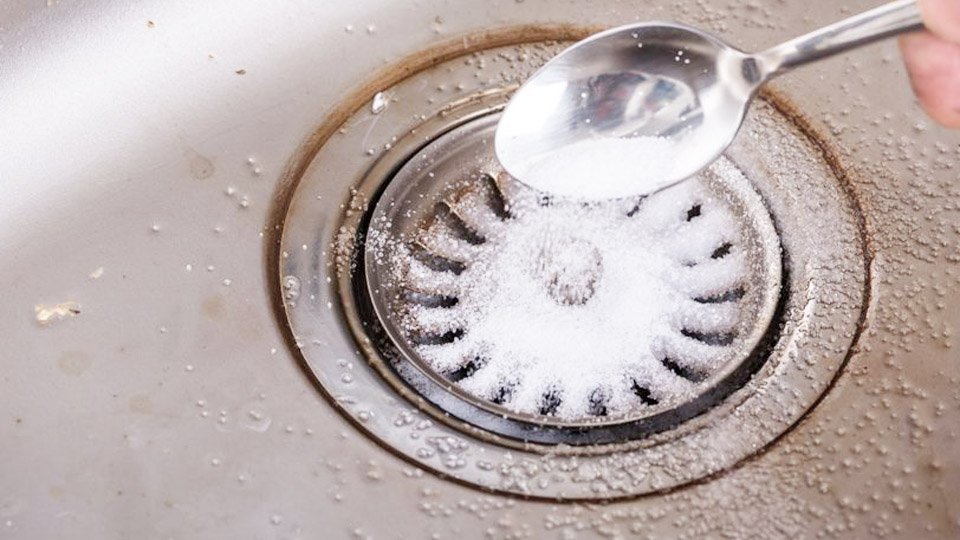
This is my go-to method because it’s affordable, eco-friendly, and uses items I already have in my pantry. Baking soda is a mild abrasive that helps lift stains, while vinegar’s acidity breaks down the dye. Together, they create a fizzy reaction that tackles grime without harsh chemicals.
What You’ll Need
- 1 cup baking soda
- 1/2 cup white vinegar
- Microfiber cloth or soft sponge
- Small bowl
- Rubber gloves
- Old towel
Step-by-Step Instructions
- Mix the Paste: In a small bowl, combine baking soda and vinegar to form a thick paste. It’ll fizz a bit—don’t worry, that’s normal!
- Apply to the Stain: Using a gloved hand or a spoon, spread the paste generously over the blue stains on the toilet seat.
- Let It Sit: Allow the paste to sit for 10–15 minutes. This gives the vinegar time to break down the dye.
- Scrub Gently: Use a microfiber cloth or soft sponge to scrub the stains in circular motions. Apply light pressure to avoid scratching the seat.
- Rinse and Wipe: Dampen a clean cloth with water and wipe away the paste. Dry the seat with a towel to prevent water spots.
- Repeat if Needed: For stubborn stains, repeat the process or let the paste sit longer (up to 30 minutes).
Why This Works
The combination of baking soda’s abrasiveness and vinegar’s acidity lifts the dye without damaging most toilet seat materials. I used this method on my plastic toilet seat, and the stains were gone after two rounds. It’s safe for kids and pets, too, since it’s non-toxic.
Do’s and Don’ts
- Do: Use fresh baking soda for maximum effectiveness.
- Don’t: Use a coarse scrubber, as it can scratch the seat.
- Do: Rinse thoroughly to remove all residue.
- Don’t: Mix with bleach-based cleaners.
Method 2: Rubbing Alcohol for Quick Stain Removal
When I need a fast fix, rubbing alcohol is my secret weapon. It’s great for dissolving dyes and is safe for most plastic and acrylic toilet seats. I discovered this trick when I spilled cleaner on my seat during a rushed cleaning session before guests arrived.
What You’ll Need
- 70% isopropyl alcohol
- Cotton balls or paper towels
- Microfiber cloth
- Rubber gloves
Step-by-Step Instructions
- Soak the Cloth: Pour a small amount of rubbing alcohol onto a cotton ball or paper towel.
- Apply to the Stain: Press the soaked cloth onto the blue stain and let it sit for 2–3 minutes to loosen the dye.
- Wipe Gently: Use the cloth to rub the stain in small circles. You should see the blue start to lift.
- Clean the Area: Wipe the seat with a damp microfiber cloth to remove any alcohol residue.
- Dry Thoroughly: Use a dry towel to prevent streaks or water marks.
Why This Works
Rubbing alcohol acts as a solvent, breaking down the dye molecules without harming the toilet seat’s finish. It’s quick and effective for fresh stains, like when I caught a spill right away.
Real-World Scenario
Imagine you’re prepping for a family gathering, and you notice blue stains on the guest bathroom toilet seat. Rubbing alcohol is perfect for this last-minute fix because it works fast and doesn’t require much elbow grease. Just be sure to ventilate the room, as the alcohol smell can be strong.
Safety Tip
Avoid using rubbing alcohol near an open flame, as it’s flammable. Also, test it on a hidden area first, as some painted or coated seats may react differently.
Method 3: Diluted Bleach for Stubborn Stains
For those really tough stains that won’t budge, diluted bleach can be a game-changer. I was hesitant to use bleach at first because I’d heard it could damage plastic seats, but when used correctly, it’s safe and effective.
What You’ll Need
- 1/4 cup chlorine bleach
- 1/4 cup water
- Paper towels or a soft cloth
- Rubber gloves
- Protective eyewear
- Old towel for drips
Step-by-Step Instructions
- Dilute the Bleach: Mix equal parts bleach and water in a small container.
- Rinse the Seat First: Wipe the toilet seat with water to remove any residual cleaner, as bleach can react with other chemicals.
- Apply the Solution: Soak a paper towel or cloth in the diluted bleach and press it onto the stain. Let it sit for 1–2 minutes.
- Wipe and Rinse: Remove the cloth and wipe the area with a damp cloth to remove the bleach. Rinse thoroughly with water.
- Dry the Seat: Use a dry towel to prevent water spots or streaks.
Why This Works
Bleach is a powerful disinfectant and stain remover that can dissolve tough blue dyes. Diluting it reduces the risk of damaging the toilet seat’s finish. This method saved my seat when a particularly stubborn stain resisted other cleaners.
Safety Warning
- Never use straight bleach, as it can strip the seat’s coating.
- Avoid mixing bleach with ammonia, vinegar, or other cleaners to prevent toxic fumes.
- Wear gloves and eyewear, and ensure good ventilation.
When to Use This Method
Reserve bleach for older, set-in stains or when other methods fail. I used it on a toilet seat that had been stained for weeks, and it worked like a charm after one application.
Method 4: Magic Eraser for a Polished Finish
If you’re a cleaning enthusiast like me, you probably have a Mr. Clean Magic Eraser stashed somewhere. These little sponges are fantastic for removing blue stains, especially on smooth surfaces like plastic or acrylic toilet seats.
What You’ll Need
- Mr. Clean Magic Eraser (or generic melamine foam sponge)
- Water
- Microfiber cloth
- Rubber gloves
Step-by-Step Instructions
- Wet the Eraser: Dampen the Magic Eraser with water and squeeze out excess moisture.
- Test First: Rub the eraser on a small, hidden area to ensure it doesn’t dull the seat’s finish.
- Scrub the Stain: Gently rub the stain in circular motions, applying light pressure. The eraser’s micro-abrasive texture will lift the dye.
- Wipe Clean: Use a damp microfiber cloth to remove any residue from the eraser.
- Dry the Seat: Dry with a towel for a polished look.
Why This Works
Magic Erasers work like ultra-fine sandpaper, gently removing the top layer of the stain without scratching the surface. I used this on a rental apartment’s toilet seat to avoid replacing it, and it looked brand new.
Do’s and Don’ts
- Do: Use light pressure to avoid dulling the seat.
- Don’t: Use on painted or wooden seats, as it can strip the finish.
- Do: Rinse the area thoroughly to remove eraser particles.
Real-World Scenario
Picture this: You’re a parent getting ready for a kid’s birthday party, and you notice blue stains on the toilet seat from a recent cleaning. A Magic Eraser is perfect for quick touch-ups, saving you time and stress before guests arrive.
Preventing Blue Stains in the Future
Once you’ve removed those pesky blue stains, you’ll want to keep them from coming back. Here are some tips I’ve learned from trial and error:
Clean Regularly: Wipe down the toilet seat weekly to prevent dye buildup. I set a reminder on my phone to make it a habit.
Avoid In-Tank Tablets: Those blue tablets can splash dye onto the seat when flushing. Opt for bowl-specific cleaners instead.
Store Cleaners Safely: Keep toilet bowl cleaner bottles in a cabinet, not on the toilet tank, to avoid spills.
Use a Toilet Brush: Apply cleaner directly to the bowl with a brush to minimize splashing.
Consider a New Seat: If stains keep returning, a new plastic or acrylic seat (around $20–$30) might be easier to maintain than an old, worn one.
Maintenance Checklist
- Wipe toilet seat with a damp cloth weekly.
- Check for leaks or spills from cleaner bottles.
- Flush the toilet after applying cleaner to rinse away excess dye.
- Inspect the seat for damage that might trap stains.
Comparing Cleaning Methods: Which Is Best for You?
Not sure which method to try first? Here’s a quick comparison to help you decide based on your needs:
| Method | Best For | Pros | Cons | Cost |
|---|---|---|---|---|
| Baking Soda & Vinegar | Light stains, eco-friendly cleaning | Affordable, safe, uses pantry items | May require multiple applications | $1–$2 |
| Rubbing Alcohol | Fresh stains, quick fixes | Fast, effective, widely available | Strong smell, flammable | $2–$5 |
| Diluted Bleach | Stubborn, set-in stains | Powerful, disinfects | Risk of damage if not diluted | $1–$3 |
| Magic Eraser | Smooth surfaces, quick touch-ups | Easy to use, minimal effort | Can dull finish if overused | $3–$6 |
For most households, start with baking soda and vinegar for safety and affordability. If you’re in a rush, try rubbing alcohol. Reserve bleach and Magic Erasers for tougher stains or when you’re confident about your seat’s material.
Troubleshooting Common Issues
Sometimes, cleaning doesn’t go as planned. Here are solutions to common problems I’ve encountered:
Stain Won’t Budge: Try letting the cleaner sit longer (up to 30 minutes) or switch to a stronger method like diluted bleach.
Seat Looks Dull: Overuse of abrasive cleaners like Magic Erasers can dull the finish. Polish with a small amount of car wax to restore shine.
Stains Keep Returning: Check if your water has high copper content or if you’re using in-tank tablets. Consider a water test or switch cleaners.
Cleaner Damaged the Seat: If the finish is stripped, you may need to replace the seat. Look for durable plastic seats at hardware stores.
A Cleaner, Happier Bathroom
Removing blue toilet cleaner stains from your toilet seat doesn’t have to be a daunting task. With the right tools and methods, you can restore your bathroom to its sparkling best, boosting your confidence and making your home feel fresher. Whether you’re a busy parent juggling school schedules or a renter aiming to keep your deposit, these simple, affordable solutions fit seamlessly into your routine.
I’ve used these methods in my own home, and they’ve saved me time, money, and stress. Regular cleaning and a few preventive habits will keep your toilet seat stain-free, so you can focus on enjoying your clean, hygienic bathroom. Try these tips today, and you’ll be amazed at how easy it is to banish those blue stains for good!
FAQ: Your Top Questions Answered
Can I use bleach directly on a toilet seat to remove blue stains?
No, avoid using straight bleach, as it can damage the seat’s finish or coating. Instead, dilute bleach with equal parts water and apply it carefully, as described in Method 3. Always rinse thoroughly and test on a hidden area first.
Is it safe to use a Magic Eraser on all toilet seats?
Magic Erasers are safe for most plastic or acrylic seats but can strip the finish on painted or wooden seats. Test on a small area first, and use light pressure to avoid dulling the surface.
Why do blue stains keep coming back on my toilet seat?
Recurring stains may be due to in-tank toilet bowl tablets, hard water with high copper content, or infrequent cleaning. Stop using tablets, clean weekly, and consider testing your water to address mineral issues.
Can vinegar alone remove blue toilet cleaner stains?
Vinegar alone may not be strong enough for tough stains but works well when combined with baking soda for added abrasiveness. Try Method 1 for the best results, or use rubbing alcohol for faster action.
What’s the cheapest way to remove blue stains from a toilet seat?
The baking soda and vinegar method is the cheapest, using pantry staples that cost less than $2. It’s effective for most light to moderate stains and safe for the whole family.