Ever notice how crumbs, dust, and pet hair seem to multiply overnight on your couch or kitchen floor? I’ve definitely been there—staring at a messy corner and wondering where to even start. That’s when I discovered the magic trick that changed my cleaning game: knowing how to use a car vacuum cleaner in house.
It might sound unconventional, but this little tool makes tackling stubborn nooks, carpets, and tiny corners so much faster. Not only does it save time, but it also keeps my home healthier and more inviting. Here’s what usually works for me…
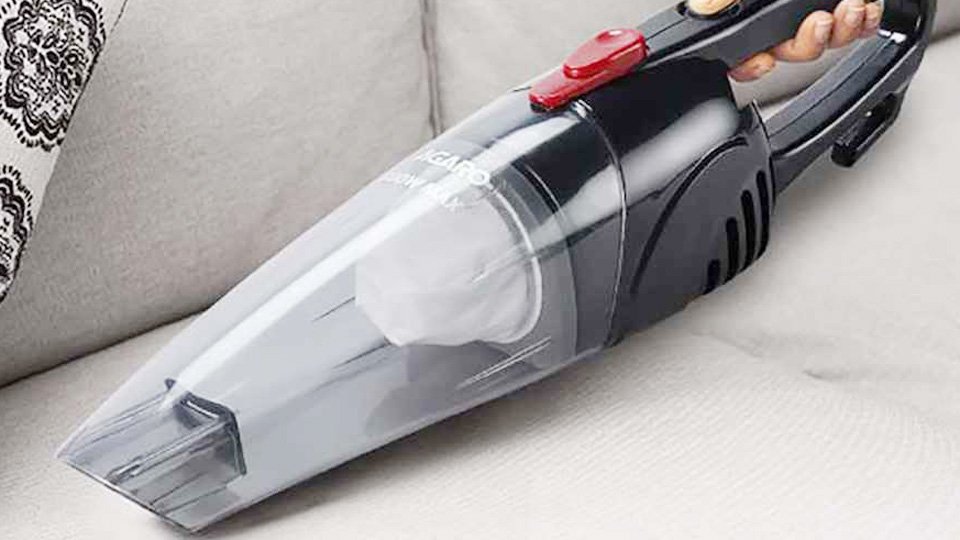
Image by agarolifestyle
What Is a Car Vacuum Cleaner and Why Bring It Indoors?
A car vacuum is essentially a portable, lightweight suction device designed for tight spaces like vehicle interiors. Most models are handheld, cordless or plug-in, with strong motors to pick up dirt, debris, and even liquids in some cases. They’re built tough for on-the-go use, often running on 12V power from a car’s cigarette lighter or rechargeable batteries.
But why use one in the house? From my experience cleaning countless homes, it’s all about convenience. Regular home vacuums are great for large areas, but they’re heavy and cumbersome for quick jobs. A car vac shines when you need to zap spills in the kitchen or freshen up upholstery without rearranging furniture.
It’s needed during allergy season, after parties, or when pets shed everywhere—think spring in the Midwest where pollen sneaks indoors. I’ve used mine to maintain hygiene in rental properties, where you can’t always rely on built-in systems.
Step-by-step to get started: First, check if your model is cordless (battery-powered) or needs a power source. If it’s 12V, you’ll need an adapter for home outlets—more on that later. Plug it in or charge it up, attach the basic nozzle, and test on a small area like a doormat. Empty the canister after each use to keep suction strong.
Common mistakes? Overlooking the filter—I’ve clogged mine by sucking up wet messes without checking if it’s wet/dry capable. Avoid by reading the manual first. Pro tip: Keep it in a kitchen drawer for instant access; it’s saved me during unexpected guest arrivals.
Choosing the Right Car Vacuum for Household Tasks
Not all car vacuums are created equal, especially for home use. I’ve tested dozens on jobs, from budget models to high-end ones. Cordless handheld types are my go-to for houses—they’re rechargeable via USB and easy to maneuver around furniture.
Why pick one over a standard home vac? It’s portable, so no dragging cords through rooms, and perfect for apartments without storage space. Use it when your main vacuum is too bulky for stairs or when you want eco-friendly, low-energy cleaning.
Here’s a quick comparison table based on what I’ve used:
| Type | Pros | Cons | Best For Home Use |
|---|---|---|---|
| Cordless Handheld | Lightweight, no cords, quick charge | Shorter runtime (20-30 mins) | Upholstery, shelves, quick spills |
| Corded 12V | Strong suction, unlimited runtime | Needs adapter for home, less portable | Deep cleaning rugs, pet hair |
| Wet/Dry | Handles liquids, versatile | Bulkier, pricier | Kitchen messes, bathrooms |
Step-by-step selection: Assess your home—big family with kids? Go wet/dry. Small apartment? Cordless. Test suction on carpet samples at the store if possible.
Mistakes to dodge: Buying cheap without HEPA filters; they just redistribute dust. I’ve learned the hard way—always opt for washable filters. Pro shortcut: Look for models with LED lights; they illuminate dark corners under beds.
Semantic terms like portable vacuum or mini vac fit here naturally, as they’re often interchangeable.
Powering Up Your Car Vacuum for Safe Home Use
Many car vacs run on 12V, meant for car outlets, so adapting them indoors is key. I’ve converted mine for home jobs countless times without issues.
Why needed? US homes use 110-120V AC, so direct plugging could fry the motor. Do this for extended sessions, like vacuuming an entire living room.
Step-by-step: Get a 110V AC to 12V DC converter (available at auto stores). Plug the converter into a wall outlet, connect your vac’s cord to it. Start on low power to test. For cordless, just charge via USB—simple as that.
Common pitfalls: Using the wrong amp rating; I’ve seen motors overheat. Match the converter to your vac’s draw (usually 5-10A). Safety first: Ensure good ventilation, wear gloves if handling dusty filters, and keep away from kids—I’ve child-proofed mine with a high shelf.
Pro tip: For eco-friendly power, use a solar charger for batteries. It’s cut my energy bills on sunny California days.
Essential Attachments and Tools for Indoor Cleaning
Attachments make a car vac a household hero. Standard ones include crevice tools for gaps, brush heads for fabrics, and extension wands for high spots.
Why bother? They target specific messes, like crumbs in couch cushions or dust on blinds, saving time over manual wiping.
Step-by-step setup: Snap on the crevice tool for baseboards, brush for upholstery. Vacuum in short bursts to avoid overheating.
Mistakes: Forcing attachments that don’t fit—I’ve bent nozzles that way. Check compatibility. Anecdote: Once, during a pet-sitting gig, the brush head pulled up embedded fur from a client’s rug effortlessly.
Pro shortcut: DIY a soft cloth over the nozzle for delicate surfaces like lampshades to prevent scratches.
Step-by-Step Guide to Vacuuming Floors and Carpets
For floors, a car vac works wonders on small rugs or hardwoods, especially in entryways where dirt piles up.
Why use it here? It’s quicker than sweeping, captures fine dust for better hygiene, and ideal post-meal cleanups.
Process: Clear the area of toys or clutter—safety reminder, trip hazards are real. Attach a wide nozzle if available. Start from the farthest corner, move in overlapping lines toward the door. Empty midway if full.
Avoid rushing; I’ve missed spots that way. Pro tip: Sprinkle baking soda first for odor control—let sit 15 minutes, then vac. It’s a natural, eco-friendly freshener I’ve used in smoky kitchens.
Tackling Upholstery and Furniture with Precision
Furniture is where car vacs excel—I’ve cleaned more sofas than I can count.
What: Sofas, chairs, cushions harbor allergens.
When: Weekly, or after snacks. Crucial for families with asthma.
Steps: Remove loose pillows, use brush attachment. Vacuum seams slowly, then flip cushions. For stains, spot-clean first with mild soap.
Mistakes: High suction on delicate fabrics—tears happen. Test on hidden areas. Tip: For pet hair, rub with a damp rubber glove first; it clumps for easy pickup.
Anecdote: Helped a renter friend remove embedded crumbs from her thrift-store couch, transforming it without chemicals.
Conquering Hard-to-Reach Areas and Corners
Those nooks under cabinets or behind appliances? A car vac’s slim design is perfect.
Why: Dust buildup leads to pests or poor air quality.
Steps: Use crevice tool, extend if possible. Work top-down: ceilings, vents, then baseboards. Ventilate the room—open windows to avoid inhaling dust.
Common error: Overextending and straining your back. Bend knees, take breaks. Pro: For high shelves, attach to a broom handle with tape for reach.
Safety: Gloves on for cobwebs; I’ve avoided spider surprises that way.
Handling Kitchen Messes and Quick Spills
Kitchens are mess magnets—crumbs, spills, you name it.
What: Counter crumbs, floor spills.
When: Daily, to prevent bacteria.
Steps: For dry messes, straight vac. Wet? Use wet/dry model or blot first. Focus on under tables, appliance gaps.
Avoid vacuuming large liquids without proper mode—clogs ensue. Tip: Eco-option, use vinegar spray pre-vac for grease.
Anecdote: During a holiday rush, my car vac saved the day on spilled flour, quicker than a broom.
Bedroom and Bathroom Cleaning Hacks
Bedrooms need gentle touch for mattresses; bathrooms for hair and soap scum.
Why: Sleep hygiene, mold prevention.
Steps for bed: Strip sheets, vac mattress with upholstery tool. Bathroom: Crevice for grout, brush for sinks.
Mistakes: Wet vac in humid baths—rust risk. Dry thoroughly. Pro: Add essential oils to filter for fresh scent.
Child safety: Unplug when done, store high.
Dealing with Pet Hair and Allergens Effectively
Pets are family, but their fur isn’t welcome everywhere.
What: Shedding on rugs, beds.
When: Seasonal sheds.
Steps: Brush attachment in circular motions. Empty often.
Avoid static-prone fabrics; dampen slightly. Tip: DIY lint roller alternative—tape wrapped around hand.
I’ve helped allergy-prone clients reduce symptoms this way.
Common Mistakes When Using Car Vacuums Indoors
Even pros slip up. Top one: Not emptying the canister—suction drops fast. I’ve done it mid-job, frustrating.
Another: Ignoring maintenance, leading to breakdowns. Overusing on thick carpets strains motors.
How to avoid: Schedule weekly checks. Use on suitable surfaces.
Pro: If it smells burning, stop immediately—overheat sign.
Maintenance and Storage Tips for Longevity
Keep it running like new. Wash filters monthly, air-dry.
Why: Prolongs life, maintains suction.
Steps: Disassemble, rinse under water (if washable), reassemble dry.
Storage: Cool, dry spot like a closet hook. Anecdote: Mine lasted years with this routine.
Eco-tip: Recycle old filters properly.
Eco-Friendly Alternatives and DIY Options
Go green: Opt for battery models over corded to save energy.
DIY: Make a vac from a shop fan and bucket—basic but effective for large debris.
Pros of eco: Less waste, natural cleaners like baking soda.
Cons: DIY lacks power. I’ve mixed both for balanced cleaning.
Safety: Avoid harsh chemicals; ventilate always.
Conclusion
There you have it—my tried-and-true insights on how to use a car vacuum cleaner in the house. By now, you can tackle messes faster, smarter, and safer, whether it’s a quick couch refresh or a full room blitz. You’ll save time for what matters, like family game nights, while keeping your home hygienic and allergen-free.
One final pro tip: Always start with a full charge or fresh adapter to avoid mid-clean interruptions. Give it a try next time crumbs strike—you’ll wonder why you didn’t sooner.
FAQ
Can I use my car vacuum on hardwood floors without scratching them?
Absolutely, just attach a soft brush head or wrap the nozzle in a microfiber cloth. I’ve done this in countless wood-floored homes—gentle passes pick up dust without marks. Test a small spot first.
What’s the best way to clean the car vacuum itself after home use?
Disassemble the canister and filter, rinse with warm water (no soap unless specified), and air-dry completely. I do this weekly to prevent odors—keeps it fresh for the next job.
Are there any safety risks when using a car vacuum indoors?
Main ones are overheating or electrical issues with adapters—always use rated converters and unplug when not in use. For families, store out of kids’ reach to avoid accidental starts.
How does a car vacuum compare to a regular handheld for house cleaning?
Car vacs are more compact and powerful for tight spots, but handhelds might have better battery life. I’ve switched based on the task—car vac wins for versatility in US apartments.
Can I vacuum wet messes in the house with a car vacuum?
Only if it’s a wet/dry model—check the specs. For others, blot liquids first with a towel. This prevents motor damage, something I’ve learned from soggy kitchen spills.