I’ve spent years scrubbing bathroom tiles—both in my own home and as a professional cleaner—and let me tell you, there’s something oddly satisfying about transforming grimy grout and dull tiles into a sparkling masterpiece. One of my go-to secrets? Baking soda. If you’re wondering how to use baking soda for cleaning bathroom tiles, you’re in for a treat.
This pantry staple is affordable, eco-friendly, and tough on dirt, soap scum, and mildew. Whether you’re a homeowner, renter, or a busy parent juggling a million tasks, this guide will walk you through practical, hands-on methods to make your bathroom tiles shine.
Why does this matter? Clean bathroom tiles aren’t just about aesthetics. They promote hygiene by tackling mold and bacteria, keep your space safe from slippery surfaces, and save you money by avoiding pricey commercial cleaners. Plus, a clean bathroom just feels good. Let’s dive into the nitty-gritty of using baking soda to get those tiles gleaming, with step-by-step processes, pro tips, and real-world advice from someone who’s been there, sponge in hand.
Image by tiledoctor
Why Baking Soda Is a Game-Changer for Bathroom Tile Cleaning
What Is Baking Soda?
Baking soda, or sodium bicarbonate, is a mild abrasive and natural deodorizer. It’s a white, powdery substance you probably already have in your kitchen. Unlike harsh chemical cleaners, it’s non-toxic, safe for most surfaces, and gentle enough for regular use. In the cleaning world, it’s a superstar for breaking down grease, lifting stains, and neutralizing odors.
Why Use It for Bathroom Tiles?
Bathroom tiles face a daily onslaught of soap scum, hard water stains, and mildew, especially in humid environments. Baking soda’s abrasive texture scrubs away grime without scratching tiles, while its alkaline nature cuts through acidic stains like soap residue.
It’s also dirt-cheap—pun intended—costing pennies per use compared to $5-$10 for specialty cleaners. For eco-conscious households, it’s a sustainable choice that reduces plastic waste from store-bought bottles.
When Should You Use Baking Soda?
Use baking soda for routine tile maintenance or when you notice soap scum buildup, grout discoloration, or musty odors. It’s ideal for ceramic and porcelain tiles but proceed with caution on natural stone (like marble), as it can be too abrasive. I once tackled a client’s shower with baking soda paste after weeks of neglect, and the transformation was jaw-dropping—no harsh fumes, no hefty price tag.
Step-by-Step Guide: Cleaning Bathroom Tiles with Baking Soda
What You’ll Need
- Baking soda (about 1 cup per small bathroom)
- White vinegar (optional, for tougher stains)
- Warm water
- Spray bottle
- Soft sponge or microfiber cloth
- Old toothbrush for grout
- Bucket or bowl
- Gloves (to protect your hands)
- Clean, dry towel
Why This Process Works
Baking soda’s gentle abrasiveness lifts dirt, while vinegar (if used) reacts with it to fizz and loosen stubborn grime. This combo mimics the power of commercial cleaners but is safer for kids, pets, and the environment. I’ve used this method in countless homes, from tiny apartment bathrooms to sprawling suburban ones, and it’s never let me down.
Step-by-Step Process
Clear the Area: Remove bath mats, toiletries, or anything cluttering your tiles. This gives you full access and prevents slipping on wet surfaces. I learned this the hard way after tripping over a shampoo bottle mid-scrub.
Dry Dust or Sweep: Use a dry cloth or broom to remove loose dirt, hair, or dust. This prevents smearing debris around when you start scrubbing.
Make a Baking Soda Paste: Mix 3 parts baking soda with 1 part warm water in a bowl (e.g., 3 tablespoons baking soda to 1 tablespoon water). Stir until it forms a thick, spreadable paste. For small jobs, a quarter-cup of baking soda is enough.
Apply the Paste: Spread the paste onto the tiles using a sponge or cloth. Focus on stained areas or grout lines. I like to work in small sections (about 2×2 feet) to keep things manageable.
Let It Sit: Allow the paste to sit for 5-10 minutes to loosen grime. For tough stains, let it sit for up to 15 minutes. I once left it on a client’s mildewy grout for 20 minutes, and it worked like magic.
Scrub Gently: Use a soft sponge or toothbrush to scrub the tiles and grout. The baking soda’s grit does most of the work, so don’t overdo it—gentle circular motions are best.
Optional Vinegar Boost: For stubborn soap scum or hard water stains, fill a spray bottle with equal parts white vinegar and water. Lightly mist the pasted tiles. You’ll see a fizzing reaction as the vinegar and baking soda combine to break down grime. Be cautious—too much vinegar can etch delicate surfaces.
Rinse Thoroughly: Wipe away the paste with a damp cloth or sponge, then rinse with warm water. I use a handheld showerhead for this step when possible—it’s a game-changer for getting every nook and cranny.
Dry and Buff: Use a clean, dry towel to wipe the tiles dry. This prevents water spots and gives them a polished shine. I always keep a stack of old towels for this; they’re perfect for absorbing moisture.
Common Mistakes to Avoid
Using Too Much Water: A soupy paste won’t stick to tiles and reduces scrubbing power. Aim for a thick consistency.
Skipping Gloves: Baking soda is gentle, but frequent use can dry out your skin. I learned this after a marathon cleaning session left my hands feeling like sandpaper.
Overusing Vinegar: Too much vinegar can damage grout or delicate tiles. Use it sparingly and only when needed.
Not Rinsing Properly: Leftover baking soda residue can leave a powdery film. Rinse thoroughly to avoid this.
Pro Tips and Shortcuts
Batch Prep: Mix a larger batch of paste and store it in an airtight container for quick touch-ups.
Grout Focus: For stained grout, use a toothbrush and apply extra paste. I’ve saved many a grout line with this trick.
Ventilation: Open a window or turn on the bathroom fan to avoid inhaling baking soda dust or vinegar fumes.
Quick Fix: For small stains, sprinkle dry baking soda on a damp sponge and scrub directly—no paste needed.
Comparing Baking Soda to Other Tile Cleaning Methods
Here’s a quick comparison table based on my experience cleaning bathrooms across the US, from humid Florida condos to dry Colorado homes.
| Method | Pros | Cons | Best For |
|---|---|---|---|
| Baking Soda Paste | Cheap, eco-friendly, non-toxic, effective on soap scum | Takes elbow grease, not ideal for natural stone | Routine cleaning, budget-conscious households |
| Vinegar Solution | Cuts through hard water stains, affordable | Strong smell, can damage grout if overused | Tough stains, well-ventilated spaces |
| Commercial Cleaners | Fast-acting, specialized formulas | Expensive, chemical-heavy, plastic waste | Heavy-duty jobs, time-crunched users |
| Steam Cleaning | Chemical-free, kills bacteria | Requires equipment, time-consuming | Deep cleaning, allergy-prone homes |
Why Baking Soda Wins for Most Households
Baking soda strikes a balance between cost, safety, and effectiveness. I’ve used it in homes with kids and pets where harsh chemicals were a no-go. It’s also versatile—beyond tiles, it tackles sinks, tubs, and even deodorizes drains. Once, I helped a renter avoid a cleaning fee by using baking soda to revive their apartment’s dingy bathroom tiles before moving out.
Eco-Friendly and DIY Alternatives
Why Go Eco-Friendly?
Chemical cleaners can irritate skin, lungs, and eyes, and their plastic bottles clog landfills. Baking soda is biodegradable, safe for septic systems, and comes in recyclable packaging. It’s a win for the planet and your wallet.
DIY Baking Soda Recipes
All-Purpose Tile Spray: Mix 1/4 cup baking soda, 1/2 cup white vinegar, and 1 cup water in a spray bottle. Shake well and use for quick cleanups. I keep this in my cleaning caddy for spot treatments.
Grout Brightener: Combine 1/2 cup baking soda, 1/4 cup hydrogen peroxide, and 1 teaspoon dish soap. Apply to grout, let sit for 5 minutes, scrub, and rinse. This saved my own bathroom’s grout from looking like a science experiment.
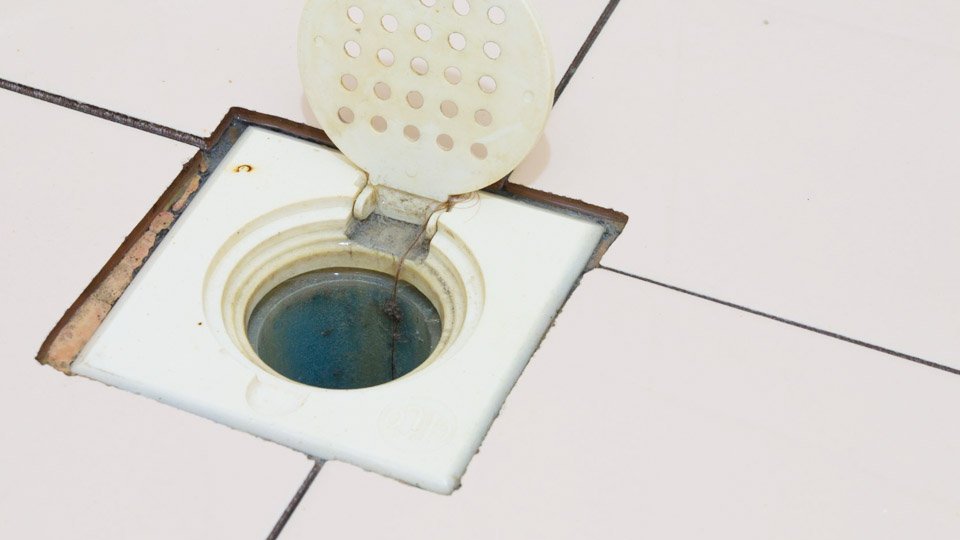
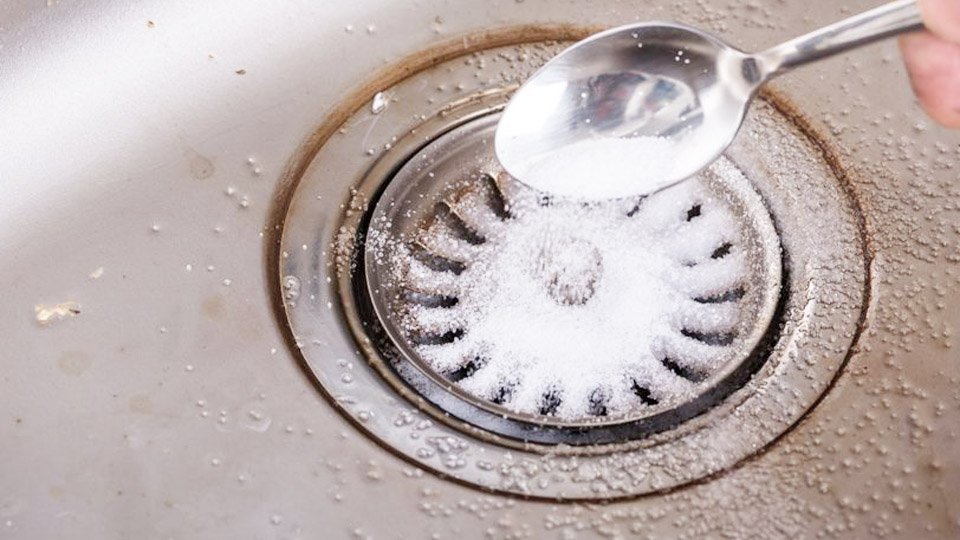
Odor Eliminator: Sprinkle dry baking soda in the bathroom drain, let it sit for 10 minutes, then flush with hot water. It keeps things fresh between deep cleans.
Safety Precautions
Test First: Always test baking soda on a small, hidden tile area to ensure it won’t scratch or dull the finish.
Child Safety: Store baking soda out of reach of kids. It’s non-toxic, but ingestion can cause stomach upset.
Ventilation: Use in a well-ventilated area, especially if combining with vinegar, to avoid inhaling fumes.
Surface Caution: Avoid using on natural stone like marble or granite unless you’re sure it’s sealed. I once saw a client’s marble vanity get etched because they went overboard with baking soda.
Real-World Cleaning Challenges and Solutions
Tackling Hard Water Stains
Hard water stains are the bane of many US bathrooms, especially in areas with mineral-heavy water like Texas or Arizona. I’ve tackled these in clients’ homes by using the vinegar-baking soda combo. Apply the paste, spritz with vinegar, let it fizz for 10 minutes, then scrub. For stubborn spots, repeat the process. One client swore her shower looked brand-new after this trick.
Banishing Mildew
Mildew loves humid bathrooms, especially in older homes or apartments with poor ventilation. I once cleaned a rental unit in Seattle where the grout was practically black. Baking soda paste, a toothbrush, and 15 minutes of elbow grease made it look move-in ready. For prevention, run a fan or open a window post-shower and clean tiles weekly with baking soda.
Quick Fixes for Busy Families
If you’re juggling kids, work, and a million other tasks, you don’t have hours to scrub. I get it—I’ve been there. Keep a spray bottle of the all-purpose tile spray handy. A quick spritz and wipe-down after showers prevents buildup. For a deeper clean, tackle one small section (like the shower floor) each week to spread out the work.
Maintaining Sparkling Tiles Long-Term
Routine Cleaning Schedule
Clean tiles weekly with baking soda paste to prevent grime buildup. I recommend setting aside 15 minutes every Sunday—pair it with a podcast, and it’s almost fun. For high-traffic bathrooms, do a quick spray-and-wipe every few days.
Tools for the Job
- Microfiber Cloths: These grab dirt better than cotton rags and are reusable. I buy them in bulk for client jobs.
- Squeegee: Use after showers to reduce water spots. I keep one in my own bathroom for daily use.
- Toothbrush: Perfect for grout and tight corners. I repurpose old ones for cleaning.
Prevention Tips
Ventilation: Run a fan or crack a window during and after showers to reduce humidity and mildew risk.
Seal Grout: Apply a grout sealer every 6-12 months to protect against stains. I learned this after a client’s grout kept darkening despite regular cleaning.
Wipe Down: A quick swipe with a microfiber cloth after showers keeps tiles looking fresh.
Conclusion
Using baking soda for cleaning bathroom tiles is a game-changer for anyone who wants a sparkling, hygienic bathroom without breaking the bank or harming the environment. From tackling soap scum to brightening grout, this simple ingredient delivers results that rival expensive cleaners.
With the step-by-step guide above, you can clean smarter, faster, and safer—whether you’re a busy parent, a renter on a budget, or a pro housekeeper like me. Keep a small container of baking soda paste pre-mixed in your bathroom for quick touch-ups. It’s a lifesaver when unexpected guests drop by!
FAQ
Can I Use Baking Soda on All Types of Bathroom Tiles?
Not quite. Baking soda is safe for ceramic and porcelain tiles but can scratch or dull natural stone like marble or granite. Test it on a small area first. For stone tiles, consult a professional or use a pH-neutral cleaner.
How Often Should I Clean Bathroom Tiles with Baking Soda?
Weekly cleaning with baking soda paste keeps tiles and grout in top shape. For busy households, a quick spray-and-wipe every few days prevents buildup. Deep clean monthly for high-traffic bathrooms.
Is Baking Soda Safe for Grout?
Yes, baking soda is great for grout—it lifts stains and brightens without damaging. Just avoid overusing vinegar, as it can weaken grout over time. Scrub gently with a toothbrush for best results.
Can I Mix Baking Soda with Other Cleaners?
Stick to water or vinegar for mixing with baking soda. Combining it with bleach or ammonia can create harmful fumes. I learned this early in my cleaning days—always check product labels!
What’s the Best Way to Remove Hard Water Stains from Tiles?
Combine baking soda paste with a vinegar spray for hard water stains. Apply the paste, mist with vinegar, let it fizz for 10 minutes, then scrub and rinse. Repeat for stubborn spots.