Cooking always makes my kitchen feel alive—but once the dishes are done, the real challenge begins: cleaning up the mess. Grease splatters on the stove, crumbs tucked into corners, and that mysterious sticky spot on the counter seem to appear out of nowhere. That’s when I turn to one of my favorite cleaning staples—baking soda.
If you’ve ever wondered how to use baking soda for cleaning your kitchen, you’ll be surprised at just how powerful this humble ingredient is. It cuts through grime, deodorizes, and restores shine without any harsh chemicals. I’ve found it to be the perfect balance of gentle and effective—exactly what every busy kitchen needs.
Image by thespruce
Why Baking Soda is a Kitchen Cleaning Superhero
Baking soda—sodium bicarbonate—isn’t just for cookies. It’s mildly abrasive, cuts through grease, neutralizes acids, and absorbs odors like a sponge.
I remember my first big kitchen overhaul. A client’s oven was so caked with burnt-on gunk, store-bought cleaners bounced right off. I sprinkled baking soda, added vinegar, and watched it fizz away years of neglect. Boom—spotless in under an hour.
Why choose it over fancy sprays? It’s non-toxic, safe around kids and pets, and eco-friendly. No fumes to choke on, and it leaves no residue. Plus, at under $1 a box, you’ll laugh at those $10 bottles gathering dust.
When to Use Baking Soda (and When to Skip It)
Reach for baking soda on everyday grease, stains, and smells. It’s perfect for counters, appliances, and floors.
Skip it on delicate surfaces like unsealed wood or aluminum—it can scratch or discolor. For heavy rust or mold, pair it with other tools, not solo.
In my experience, it’s a daily hero but not a miracle for porcelain tubs (that’s bleach territory). Test a small spot first, always.
Step-by-Step: Cleaning Your Counters and Backsplash
Counters take the brunt—spills, crumbs, endless wiping. Baking soda shines here.
What you’ll need: Baking soda, warm water, sponge, optional lemon.
- Sprinkle a thick layer of baking soda over the surface. Wet spots first for better paste.
- Add a splash of water or lemon juice. Scrub in circles with a damp sponge. Watch grease lift like magic.
- Let sit 10-15 minutes for tough spots. Rinse and wipe dry with a microfiber cloth.
For cutting boards, make a paste with baking soda and salt. Rub in, rinse—kills bacteria naturally. I do this weekly; my boards stay fresh without warping.
Last week, coffee stains from my morning rush vanished in seconds. No streaks, just shine.
Tackling the Sink and Drains Like a Pro
Stainless steel sinks dull fast. Baking soda polishes without scratching.
Steps:
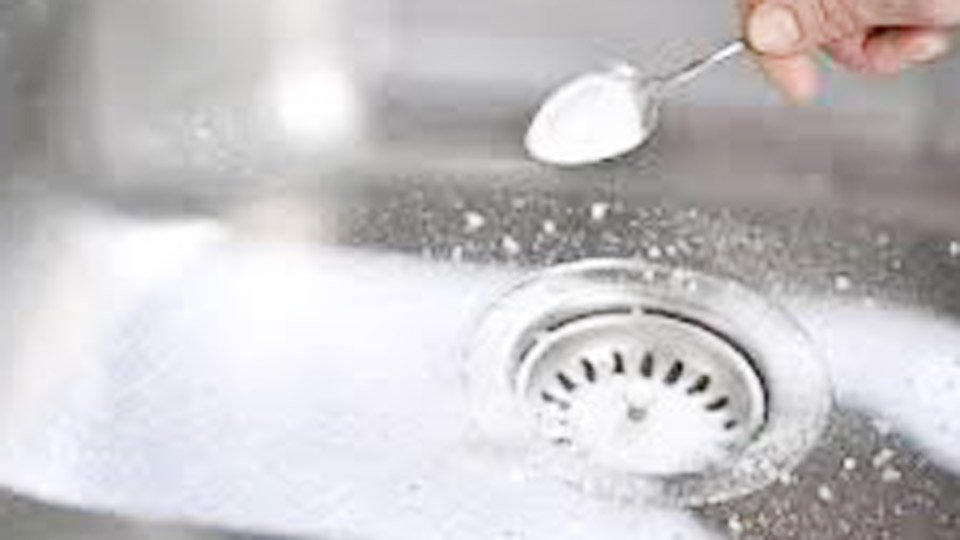
- Wet the sink. Sprinkle ½ cup baking soda.
- Scrub with a soft brush. Focus on faucets and crevices.
- For drains: Pour ½ cup baking soda, then 1 cup vinegar. Cover, wait 15 minutes, flush with hot water.
I’ve unclogged more drains this way than any plunger. The fizzing reaction breaks down gunk—odor gone, flow restored. Do it monthly; your nose will thank you.
Oven Cleaning Without the Fumes
Ovens are my nemesis. Self-clean cycles stink up the house.
My no-oven-mitt-needed method:
- Mix ½ cup baking soda with water to form paste. Spread inside (avoid heating elements).
- Spray vinegar generously. Close door, let sit overnight.
- Wipe with damp cloth. Stubborn bits? Scrape gently with plastic scraper.
First time I tried this on my ancient oven, it looked new. No harsh gels, just elbow grease and patience. Repeat quarterly.
Safety note: Wear gloves; ventilate if sensitive.
Microwave Magic in Minutes
Splattered tomato sauce? Baking soda zaps it.
- Mix 2 tbsp baking soda in 1 cup water. Microwave 5 minutes (steams loose grime).
- Let sit 5 minutes. Wipe with baking soda-dampened cloth.
I clean mine daily this way—zero scrubbing. Clients beg for the trick.
Freshening the Fridge and Freezer
Odors from forgotten leftovers? Baking soda’s your deodorizer.
- Wipe shelves with baking soda-water solution (1 tbsp per cup).
- Place open box in back for ongoing freshness.
- For drawers: Sprinkle, scrub, rinse.
Changed my fridge game. No more fishy smells after salmon night.
Stovetop and Range Hood Revival
Burnt-on spills on glass or coils?
Glass stovetop:
- Sprinkle baking soda. Spray vinegar.
- Let bubble 10 minutes. Scrape with razor blade (held flat).
Coils: Soak in baking soda paste overnight.
I’ve restored dozens of stovetops. Looks factory-fresh, no abrasives needed.
Floor Cleaning for Sparkling Tiles
Greasy footprints? Baking soda scrub rules.
- Sweep first. Mix ½ cup baking soda in mop bucket with hot water.
- Mop thoroughly. For grout: Paste, brush, rinse.
Non-slip, deodorizing, and cheap. I use it in commercial kitchens too.
Pots, Pans, and Dishwasher Boost
Crusty pans? Soak in hot water + ¼ cup baking soda overnight. Scrub—done.
Add 1 cup to dishwasher for shine and odor control.
Saved my cast iron more times than I can count.
Baking Soda Mixtures: Level Up Your Cleaning
Pure baking soda is great, but combos kill it.
| Mixture | Best For | How to Make & Use |
|---|---|---|
| Baking Soda + Vinegar | Grease, drains, ovens | 1:1 ratio. Spray vinegar on soda; fizz attacks grime. Rinse after 10-30 min. |
| Baking Soda + Dish Soap | Counters, sinks | 3 tbsp soda + 1 tsp soap + water. Paste for stains. |
| Baking Soda + Lemon | Cutting boards, smells | Juice half lemon into ¼ cup soda. Rub, rinse—antibacterial shine. |
| Baking Soda + Hydrogen Peroxide | Tough stains | ½ cup each. Paste for stovetops. (Test first!) |
These are my “emergency kit.” Vinegar’s acidic fizz + soda’s scrub = power couple.
Baking Soda vs. Commercial Cleaners: The Real Deal
| Feature | Baking Soda | Store-Bought Sprays |
|---|---|---|
| Cost | $0.50/box (lasts months) | $5-10/bottle (weeks) |
| Safety | Kid/pet-safe, no fumes | Chemicals, gloves needed |
| Effectiveness | Excellent on grease/odors | Fast but residues |
| Eco-Impact | Biodegradable | Plastic waste, pollutants |
| Versatility | 20+ uses | 1-2 surfaces only |
I’ve ditched commercials years ago. Baking soda wins on wallet and health.
Common Mistakes I’ve Learned the Hard Way
Don’t dump dry soda down drains—it clumps without vinegar.
Over-scrub delicate granite; use soft cloth.
Never mix with bleach—toxic gas!
My oops: Once baked soda into cookies by mistake. Tasty, but lesson learned—label your bowls.
Pro Tips from 15 Years in the Trenches
- Stock up: Arm & Hammer pure baking soda—no additives.
- Storage: Airtight jar away from moisture.
- Boost with essential oils: Lavender in fridge box for spa vibes.
- Microfiber magic: Pairs perfectly; traps residue.
- Test colors: On fabrics/appliances.
One client hack: Baking soda foot soak post-cleaning. Bliss.
For commercial kitchens, I scale up—buckets of paste for floors.
Maintaining Your Kitchen Cleanliness Long-Term
Weekly bakesoda wipe-downs prevent buildup. Monthly deep cleans keep it effortless.
I’ve seen kitchens go from disaster to delight with consistency.
Conclusion: Clean Smarter, Not Harder
You’ve got the blueprint—how to use baking soda for cleaning kitchen like a pro. From greasy counters to stinky fridges, this powerhouse handles it all naturally.
My final lesson? Start small. Tackle one area today; build momentum. Your kitchen will smell amazing, shine brighter, and thank you with fewer headaches.
Grab that box and dive in—you’ll wonder how you lived without it.
FAQ
Can I use baking soda on stainless steel appliances?
Yes! It polishes without scratches. Make a paste, rub gently, rinse dry for fingerprint-free shine.
Does baking soda remove burnt-on food from pans?
Absolutely. Soak overnight in hot water + soda, scrub—poof, gone. Works on nonstick too.
Is baking soda safe for septic systems?
Totally. It’s natural and breaks down grease without harming bacteria.
How often should I clean my oven with baking soda?
Every 3 months for light use, monthly for heavy bakers. Overnight paste method keeps it easy.
Can baking soda kill kitchen bugs like ants?
Sprinkle trails; they carry it back, dehydrates colony. Pair with vinegar wipe for full effect.