I finally pulled out my Bissell Carpet Cleaner Little Green Pro after a mystery stain showed up on the carpet. If you’ve ever stared at a stubborn spot wondering whether this little machine actually works, you’re not alone—I’ve been there too.
Once I figured out how to use it properly, though, it became a total lifesaver for spills, pet messes, and high-traffic areas. Using it the right way doesn’t just get carpets cleaner; it saves time, prevents odors from setting in, and keeps stains from becoming permanent eyesores. Here’s how I use mine to get the best results every time.
Image by sheknows
What the Bissell Little Green Pro Is and How It Works
The Bissell Little Green Pro is a compact, portable deep cleaner designed for tackling spots and stains on carpets, upholstery, stairs, and even car interiors. It’s not a full-size carpet shampooer; think of it as a targeted spot remover with suction power that pulls out dirt and moisture from fabrics. At its core, it uses a combination of hot water, cleaning formula, and a built-in brush to agitate and extract grime.
From my experience, what sets it apart is the heatwave technology that keeps the water warm during use, which helps break down tough stains like mud or grease better than cold water alone. The machine has two tanks: one for clean water mixed with formula and a separate dirty water tank that collects the extracted mess. The flexible hose and attachments make it easy to reach awkward spots, like under furniture or along baseboards.
I’ve used it in homes ranging from small apartments to larger family houses, and it’s lightweight enough—about 13 pounds—to carry around without straining your back. It plugs into a standard outlet, so no batteries to worry about, but that means planning around cord length for bigger jobs.
When to Use the Bissell Little Green Pro (and When to Skip It)
I pull out my Little Green Pro for quick interventions on fresh or set-in stains that a regular vacuum can’t handle. It’s perfect for pet urine on rugs, food spills on couches, or tracked-in dirt on car mats. In my own home, with two dogs who love muddy paws, it’s a go-to for maintaining that fresh feel without hauling out bigger equipment.
Use it when you notice odors persisting after surface cleaning—deep extraction pulls out embedded particles that cause smells. It’s also great for allergy sufferers; I’ve seen it reduce dust mite issues in upholstered furniture by removing allergens trapped in fibers.
But there are times I avoid it. For very delicate fabrics like silk or antique upholstery, it’s too aggressive—I once lightly damaged a vintage chair by not checking the tag first. Skip it for large areas; it’s not efficient for whole-room cleaning. If the stain is from something oily or chemical-based that might spread, test a small area. And never use it on hardwood or unsealed surfaces where water could cause warping.
In humid climates, like parts of the Southeast US, I wait for drier days to use it, as fabrics take longer to dry and could mildew. Always vacuum first to remove loose debris; otherwise, you’re just pushing dirt around.
Step-by-Step: How I Use the Bissell Little Green Pro at Home
Let me walk you through how I tackle a typical job, like cleaning a pet stain on the carpet. I always start by gathering supplies in one spot to avoid mid-clean interruptions.
First, assemble the machine if it’s your first time—it’s straightforward. Snap the hose into place and attach the tool, like the 3-inch tough stain brush for small spots or the 6-inch upholstery tool for larger areas. Unwrap the cord and plug it in near your work area.
Next, fill the clean tank. I lift it off the back using the handle—it’s flat-bottomed for stability. Unscrew the cap, pop out the insert, and add hot tap water up to the fill line. I measure two ounces of Bissell formula (about a quarter cup) and pour it in.
For eco-friendly options, I’ve experimented with a mix of white vinegar and water for lighter stains, but stick to Bissell products for tougher jobs to avoid voiding the warranty. Replace the insert and cap, then seat the tank securely.
Before spraying, pretreat if needed. For a urine spot, I spray Bissell pretreat formula and let it sit for three minutes. This step is crucial—I’ve skipped it before and had to redo the whole thing.
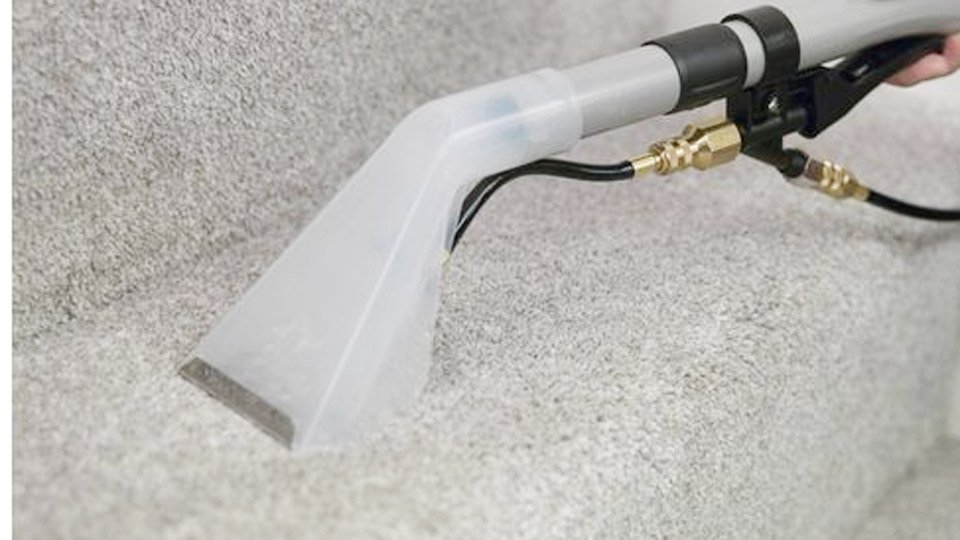
Now, the cleaning: Hold the tool about an inch above the stain. Press the trigger to spray solution while the machine is on. Gently scrub with the brush attachment, applying light pressure. Then, release the trigger and pull the tool toward you to suction up the dirty water. I do this in overlapping passes until no more dirt comes up.
For upholstery, I check the fabric code first—”W” or “WS” means it’s safe. I hold the hose end below the tank water level briefly to prime the pump if spray is weak.
After, empty the dirty tank when it hits the full line. Rotate the handle, lift the lid, pour out over a sink, and rinse. Wipe the red filter clean. This prevents clogs—I’ve learned that the hard way after a muddy job left residue.
Finally, rinse the hose by suctioning clean water through it. Let everything air dry before storing.
In a real session, this takes 10-20 minutes per spot, depending on size. I always work in a well-ventilated area and wear gloves for sensitive skin.
Common Mistakes I’ve Made (and How to Avoid Them)
I’ve botched a few cleanings, but each taught me something valuable. One big mistake is over-wetting the fabric. I once soaked a couch cushion so much that it took days to dry, leading to a musty smell. Now, I spray sparingly and suction thoroughly—multiple dry passes help pull out excess moisture.
Another error: Not priming the pump. If the spray is spotty, hold the hose low in the tank for a few seconds. I’ve fixed weak suction by reseating tanks snugly; they can shift during use.
Ignoring fabric tags is a rookie move. I damaged a velvet chair once—now I always test a hidden spot. Also, don’t use non-Bissell formulas without checking; some foam up too much and clog the system.
Rushing the process leads to streaks. I take my time scrubbing gently to avoid fraying fibers, especially on Berber carpets where repeated strokes can cause fuzzing.
Pro tip: If you’re dealing with old stains, layer pretreat and let it penetrate longer—up to 15 minutes in my tests—before extracting.
Choosing the Right Cleaning Solutions and Accessories for Your Home
The Little Green Pro shines with the right extras. I stick to Bissell formulas like the Multi-Purpose or Pet Stain & Odor for my needs. For households with kids, the antibacterial versions add peace of mind.
Accessories make a difference. The standard tough stain tool is my everyday pick, but for stairs, the crevice tool reaches tight spots. I’ve added a pet turbo brush for fur-heavy homes—it agitates better than the basic one.
Eco options: For light cleaning, I mix equal parts white vinegar and water with a drop of dish soap. It’s cheap and effective on non-greasy stains, but rinse well to avoid residue. Baking soda sprinkled pre-vacuum helps with odors.
Compare formulas in a quick table:
| Solution Type | Best For | Pros | Cons |
|---|---|---|---|
| Bissell Multi-Purpose | General stains | Effective, machine-safe | Pricier |
| Pet Stain & Odor | Animal messes | Neutralizes smells | Strong scent initially |
| Vinegar Mix (DIY) | Light spots | Inexpensive, natural | Less powerful on deep grime |
In US stores like Walmart or Amazon, stock up during sales—I’ve saved bundles that way.
DIY Methods vs. Professional Solutions
I’ve tried it all, from homemade remedies to calling pros. DIY with the Little Green Pro is my default for cost and convenience. A bottle of formula costs under $10, and I handle jobs myself, saving $100+ on services.
For example, a baking soda and vinegar paste works for surface stains: Apply, let fizz, blot up. But for deep extraction, the machine wins—I’ve compared side-by-side on split stains, and the Pro removes more dirt.
Professionals are worth it for whole-house deep cleans or if you lack time. I’ve hired them for move-outs, where they use truck-mounted systems for superior power. But for spot treatments, DIY with this tool keeps things manageable.
Eco-wise, DIY reduces plastic waste from formula bottles. I recycle empties and opt for concentrates.
Maintenance, Care, and Storage Tips
Keeping your Little Green Pro in top shape extends its life—mine’s going strong after five years. After each use, rinse tools under running water and air dry. Empty and rinse tanks thoroughly; I use a soft brush for crevices.
Monthly, check the filter and hose for clogs. I’ve unclogged mine with a straightened paperclip—gently, to avoid damage.
Store upright in a dry closet, away from freezing temps. Coil the hose loosely to prevent kinks. Unplug and wrap the cord neatly.
If suction drops, reseat tanks or clean the intake. For storage, I add a silica packet in the tank area to absorb moisture.
Pro tip: Run plain hot water through occasionally to flush residue—prevents buildup.
Wrapping It Up: Clean Smarter with Confidence
From setup to storage, using the Bissell Little Green Pro has transformed how I handle household messes. You’ve got the steps to tackle stains head-on, avoid pitfalls, and choose what fits your home. With practice, you’ll spot clean like a pro, keeping your spaces fresh and inviting without the hassle.
Remember, consistency is key—address spills quickly to prevent setting. My final lesson: Don’t fear the mess; embrace the tool that fixes it.
FAQ
Can I use the Bissell Little Green Pro on delicate fabrics?
Yes, but always check the tag first. For “W” or “WS” codes, it’s safe with gentle pressure. I’ve used it on cotton blends successfully, but avoid silk or velvet—test a small area and use low spray.
Will it remove deep pet odors and stains?
Absolutely, especially with pet-specific formula. I pretreat and extract multiple times for best results. It pulls out urine from padding, reducing smells, but for very old stains, repeat sessions might be needed.
How long does it take for cleaned areas to dry?
Typically 30 minutes to a few hours, depending on humidity and fabric. I speed it up with fans or open windows. In my experience, carpets dry faster than thick upholstery—avoid walking on until fully dry to prevent re-soiling.
Is it safe for homes with allergies?
Yes, it removes allergens like dust and pollen from fabrics. I use it regularly for my allergy-prone family, pairing with HEPA vacuums. Opt for hypoallergenic formulas to minimize irritants.
What if the machine isn’t spraying properly?
Prime the pump by holding the hose below the tank water level. If that doesn’t work, check for empty tanks or clogs. I’ve fixed mine by reseating everything—simple but effective.