I remember standing over an old wooden side table I wanted to refinish, wondering if I really needed to spend hours sanding… or if there was a quicker way. That’s when I kept hearing about people using Easy Off oven cleaner to strip furniture — and honestly, my curiosity got the best of me. Before I tried it, I wanted to know how it actually worked, whether it was safe for the wood, and what I needed to watch out for.
If you’re thinking about using Easy Off to remove stubborn finishes without all the heavy sanding, let me share what I learned, step by step, so you can get great results without damaging your piece.
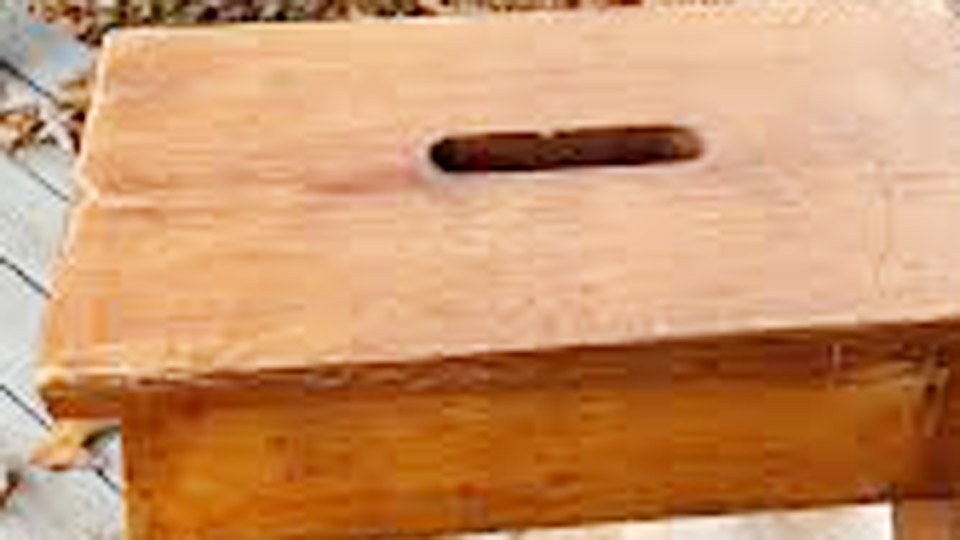
Image by freerangecottage
Why Easy Off Works When Regular Strippers Fail
Easy Off Heavy Duty (the yellow can, not the fume-free blue one) contains sodium hydroxide — lye — which is the same active ingredient in most professional-grade furniture strippers. Except it’s in a super-concentrated foam that clings to vertical surfaces and starts eating varnish the second it touches it. I’ve used $60-a-quart “premium” strippers that took three applications to do what one shot of a $5 can of Easy Off does in ten minutes.
When This Method Is Worth It (and When to Walk Away)
Use Easy Off when:
- You have rock-hard, thick, old varnish or shellac that laughs at citrus strippers
- The piece has intricate carvings where liquid stripper would just pool and run
- You’re on a budget and need to refinish six dining chairs before Thanksgiving
Skip it when:
- The furniture is solid mahogany, rosewood, or any reddish exotic wood — lye can darken them permanently
- It’s a true antique with historical value (take it to a pro instead)
- You’re pregnant, have asthma, or kids/pets that might touch wet lye
Safety First — Because Lye Doesn’t Mess Around
I learned this the hard way when I got a single droplet on my forearm and had a chemical burn in under a minute. Always:
- Work outside or in a garage with the door wide open
- Wear chemical-resistant gloves (the thick yellow ones, not latex)
- Safety goggles — no exceptions
- Long sleeves and pants
- Keep a hose or bucket of water nearby to rinse skin immediately if you get splashed
- Have vinegar on hand to neutralize any spills
What You’ll Need
- Easy Off Heavy Duty oven cleaner (yellow can)
- Roll of plastic wrap (the secret weapon)
- Cheap natural-bristle paint brushes (they’ll be trash afterward)
- Plastic putty knife or old credit cards for scraping
- 0000 steel wool and #2 steel wool
- Mineral spirits or odorless mineral spirits
- Lots of rags
- Box fan for ventilation
Step-by-Step: How I Strip a Dining Chair in Under an Hour
- Take everything apart. Remove seats, cushions, anything upholstered. You do NOT want Easy Off anywhere near fabric.
- Set up outside on a tarp. Lay the piece on its back so legs point up — gravity is your friend.
- Shake the can well. Spray a thick, even coat directly onto the wood. Don’t be shy — you want foam standing ¼-inch thick.
- Immediately cover with plastic wrap. This keeps the lye active for way longer. I press the plastic down so it touches the foam everywhere. Walk away for 15–30 minutes (longer for really bad finishes).
- Come back and peel the plastic. The varnish will be wrinkled and bubbly. If it’s not, spray again and re-wrap.
- Scrape with plastic putty knives. Work with the grain. The gunk comes off in long rubbery strips — it’s weirdly satisfying.
- Hit detailed areas with 0000 steel wool dipped in mineral spirits. The steel wool grabs the softened finish out of carvings like magic.
- Neutralize thoroughly. Wipe everything down with a rag soaked in water + a splash of vinegar, then plain water again. Lye left behind will keep eating the wood.
- Let it dry completely (usually overnight). The wood will look gray and fuzzy — totally normal.
- Light hand-sanding with 220-grit to smooth the raised grain, then you’re ready for stain or paint.
Real-Life Example: The $20 Thrift Store Table That Looked Like a Million Bucks
Last spring I found an oak pedestal table buried under eight layers of peeling white paint and black grime. Traditional strippers barely made a dent. Two cans of Easy Off later, I had bare wood in 45 minutes. After a light oxalic acid wash to remove some dark water stains, I stained it “Golden Oak” and it now lives in my dining room looking like it cost $1200 instead of $20.
Pro Tips From Someone Who’s Stripped Over 50 Pieces This Way
- Cold weather slows the reaction. If it’s below 60°F, the process can take hours instead of minutes.
- For painted pieces, test a tiny spot first — some modern latex paints just laugh at lye.
- The foam turns brown/black as it works — that’s how you know it’s doing its job.
- If you see white crystals forming after scraping, that’s dried lye. Wash it off immediately.
- Never, ever use this method indoors. I tried once in a basement and had to evacuate the house for two days.
What About the Smell?
Yeah, it’s brutal. Like burning hair mixed with industrial death. That’s why outside is non-negotiable. The odor dissipates completely once the piece is neutralized and dried.
Aftercare: Getting That Beautiful Bare-Wood Look
Once stripped, the wood is thirsty. I usually apply a coat of dewaxed shellac (Zinsser SealCoat) as a universal sanding sealer before stain — it prevents blotching on tricky woods like pine or cherry. Then whatever finish makes you happy — gel stain, dye, paint, or just oil.
Eco-Friendly Alternatives (When You Don’t Want to Go Nuclear)
If Easy Off feels too intense, try these first:
- Citristrip + plastic wrap overnight (great for most 20th-century finishes)
- Heat gun + sharp scrapers (my favorite for flat surfaces)
- Soy-based strippers (slower but way less toxic)
But when those fail — and they do, more often than the internet admits — Easy Off is the big gun.
Conclusion
I never thought I’d write an article telling people to use oven cleaner on furniture, but after rescuing dozens of pieces that were headed for the dump, I can’t keep it to myself. It’s fast, cheap, and stupidly effective when nothing else touches that rock-hard old finish. Just respect the chemicals, follow the safety rules, and you’ll be shocked at what you can accomplish with a $5 can from the grocery store.
Always strip one small test area first, and always — always — have a pizza ordered for when you’re done, because you’re going to be starving and too tired to cook after wrestling with lye all afternoon.
FAQ
Is Easy Off safe on all wood furniture?
No. Avoid it on veneer (it can bubble), very thin antique finishes, or dark exotic woods that can permanently darken. Solid oak, maple, poplar, and pine handle it beautifully.
How many cans will I need?
For a standard dining chair, half a can. For a full china cabinet, budget 3–4 cans. It’s still cheaper than any other method.
Can I use the fume-free version?
You can try, but it’s way weaker and usually takes multiple applications. Stick with classic Heavy Duty for real results.
Will this remove paint too?
Yes — milk paint, latex, even multiple layers of enamel. It’s my go-to for painted furniture that’s been abused for decades.
How soon can I refinish after stripping?
Wait 24–48 hours minimum and make sure the wood is bone dry and fully neutralized. Rush it and your new finish can bubble or peel later. Patience pays off.