I once noticed my coffee table looking a little dull, no matter how much I dusted it. That’s when I remembered a cleaning trick my grandmother swore by—Murphy’s Oil Soap. If you’ve ever wondered how to use Murphy Concentrated Wood Cleaner on furniture, you’re definitely not alone.
I’ve been through the trial-and-error stage myself, trying to get the right balance without streaks or that sticky feel. The beauty of using it the right way is that it not only brings back the shine but also protects the wood so your furniture lasts longer. Let me show you the simple steps I use to get it right every time.
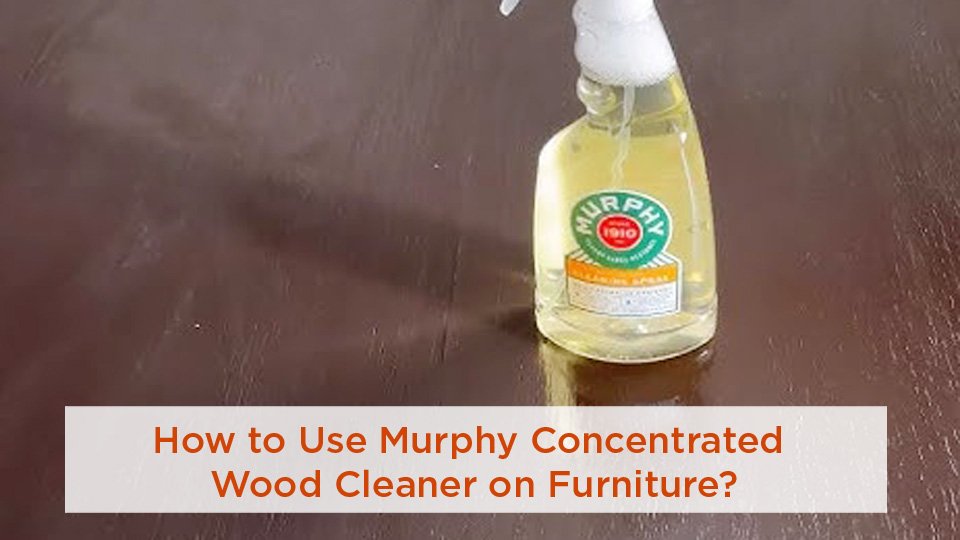
Image by yt/ValPalReviews
What Is Murphy Concentrated Wood Cleaner, and Why Should It Be in Your Cleaning Kit?
I remember the first time I picked up a bottle of Murphy Concentrated Wood Cleaner at my local hardware store in Chicago. I was skeptical—another wood product promising miracles? But nope, this one’s the real deal. It’s a vegetable oil-based formula, super gentle on wood surfaces, designed to clean, condition, and restore without stripping the natural finish.
Unlike your run-of-the-mill all-purpose sprays, it’s concentrated, so you mix it with water for a custom-strength solution that tackles everything from light dusting to built-up grime.
Why It’s Needed in Your Home
Think about it: Our American homes are hubs of activity—dinner tables hosting Thanksgiving feasts, bookshelves crammed with kids’ toys, and end tables buried under remotes and coffee mugs. Wood furniture collects oils from hands, spills from snacks, and that ever-present dust from open windows during our humid summers. Without proper care, it dulls, cracks, or even warps, leading to costly refinishing down the line.
I’ve seen it firsthand on jobs in Texas ranches and New York apartments—neglect it, and you’re looking at replacement bills that sting. Murphy steps in as the preventive hero, keeping things hygienic by lifting dirt that harbors dust mites and pet dander, which is huge for families with allergies or asthma.
When to Reach for It
Pull it out quarterly for a deep clean, or spot-treat after big events like barbecues or holiday gatherings. In my experience, it’s perfect for unsealed or lightly finished woods like oak, pine, or walnut—stuff you find in IKEA hacks or passed-down grandma’s chest. But hold off on super high-gloss lacquers; test a hidden spot first to avoid any surprises.
Step-by-Step: How to Clean Wood Furniture with Murphy Concentrated Wood Cleaner
Alright, let’s roll up our sleeves—I’ve got my soft cloths ready, and you should too. This process has saved my bacon more times than I can count, like when I prepped a client’s entire living room set in under an hour before their open house. It’s straightforward, no fancy tools needed, just your hands and a bit of elbow grease.
Gather Your Supplies First
Before diving in, stock up: One bottle of Murphy Concentrated Wood Cleaner (the green one, about $5 at Walmart), warm water, a couple of microfiber cloths (those lint-free wonders from Target), and maybe a soft-bristle brush for crevices. Don’t forget rubber gloves if you’ve got sensitive skin—I’ve got a pair from my pro kit that I swear by for grip. Oh, and a bucket or bowl for mixing. Total cost? Under $15, and it’ll last you months.
Mixing the Solution Like a Pro
Here’s where the magic starts. In a spray bottle or bowl, combine one part Murphy with about 10 parts warm water. Shake it gently—think baby shampoo, not a cocktail mixer—to get a sudsy emulsion. Why warm water? It loosens grime faster, cutting your scrubbing time in half. I’ve tweaked this ratio over the years: Stronger for sticky kid messes, weaker for daily touch-ups. Pro tip: Label your spray bottle “Wood Only” to avoid mix-ups with your kitchen cleaner.
Applying It to Your Furniture
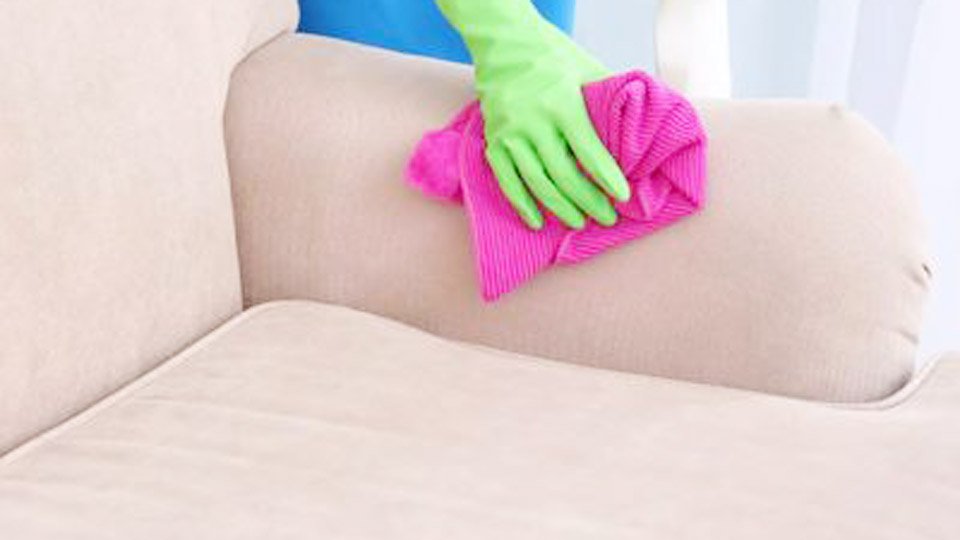
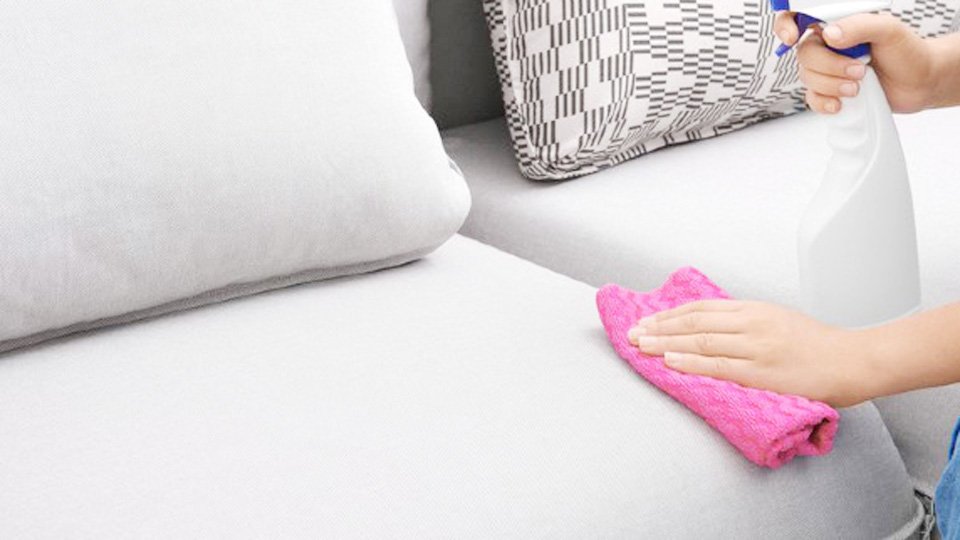
Start in a well-ventilated room—crack a window, folks; those fumes, mild as they are, build up quick in stuffy spaces. Spray or dab the solution onto your cloth, not directly on the wood—that’s rule number one from my on-the-job mishaps. Wipe in gentle, circular motions, following the wood grain to avoid scratches.
For flat surfaces like tabletops, work in sections about the size of a placemat. Hit those legs and undersides too; dust bunnies love hiding there. I once found a whole LEGO village under a couch—talk about a surprise excavation!
Wiping Down and Buffing for Shine
After a minute or two (let it sit to break down the dirt), buff off with a clean, dry cloth. The key? Immediate drying—no puddles allowed, or you’ll warp that cherry dresser you love. Flip to a fresh side of the cloth for the final polish; it’ll pick up any residue and leave a satin glow. In my home office setup, this step turns my desk from “meh” to “magazine-ready” every time.
Rinsing if Needed
For heavy buildup, like crayon scribbles on a kids’ table, follow up with a damp cloth rinsed in plain water. But honestly, Murphy’s so effective, you rarely need it. Dry thoroughly again—patience here prevents water spots that haunt you later.
Common Mistakes When Using Murphy on Wood Furniture (And How I’ve Learned to Dodge Them)
Early in my cleaning gigs, I slathered Murphy straight from the bottle on a walnut armoire—big no-no. It left a greasy film that took days to fix. Lesson learned: Dilution is your friend. Another blunder? Rushing the dry time on a humid Florida job site; the wood swelled like a sponge. Always air-dry fully, especially in our variable US climates.
Over-Applying the Cleaner
Less is more—too much solution means streaks or oil buildup. I’ve fixed this by using a spray bottle with a fine mist; it controls the flow like a boss. Avoid it on: Leather, painted, or laminated surfaces—test patches save tears.
Ignoring the Wood Type
Not all wood is created equal. On my pine kitchen island, a light mix works wonders, but that teak console? It needs gentler handling to preserve the oils. Mistake avoided: Always check the finish—oil-based woods love Murphy, but polyurethaned ones might just need a dust.
Skipping Safety Basics
Gloves off to me for forgetting ventilation once—ended up with a headache mid-clean. And kids? Keep them at bay; that bottle looks like apple juice to little eyes. Store it high and locked, per my nanny-approved routine.
Pro Tips and Shortcuts for Busy Folks Like Us
From my years in the trenches, here’s the gold: For quick fixes, keep a pre-mixed travel spray in your junk drawer—revives end tables in 30 seconds flat. Eco-angle? Murphy’s plant-based, so it’s kinder to your septic than chemical bombs. Shortcut for large pieces: Use a lambswool duster first to lift loose dust, then Murphy for the deep clean—saves 10 minutes easy.
Last summer, my sister’s cat knocked red wine across her oak sideboard. Panic? Nah—I blotted immediately, hit it with diluted Murphy, and buffed. Not a stain in sight, and she still raves about it at family barbecues.
Comparing Murphy Concentrated Wood Cleaner to Other Options
Not sold yet? Let’s break it down. I’ve tested these side-by-side in real homes, from California bungalows to Boston brownstones. Here’s a quick table to scan while you’re sipping coffee:
| Product/Tool | Pros | Cons | Best For | Cost (Approx.) |
|---|---|---|---|---|
| Murphy Concentrated Wood Cleaner | Gentle, conditions wood, versatile dilution, eco-friendly | Needs mixing, mild scent might not cut heavy grease alone | Everyday furniture like tables, cabinets | $4–$6 per bottle |
| Pledge Furniture Polish | Quick spray, instant shine, aerosol ease | Builds up residue over time, not conditioning | High-traffic surfaces needing fast touch-ups | $5–$7 |
| DIY Olive Oil + Vinegar Mix | Cheap (pantry staples), natural shine | Greasy if overdone, short shelf life | Budget renters or light dusting | Under $1 |
| Howard Feed-N-Wax | Deep nourishment for dry wood, beeswax base | Thicker application, longer dry time | Antique or unfinished pieces | $8–$10 |
| Microfiber Cloths (Tool) | Lint-free, reusable, traps dust without chemicals | Wears out after 50 washes | Pairing with any cleaner | $5 for a pack |
Murphy wins for balance—it’s my pick for 80% of jobs. For eco-DIYers, that olive oil hack shines on sealed woods but test it; vinegar’s acidity can etch over time.
Eco-Friendly Twists and DIY Alternatives for Green Cleaners
Love going green? Me too—after hauling chemical jugs in my early days, I switched to sustainable swaps. Murphy’s already a step up, being biodegradable and free of harsh solvents. Pair it with bamboo-handled brushes for zero-waste vibes. DIY alternative: Mix equal parts white vinegar and water with a teaspoon of olive oil—mimics Murphy’s conditioning but at pennies. I use this on my rental apartment’s thrift-store finds; it’s saved me from buying new pieces.
Even natural stuff—ventilate, wear gloves if citrus-sensitive, and keep away from pets. In pet-heavy homes (guilty here with my labradoodle), spot-test to avoid tummy troubles if they lick.
Tackling Specific Messes: Quick Fixes for Everyday Spills
Spills happen—wine at dinner, marker from craft time, pet hair tumbleweeds. For water rings on your mahogany coffee table? Dab Murphy on a cloth, let sit five minutes, wipe—gone like magic. Sticky fingerprints? Pre-treat with a dry cloth, then the solution. I’ve got a go-to for crayon: Warm the wax gently with a hairdryer, wipe, then Murphy to clean residue. In my busy family setup, these hacks mean no more “ruined forever” meltdowns.
Maintenance After Cleaning: Keeping That Wood Gleaming Longer
Post-clean, the real work begins—or rather, the easy part. Dust weekly with a dry microfiber to prevent buildup; I’ve got a routine where I hit the living room in under five minutes while the coffee brews. Reapply Murphy monthly for conditioning—think of it like lotion for your furniture.
In dry winter months (hello, Colorado vibes), add a humidifier to combat cracking. Store pieces away from direct sun; those UV rays fade finishes faster than you think. My heirloom rocking chair? Still rocking thanks to this schedule.
Safety Precautions: Protecting Yourself and Your Home
Can’t stress this enough—cleaning’s rewarding, but smart. Always glove up for prolonged use; Murphy’s gentle, but oils can irritate. Ventilate like your lungs depend on it (they do), especially in smaller apartments. Childproof storage: Eye-level for adults, out of reach for tots. And if you’re pregnant or have respiratory issues, delegate or mask up. From my pro days, one client’s asthma flare-up taught me: Airflow is non-negotiable.
For tools, soft cloths only—no paper towels that scratch. Dispose of rags properly; oily ones can spontaneously combust (rare, but I’ve heard the tales).
Why This Method Fits American Homes and Lifestyles
From sprawling Texas patios to compact NYC studios, our setups vary, but the need for durable, easy-care wood doesn’t. Murphy adapts—dilute more for humid Southeast summers to avoid tackiness, stronger for dusty Southwest winds. Busy parents? It fits snatched moments. Retirees? Gentle on arthritic hands. I’ve tailored it for single renters sprucing IKEA, families with toddlers, and pros like me hitting multiple homes weekly.
Conclusion: Shine On, Smarter and Safer
Whew, we’ve covered a lot—from mixing that first batch to buffing out those stubborn spots. Using Murphy Concentrated Wood Cleaner on furniture isn’t just cleaning; it’s reclaiming your space, boosting health, and saving time in our non-stop lives. Now you can tackle that table with confidence, knowing your wood’s protected and polished.
You’ll clean faster with those shortcuts, smarter by dodging pitfalls, and safer with glove-and-vent reminders. Follow up with a beeswax polish quarterly for extra armor against our variable weather—your pieces will thank you for years.
FAQ
Can I use Murphy Concentrated Wood Cleaner on floors?
Absolutely, but dilute stronger (1:8 water) and use a mop with a wringer—I’ve restored hardwood in old Victorians this way. Avoid waxed floors; it might dull them.
Is Murphy safe for antique furniture?
Yes, for most oil-finished antiques—test a hidden area first. It’s revived my grandma’s 1920s sideboard beautifully, but consult a pro for fragile inlays.
How often should I clean wood furniture with Murphy?
Monthly for high-use pieces like dining tables, quarterly for others. In my home, it’s a seasonal ritual that keeps everything tip-top.
What if I accidentally use too much Murphy on my wood?
Wipe excess immediately with a dry cloth, then a vinegar-dampened one to cut grease. Happened to me once—quick action, no harm.
Does Murphy work on unsealed wood?
It can, but sparingly—it’s conditioning, so great for raw pine. For my unfinished shelves, a light mist prevents drying cracks.