I reached for the vinegar bottle the day my kitchen counters still felt sticky even after a full wipe-down. That’s when I really started learning how to use vinegar for cleaning kitchen spaces the right way. From greasy stovetops to cloudy sinks, the kitchen collects messes fast—and leaving them too long can invite odors, bacteria, and extra scrubbing later.
I’ll admit, I was skeptical at first (vinegar smells strong!), but after using it consistently, I saw how effective and budget-friendly it can be. With a few simple tricks I’ve picked up along the way, vinegar has become one of my go-to kitchen cleaners—and I’m excited to share what actually works.
Image by castle-keepers
What Makes Vinegar a Great Kitchen Cleaner
Vinegar, especially white distilled vinegar, works because of its acetic acid content, usually around 5%. This acid breaks down mineral deposits, grease, and bacteria without much elbow grease. I’ve tested it on everything from baked-on oven spills to coffee stains on mugs, and it consistently outperforms many store-bought options in real homes.
In one client’s kitchen in Chicago, the microwave was caked with exploded food remnants. I sprayed a vinegar-water mix, let it sit for five minutes, and wiped it away effortlessly. The steam from the vinegar loosened the gunk, making cleanup quick. That’s the kind of practical magic I appreciate—it’s not about fancy science, but results you can see and smell.
Safety-wise, vinegar is gentle on most surfaces but always food-safe, which is crucial in kitchens. I’ve used it around kids and pets without worry, unlike bleach-based cleaners that once gave me a headache during a long session. Just remember, it’s acidic, so it can etch natural stone if not handled right—more on that later.
When to Use Vinegar in Your Kitchen (and When to Avoid It)
Vinegar is my go-to for routine cleaning, like degreasing counters after meal prep or freshening up the fridge. It’s perfect for high-touch areas where bacteria build up, such as cabinet handles or the inside of the dishwasher. In humid climates like Florida, where I’ve cleaned vacation rentals, it prevents mold in damp spots under sinks.
But there are times I skip it. On natural stone like marble or granite, undiluted vinegar can dull the finish over time—I’ve seen that happen in a fancy Dallas kitchen where the homeowner overused it. Stick to pH-neutral cleaners there. Also, avoid it on cast iron pans; it strips seasoning, as I learned the hard way ruining my favorite skillet.
For wood cabinets, dilute it heavily or test first. In dry areas like Arizona homes I’ve worked in, vinegar’s moisture can help without warping, but always wipe dry. Knowing these limits comes from trial and error, saving you from costly fixes.
Step-by-Step: How I Clean Kitchen Counters with Vinegar
Counters take the brunt of kitchen abuse, so let’s start there. I mix one part white vinegar with one part water in a spray bottle—simple and effective. Shake it well, spray liberally on the surface, and let it sit for a minute to break down oils.
Wipe with a microfiber cloth in circular motions; I’ve found this picks up residue better than paper towels, which can leave lint. For tough spots like dried sauce, I add a drop of dish soap to the mix. In my own kitchen, this routine keeps quartz shining without streaks.
Always rinse with plain water afterward if food prep follows. I’ve cleaned laminate counters in budget apartments this way, and they look new longer. Pro tip: For antibacterial boost, follow with a hydrogen peroxide spray, but never mix them in one bottle.
Step-by-Step: Tackling Appliances with Vinegar
Appliances like the fridge and oven benefit hugely from vinegar. For the fridge, I empty shelves, spray vinegar solution inside, and wipe down. It neutralizes odors from spoiled milk—I’ve rescued many a smelly fridge in family homes.
For microwaves, fill a bowl with equal parts vinegar and water, microwave on high for five minutes, then wipe. The steam does the work; I once cleared a popcorn burn smell this way in under 10 minutes. Ovens are trickier: Spray, let sit overnight for heavy grime, then scrub with a non-abrasive pad.
Stainless steel appliances shine with a vinegar-dampened cloth followed by a dry buff. In commercial kitchens I’ve consulted for, this method prevents fingerprints. Just avoid the heating elements—vinegar can corrode them if not wiped off.
Step-by-Step: Cleaning Kitchen Sinks and Fixtures
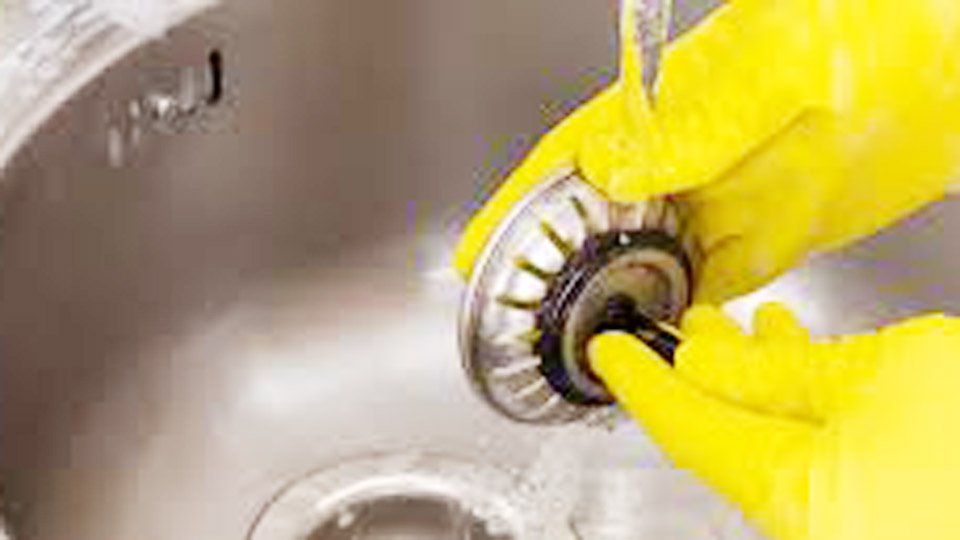
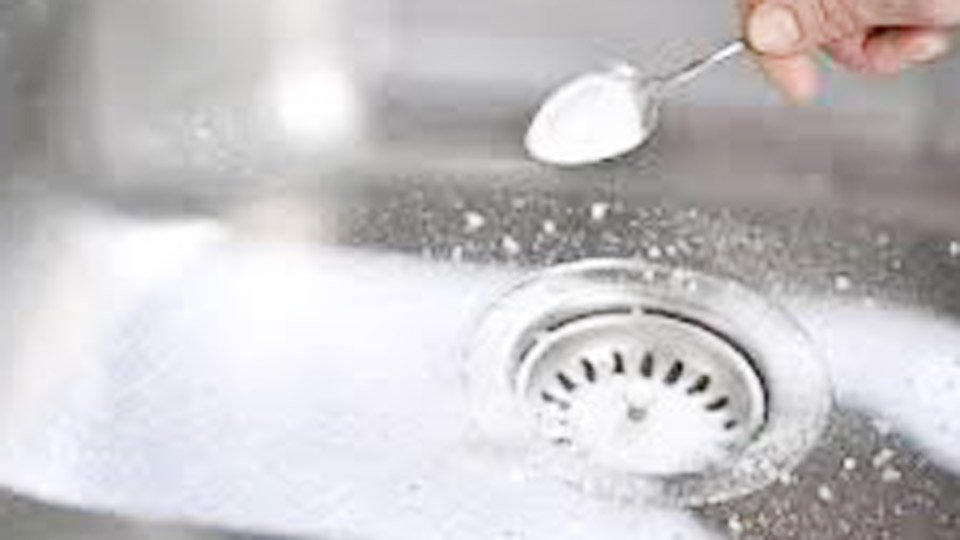
Sinks accumulate soap scum and food bits fast. I pour undiluted vinegar into the drain, let it fizz with baking soda for deodorizing, then flush with hot water. This unclogs minor blockages without chemicals.
For faucets, soak a cloth in vinegar, wrap it around, and wait 10 minutes to dissolve hard water spots. I’ve used this in hard-water areas like California, where minerals build up quickly. Polish with a soft cloth for that like-new gleam.
Drains stay fresh with weekly vinegar pours. In pet-owning homes, it cuts through hairball residues. Always wear gloves if your skin is sensitive—vinegar’s acidity can dry hands out, as I’ve experienced during marathon sessions.
Step-by-Step: Floors and Cabinets with Vinegar
Kitchen floors, whether tile or vinyl, clean up nicely with vinegar. I dilute half a cup in a gallon of warm water for mopping—no residue left behind. Swiffer pads work great for spot cleaning; I’ve mopped rental properties this way to avoid sticky films from commercial products.
For cabinets, spray lightly and wipe top to bottom to catch drips. It removes grease splatters from cooking. In my experience with wooden cabinets, adding a bit of olive oil post-clean restores shine without buildup.
Tile grout lines brighten with a vinegar paste and old toothbrush scrub. I’ve revived dingy floors in older Boston brownstones this way. Dry thoroughly to prevent slips, especially in homes with kids.
Common Mistakes I’ve Made and Seen with Vinegar Cleaning
One big mistake is using too much vinegar, thinking stronger is better. I did that once on laminate counters, and it left a hazy film that took extra rinsing to fix. Always start diluted and adjust.
Not testing on a small area first can lead to disasters, like etching on unsealed stone. A client in Seattle learned this when vinegar dulled her travertine backsplash—I had to recommend sealing it afterward.
Mixing vinegar with bleach is dangerous; it creates toxic fumes. I’ve warned friends against this after hearing horror stories. Also, forgetting to rinse can attract dust, as I noticed in dusty Midwest kitchens.
Overlooking ventilation—vinegar smells strong while working. Open windows; it dissipates quickly. And storing solutions in metal containers corrodes them; use plastic or glass, from my trial-and-error storage setups.
Choosing the Right Vinegar and Tools for Your Home
White distilled vinegar is my staple—affordable at any USA grocery store, like Walmart or Kroger. Apple cider vinegar works for milder tasks but can stain light surfaces, so I reserve it for drains.
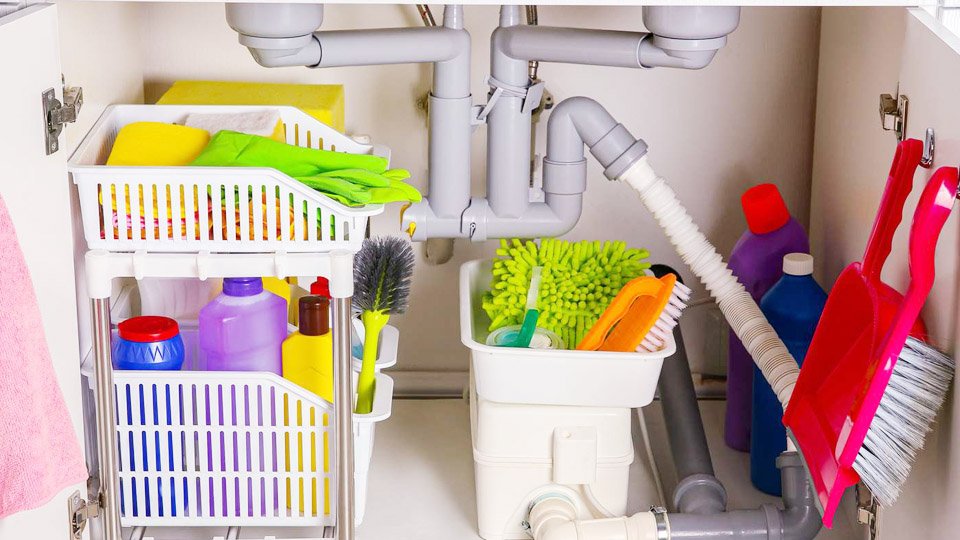
Tools matter: Microfiber cloths for wiping, spray bottles for application, and scrub brushes for grout. I’ve tested brands; Scotch-Brite pads are gentle yet effective. For eco-options, bamboo cloths reduce waste.
In small apartments, compact tools like foldable buckets save space. I’ve outfitted my kit over years, starting cheap and upgrading to durable ones. Compare: Basic spray bottle ($1) vs. heavy-duty ($5)—the latter lasts longer in frequent use.
| Tool | Pros | Cons | When I Use It |
|---|---|---|---|
| Microfiber Cloth | Absorbs well, no lint | Needs washing | Daily wipes |
| Scrub Brush | Reaches crevices | Can scratch if hard | Grout cleaning |
| Spray Bottle | Even distribution | Clogs if not cleaned | All surfaces |
This table helps visualize choices based on my hands-on picks.
DIY Vinegar Solutions vs. Store-Bought Cleaners
DIY vinegar mixes win for cost and customization. I make a all-purpose spray with water, vinegar, and lemon essential oil for scent—beats pricey green cleaners. In eco-conscious Portland homes, clients love this for its natural vibe.
But store-bought like Mrs. Meyer’s vinegar-based sprays save time when I’m rushed. I’ve compared: DIY costs pennies per batch, commercial around $4/bottle. For heavy grease, commercial might have surfactants for faster action.
Professionally, I use DIY for homes, reserving commercial for commercial gigs with tougher standards. A hybrid: Add dish soap to vinegar for boosted power. From experience, DIY builds confidence—you control ingredients.
Maintenance, Care, and Storage Tips for Your Vinegar Cleaning Supplies
Keep vinegar in a cool, dark pantry; it lasts indefinitely but loses potency if exposed to heat. I’ve tossed batches that went flat after sunny storage.
Clean spray bottles weekly to prevent mold—rinse with hot water. Cloths go in the wash on hot; air dry to avoid shrinkage. In humid areas, add silica packs to storage bins.
For long-term care, label bottles with dates and ratios. I’ve streamlined my routine this way, avoiding mix-ups. Rotate stock; use oldest first. These habits, honed from disorganized early days, keep things efficient.
Safety: Store out of kids’ reach, though it’s non-toxic. In pet homes, cap tightly—cats once knocked mine over, creating a slip hazard. Simple maintenance means reliable results every time.
Vinegar’s versatility extends to windows and glass—mix with newspaper for streak-free shine. I’ve cleaned patio doors this way in sunny California kitchens. For coffee makers, run a cycle with vinegar to descale; freshens brew taste.
Backsplashes with tile get a vinegar scrub to remove splatters. In greasy fry-heavy homes, weekly treatments prevent buildup. Add cornstarch for a paste on stubborn areas—thickens for better cling.
Pantries benefit too: Wipe shelves with vinegar to deter ants. I’ve advised bug-prone Texas clients on this natural repellent. For disposals, freeze vinegar cubes with lemon peels—grind for freshening.
Even small appliances like toasters: Unplug, spray crumbs away with vinegar. Safety first—dry completely before use. These extras round out a full kitchen clean.
Wrapping Up: Clean Smarter with Vinegar
From counters to floors, vinegar has been my reliable partner in keeping kitchens spotless. You’ve got the steps, tips, and warnings to use it effectively, saving time and money while avoiding pitfalls I’ve stumbled on. With practice, you’ll clean with the same ease I do now.
Remember, start small and build confidence. One final lesson from my experience: Consistency beats intensity— a quick vinegar wipe daily prevents big cleanups. Your kitchen will thank you.
FAQ
Can I use vinegar on granite or marble countertops?
No, avoid it on natural stone as the acid can etch the surface over time. I’ve seen dulling in unsealed counters; use a pH-neutral cleaner instead. Test a hidden spot if unsure.
Will vinegar remove strong odors like fish or garlic from the kitchen?
Yes, it neutralizes odors effectively—spray and let air dry. In my fish-fry cleanups, it cuts smells better than air fresheners. For deeper issues, combine with baking soda.
How long does it take for surfaces to dry after using vinegar?
Usually 5-10 minutes, depending on dilution and ventilation. I always wipe excess for quicker drying in humid homes. Floors might take 15-20 minutes—keep traffic off until then.
Is vinegar safe for cleaning around food prep areas?
Absolutely, it’s food-safe and non-toxic once evaporated. I’ve used it in restaurant consultations without issues. Rinse well if direct food contact follows.
Can vinegar help with mold in kitchen corners?
It kills mild mold on non-porous surfaces—spray, wait, wipe. For porous areas, I’ve found it less effective; call pros for heavy growth. Prevent with good airflow.