Opening the cabinet under the kitchen sink to grab a cleaner, only to be met with a chaotic jumble of spray bottles, sponges, and half-empty containers. As a homeowner who’s tackled this mess in my own kitchen, I’ve learned how to organize cleaning supplies under the kitchen sink to make it functional and stress-free.
This space is prime real estate for keeping your cleaning essentials handy, but pipes and clutter can make it tricky. Let’s walk through my practical, budget-friendly methods to turn that under-sink chaos into a tidy, accessible cleaning hub perfect for homeowners, renters, and cleaning enthusiasts.
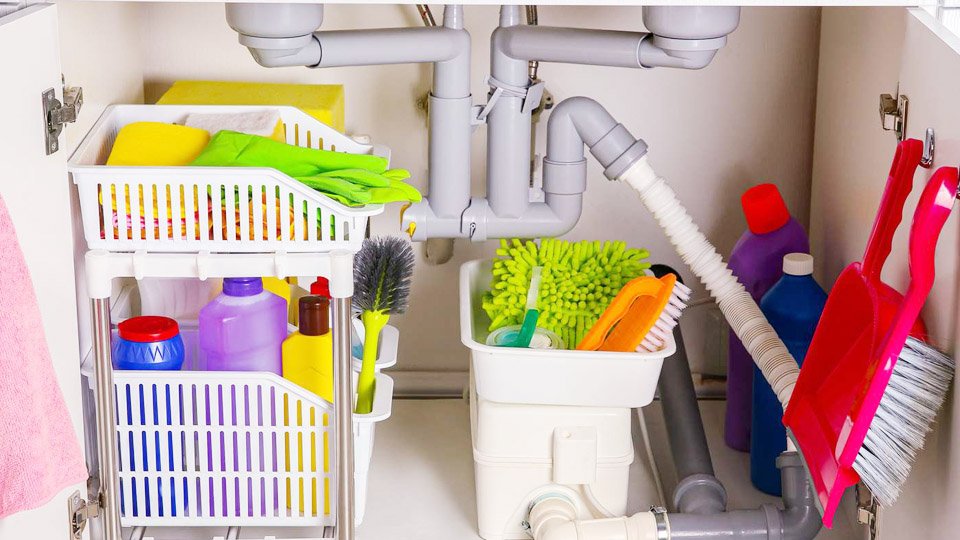
Image by simplyrecipes
Why Organizing Under the Sink Matters
The area under your kitchen sink is a high-traffic spot for cleaning tasks, but it’s often neglected. I ignored mine until a leaky bottle left a sticky mess that took hours to clean. A well-organized under-sink cabinet saves time, reduces stress, and keeps your supplies ready for action. Here’s why it’s worth the effort:
- Easy Access: Find what you need without digging.
- Prevents Damage: Proper storage avoids leaks and spills.
- Maximizes Space: Makes use of awkward areas around pipes.
- Improves Cleaning Routine: A tidy space motivates regular cleaning.
Preparing the Space
Before organizing, you need to clear and clean the cabinet. I learned this the hard way when I tried to rearrange my supplies around a dusty, grimy base.
Supplies Needed
| Supply | Purpose | Alternative |
|---|---|---|
| Microfiber cloth | Wipes surfaces | Paper towels |
| All-purpose cleaner | Cleans grime | Vinegar-water mix |
| Vacuum (handheld) | Removes debris | Soft-bristle broom |
| Shelf liner (waterproof) | Protects cabinet | Plastic placemat |
| Gloves | Protects hands | Dishwashing gloves |
I use a handheld vacuum for quick cleanup and store-brand all-purpose cleaner.
How to Do It
- Remove everything from the cabinet and place items on a counter.
- Vacuum or sweep out dust, dirt, and small debris.
- Wipe down the cabinet with a damp microfiber cloth and all-purpose cleaner.
- Dry thoroughly with a clean cloth to prevent mold.
- Lay down waterproof shelf liner to protect the cabinet base.
Time Estimate
This takes 10–15 minutes for a standard cabinet.
Pro Tip
Check for leaks while the cabinet is empty. I found a small drip from my sink’s pipe that I fixed before it caused damage.
Safety Precautions
- Wear gloves to avoid contact with old spills or cleaners.
- Ventilate the area to avoid inhaling cleaner fumes.
- Keep kids and pets away during cleaning.
- Dispose of expired or leaky products responsibly.
Decluttering Your Supplies
Decluttering is key to an organized under-sink space. I once found three half-empty bottles of the same cleaner hiding in the back of my cabinet.
How to Do It
- Sort items into categories: dishwashing, surface cleaners, sponges, etc.
- Toss expired, leaky, or unused products.
- Combine duplicates into one container if possible.
- Move non-kitchen items (e.g., bathroom cleaners) to their proper place.
- Keep only essentials under the sink for daily use.
Supplies to Keep
| Item | Purpose | Why Keep It |
|---|---|---|
| Dish soap | Washes dishes | Daily use |
| All-purpose cleaner | Cleans counters | Versatile |
| Sponges/scrubbers | Scrubs surfaces | Frequent use |
| Dishwasher pods | Runs dishwasher | Convenient |
| Trash bags | Lines bins | Easy access |
I keep Dawn dish soap and a multipurpose spray for quick cleanups.
Time Estimate
This takes 10–20 minutes, depending on clutter.
Pro Tip
Use a “one-in, one-out” rule: for every new cleaner you buy, toss an old one. This kept my cabinet from overflowing again.
Dos and Don’ts
Do:
- Check expiration dates on cleaners.
- Recycle empty containers responsibly.
- Group similar items for easy access.
- Store only what you use regularly.
Don’ts:
- Keep bathroom cleaners under the kitchen sink.
- Store paper-based items like towels; they attract moisture.
- Ignore leaks; they cause mold and damage.
- Overstuff the cabinet; it leads to chaos.
Using Containers and Organizers
Containers make all the difference in keeping supplies tidy. I use a mix of bins and drawers to navigate around pipes and maximize space.
Supplies Needed
| Supply | Purpose | Alternative |
|---|---|---|
| Clear plastic bins | Groups small items | Baskets |
| Pull-out drawers | Easy access | Sliding baskets |
| Tension rod | Hangs spray bottles | Adhesive hooks |
| Over-door organizer | Uses door space | Command hooks |
| Lazy Susan | Rotates items | Stackable bins |
I love clear bins from a dollar store and a pull-out drawer from a home goods store.
How to Do It
- Measure your cabinet’s width, height, and depth to choose organizers.
- Place a pull-out drawer on one side for dish soap and sponges.
- Use clear bins for smaller items like scrubbers or dishwasher pods.
- Install a tension rod across the cabinet to hang spray bottles.
- Attach an over-door organizer for gloves and brushes.
- Place a Lazy Susan in a corner for less-used items.
Time Estimate
This takes 20–30 minutes to set up.
Pro Tip
Use clear containers to see what’s inside at a glance. I label mine with a marker for extra clarity.
Safety Precautions
- Ensure organizers are stable to avoid tipping.
- Avoid overloading drawers; it strains the mechanism.
- Keep heavy items low to prevent spills.
- Check that adhesives are strong enough for door organizers.
Natural Organization Alternatives
If you prefer eco-friendly or DIY solutions, I’ve used homemade organizers to keep costs down and reduce waste.
Repurposed Household Items
I’ve repurposed items like old jars and trays to organize my supplies without buying new products.
Supplies Needed
| Supply | Purpose | Alternative |
|---|---|---|
| Glass jars | Holds small items | Plastic containers |
| Shoebox | Corrals sponges | Small basket |
| Old baking tray | Catches drips | Plastic placemat |
| Binder clips | Hangs cloths | Clothespins |
How to Do It
- Clean and dry glass jars for storing dishwasher pods or scrubbers.
- Line a shoebox with plastic wrap to hold sponges and brushes.
- Place an old baking tray under cleaners to catch leaks.
- Use binder clips on a tension rod to hang cleaning cloths.
- Arrange items by frequency of use, keeping daily items in front.
Time Estimate
This takes 15–25 minutes, depending on items available.
Pro Tip
Cut a shoebox to fit around pipes for a custom organizer. I did this for my narrow cabinet and it worked perfectly.
Comparison of Organization Methods
| Method | Best For | Pros | Cons |
|---|---|---|---|
| Pull-Out Drawers | Frequent use items | Easy access, fits pipes | Can be pricey |
| Clear Bins | Small items | Affordable, visible | Less sturdy |
| Tension Rod | Spray bottles | Space-saving, cheap | Limited capacity |
| Over-Door Organizer | Gloves, brushes | Uses vertical space | May not fit all doors |
| Lazy Susan | Deep corners | Rotates for access | Takes up space |
Maintaining Your Organized Space
Keeping the cabinet tidy is easier once it’s organized. I do a quick check monthly to prevent chaos from creeping back.
How to Do It
- Wipe down surfaces every month to remove spills.
- Check for expired or low supplies and restock.
- Return items to their designated spots after use.
- Replace shelf liner if it gets dirty or damaged.
- Reassess organizers seasonally to fit new needs.
Time Estimate
Maintenance takes 5–10 minutes monthly.
Pro Tip
Keep a small caddy for daily cleaners you can grab and go. I use one for my sink-side essentials.
Preventing Common Issues
Moisture and leaks can ruin your setup. I had a mold issue once because of a damp sponge left in the cabinet.
How to Prevent
- Use waterproof shelf liners to protect the cabinet base.
- Store wet sponges in a caddy with drainage holes.
- Check pipes regularly for small leaks.
- Keep a small silica gel packet to absorb moisture.
When to Call a Professional
If you find persistent mold or a major leak, call a plumber or cleaning service. I had to hire a plumber when my garbage disposal leaked, affecting my cabinet’s base.
Common Mistakes to Avoid
I’ve made these errors, so you don’t have to:
- Overstuffing: Makes it hard to find items.
- Ignoring Pipes: Organizers must fit around them.
- Storing Wet Items: Leads to mold and mildew.
- Using Opaque Containers: Hides contents, causing clutter.
- Skipping Maintenance: Undoes your hard work.
Pro Tips from My Experience
- Measure Twice: Ensure organizers fit around pipes.
- Use Vertical Space: Door organizers save room.
- Label Everything: Makes finding items easier.
- Keep It Simple: Fewer products mean less clutter.
- Check Weekly: Quick scans prevent messes.
A Tidy Kitchen Starts Here
Organizing cleaning supplies under the kitchen sink doesn’t have to be daunting. With a good declutter, smart organizers, and a little maintenance, you can transform that chaotic cabinet into a functional cleaning hub.
These methods have made my kitchen routine smoother, and I’m confident they’ll work for you too. Grab some bins, clear out the clutter, and enjoy a tidy, stress-free space that makes cleaning a breeze!
FAQ
How do I organize cleaning supplies under the kitchen sink with limited space?
If space is tight, I focus on vertical storage and multi-use organizers. Install a tension rod to hang spray bottles and an over-door organizer for gloves and brushes. Use stackable clear bins for small items like sponges and dishwasher pods, placing them around pipes.
I fit a narrow pull-out drawer in my small apartment kitchen, which holds dish soap and scrubbers perfectly. Measure your cabinet first to ensure organizers fit, and declutter ruthlessly to keep only essentials.
What’s the best way to store spray bottles under the kitchen sink?
I hang spray bottles on a tension rod across the cabinet for easy access and to free up floor space. Alternatively, use adhesive hooks on the cabinet door or a narrow bin to keep them upright.
I store my all-purpose cleaner and glass cleaner this way, making them easy to grab. Ensure bottles are tightly closed to prevent leaks, and place a tray underneath to catch drips.
How do I prevent mold under the kitchen sink when storing cleaning supplies?
To prevent mold, I use waterproof shelf liners and store wet items like sponges in a caddy with drainage holes. Check pipes monthly for leaks, and keep a silica gel packet in the cabinet to absorb moisture.
I had a mold issue once from a damp cloth, so now I air-dry sponges before storing. Ventilate the cabinet by leaving the door open briefly after cleaning to reduce humidity.
Can I use household items to organize under the kitchen sink?
Yes, I’ve used glass jars for dishwasher pods, a shoebox for sponges, and an old baking tray to catch drips. Binder clips on a tension rod can hang cloths, saving space.
These repurposed items worked great in my rental kitchen when I didn’t want to spend much. Ensure containers are clean and durable, and avoid paper-based items that absorb moisture.
How often should I reorganize cleaning supplies under the kitchen sink?
I do a quick check every month, wiping surfaces and tossing expired products. A full reorganization every 3–6 months keeps things functional. I reassess my setup seasonally to adjust for new cleaners or tools.
This routine prevents clutter from building up and keeps my cabinet ready for daily use. Always return items to their spot after cleaning to maintain order.