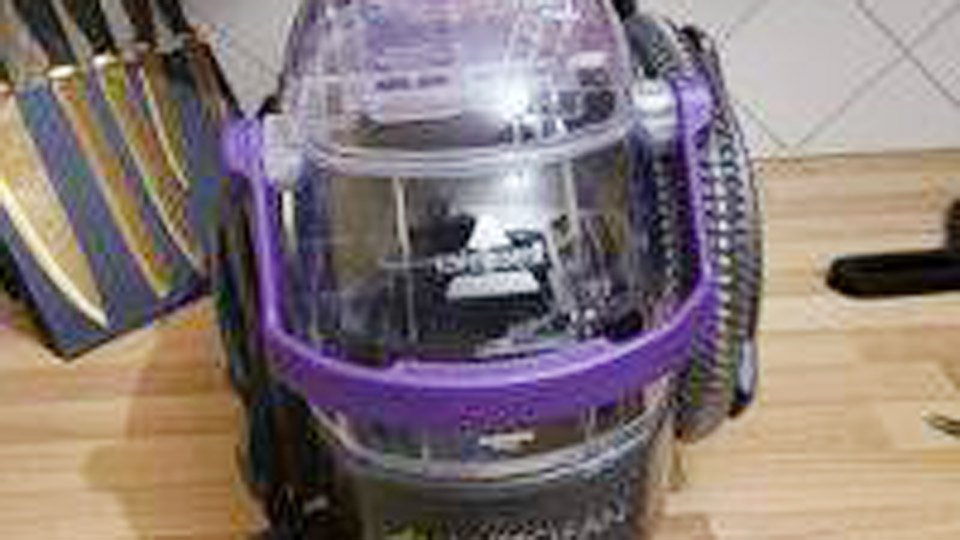
The first time I used my Bissell carpet cleaner, I’ll admit—I spent a few extra minutes just trying to figure out how to take the water tank out. If you’ve been there too, don’t worry, you’re not alone! Learning how to remove the water tank from your Bissell carpet cleaner is one of those simple but important steps that makes the whole cleaning process so much easier.
Whether you’re filling it up, emptying dirty water, or giving it a quick rinse, knowing the right way to handle the tank saves time and keeps your machine running smoothly. I’ve picked up a few handy tricks along the way, and I’ll walk you through them step by step.
Image by invisioneng
Understanding the Water Tank in Your Bissell Carpet Cleaner
In most Bissell models – like the popular ProHeat 2X Revolution or the compact Little Green – the water tank is that clear plastic reservoir where you pour in clean water mixed with cleaning solution. It’s usually divided into clean and dirty sections, with the clean one holding your soapy mix and the dirty one collecting the grime as you clean.
I’ve handled everything from upright models for whole-house jobs to portable spot cleaners for quick pet accidents, and they all follow a similar design: removable for easy filling and emptying.
You might need to remove it when the tank’s full of dirty water after a session, or if it’s time for a deep clean to prevent buildup. In my experience, ignoring this leads to clogs or funky smells that make your next clean-up job twice as hard. For instance, in a typical American household with wall-to-wall carpeting in living rooms or bedrooms, you’d pull it out weekly if you have high traffic from kids or pets. It’s especially crucial in safety terms – a leaky tank can create slip hazards on tile floors, and stagnant water breeds bacteria that could affect indoor air quality.
When I first started out, I underestimated how often this needed doing. After a marathon cleaning day at a client’s place, I skipped emptying the tank properly, and the next time I fired up the machine, it sputtered like an old car. Lesson learned: regular removal keeps things efficient and hygienic.
Step-by-Step Guide: How to Safely Remove the Water Tank from Your Bissell Carpet Cleaner
Alright, let’s get to the heart of it – removing that tank without drama. I’ve done this hundreds of times, from my own Bissell in the basement to ones at rental properties where tenants left behind mystery stains. Start by unplugging the machine and placing it on a stable, waterproof surface like your driveway or a tarp in the kitchen. Safety first: wear gloves to avoid any leftover chemicals irritating your skin, and make sure kids or pets are out of the way.
Step one: Locate the tank. On upright models like the Bissell PowerClean, it’s usually at the front or top, with a handle for easy grip. For portables, it’s often on the side. Give it a gentle wiggle to check if it’s locked in.
Step two: Release the latch or handle. Most Bissells have a simple button or lever – press it firmly but not like you’re trying to break it. I remember once forcing it on a worn-out model and cracking the plastic; now I always check the user manual glimpse for model-specific quirks.
Step three: Lift straight up and out. Tilt slightly if needed, but keep it level to prevent spills. If it’s the dirty tank, empty it over a sink or outside – that murky water can stain if it hits your counters.
Step four: Set it aside on a towel. Inspect for any residue; if it’s gunky, that’s your cue for cleaning, which we’ll cover next.
Common mistakes? Rushing it while the machine’s still warm or plugged in – that can lead to shocks or burns from hot water in heated models. Another is yanking too hard, which damages the seals and causes future leaks. To avoid, always go slow and steady, like easing a stuck drawer.
From my pro toolkit: If the tank feels stuck, a quick spritz of warm soapy water around the edges loosens it without force. And for busy parents, do this right after use while the mess is fresh – it cuts down on drying time and odors.
Cleaning the Water Tank After Removal: Best Practices for Longevity
Once you’ve got the tank out, cleaning it is where the real magic happens. This isn’t just wiping it down; it’s about thorough sanitation to keep your carpets fresh. The tank accumulates soap residue, hair, and debris that, if left, can clog nozzles or promote mold – a big issue in damp climates like the Pacific Northwest.
Why bother? Clean tanks mean better suction and even cleaning, saving you from uneven spots on your rugs. In my cleaning jobs, I’ve seen neglected tanks turn simple spot cleans into full re-dos, wasting hours.
Here’s the step-by-step: Rinse under warm water first to flush out loose gunk. Then, mix a solution of white vinegar and water (1:1 ratio) – it’s eco-friendly and cuts through buildup without harsh chemicals. Scrub with a soft brush, focusing on crevices where mold hides. For stubborn stains, let it soak for 15 minutes.
Avoid using bleach; it can degrade the plastic over time. I once tried it on a client’s machine and noticed yellowing – switched to vinegar ever since.
Pro tip: For pet owners, add a dash of baking soda to neutralize odors. And if you’re in a hard-water area like parts of Texas, use distilled water in your mixes to prevent mineral deposits.
Let’s compare some cleaning options in a quick table to help you choose:
| Cleaning Method | Pros | Cons | Best For |
|---|---|---|---|
| Vinegar Solution | Cheap, natural, kills bacteria | Mild smell lingers briefly | Eco-conscious households |
| Bissell Formula | Targeted for machines, deep clean | More expensive | Heavy-duty use |
| Baking Soda Paste | Absorbs odors, gentle scrub | Needs rinsing thoroughly | Quick odor fixes |
| Dish Soap Mix | Readily available, cuts grease | Can leave residue if not rinsed | Everyday maintenance |
This table’s from my trial-and-error days; vinegar wins for most US homes balancing cost and effectiveness.
Common Issues When Removing and Handling the Bissell Water Tank
Trouble strikes even pros like me. One frequent headache is a stuck tank from dried residue – happens if you store the machine without emptying. Why does it matter? Forcing it can crack components, leading to pricey fixes or safety risks like electrical shorts if water leaks near plugs.
When needed: Check during routine maintenance, especially post-big jobs like after holiday parties where spills multiply.
Step-by-step fix: Warm the area with a hairdryer on low for a minute to soften gunk, then gently rock the tank. If that fails, consult your model’s guide – Bissells vary, like the CrossWave’s multi-surface tank needing a different angle.
Mistakes to dodge: Ignoring leaks, which signal worn seals. I’ve patched many with silicone lubricant, but replace if damaged.
Shortcut: Preventive care – after every use, dry the tank completely before reattaching. In my home, I air-dry it overnight on a rack, cutting down on mold risks.
Safety note: Always ventilate if using any cleaners, and keep solutions away from kids. I once had a scare when my little one grabbed a bottle; now everything’s in locked cabinets.
Eco-Friendly Alternatives and DIY Hacks for Tank Maintenance
Going green isn’t just trendy; it’s practical for families watching budgets and health. Traditional cleaners can irritate skin or release fumes, so I’ve shifted to DIY options in my routines.
What are they? Think lemon juice for natural acidity or essential oils for scent without synthetics.
Why switch? Reduces plastic waste from bottles and is safer for pets – important in US suburbs where dogs rule backyards.
Process: For a DIY scrub, mix lemon juice, water, and salt. Apply, let sit, rinse. It’s gentle on plastics.
Avoid over-diluting; weak mixes don’t clean well. Pro tip: Add tea tree oil for antifungal punch, great for humid areas.
In one job, a client with allergies loved this hack – their tank stayed fresh without triggering sneezes.
Reassembling Your Bissell Carpet Cleaner: Ensuring a Leak-Free Fit
Putting it back is as crucial as taking it out. A poor fit means drips everywhere, ruining your efforts.
Why do it right? Proper assembly maintains suction, preventing weak cleans that leave dirt behind.
Steps: Align the tank with grooves, press until it clicks. Test by tilting the machine slightly – no leaks? Good to go.
Common error: Misaligning, causing overflows. I’ve fixed this by double-checking arrows or markers on the tank.
Tip: Lubricate seals lightly with petroleum jelly for smoother fits, extending life.
For busy renters, label your machine with reminders – “Empty tank!” – to build habits.
Tools and Products I Recommend for Bissell Tank Care
Over years, I’ve tested tons. Essential tools: Soft-bristle brushes for scrubbing, microfiber cloths for drying – they absorb without lint.
Product types: Bissell’s own cleaners for warranty safety, or generics like Mrs. Meyer’s for eco-vibes.
Pros of branded: Optimized formulas. Cons: Higher cost.
DIY alt: Hydrogen peroxide for tough spots, but dilute to avoid bleaching.
Safety: Gloves always, and test on a small area first.
In typical setups, like apartments with limited space, store tools in a caddy for quick access.
Anecdote: During a flood cleanup in a basement, my go-to brush saved the day on a Bissell tank clogged with silt.
Preventing Future Problems: Maintenance Routines for Your Bissell
Long-term care keeps issues at bay. Why? Consistent habits mean fewer breakdowns, saving time for family stuff.
When: Monthly deep cleans, weekly rinses.
Process: After removal, inspect for cracks; replace if needed.
Mistakes: Storing wet – invites rust in metal parts.
Tip: Use filtered water to cut minerals in hard-water states.
For pros, batch clean multiple machines; for homes, tie it to laundry day.
Conclusion: Master Your Bissell for Cleaner, Easier Days
Wrapping this up, friend, you’ve now got the full scoop on how to remove the water tank from your Bissell carpet cleaner, clean it like a pro, and keep everything running smoothly. By following these steps, you’ll clean faster with less hassle, safer without chemical worries, and smarter by dodging common pitfalls that cost time and money.
One final pro tip from my toolbox: Always keep a spare tank on hand if you’re a heavy user – it lets you swap and keep going without downtime. Your home will thank you with fresher carpets and fewer allergy days.
FAQ
How do I clean mold out of my Bissell carpet cleaner tank?
Mold sneaks in from leftover moisture, especially in steamy bathrooms or basements. Mix equal parts vinegar and water, scrub thoroughly, and rinse. Dry completely in sunlight if possible – I’ve zapped stubborn spots this way without harsh bleaches.
What should I do if my Bissell water tank won’t click back in?
This usually means misalignment or debris in the slots. Wipe the connections clean, align carefully, and press firmly. If it persists, check for cracks – I once fixed a client’s by gently sanding rough edges.
Can I use regular tap water in my Bissell carpet cleaner?
Sure, but in hard-water areas like California, it builds up minerals fast. Switch to distilled for longevity; it’s a small swap that prevents clogs, based on my trials in various homes.
How often should I replace the water tank on my Bissell?
It depends on use – every 1-2 years for daily pros, longer for occasional home use. Watch for cracks or odors; I’ve replaced mine after heavy pet jobs to keep performance top-notch.
Is it safe to leave cleaning solution in the tank overnight?
Not ideal – it can degrade seals or breed bacteria. Empty and rinse after each use; in my routine, this prevents funky smells and extends machine life.