I walked into my kitchen and instantly felt overwhelmed — dishes in the sink, crumbs on the counter, and that stubborn grease stain on the stove I’d been ignoring for days. It reminded me how easy it is for kitchen premises to slip into chaos, especially when life gets busy. I’ve learned that knowing the proper steps in cleaning kitchen premises can make the process faster, easier, and far more effective.
From quick tidying to deep cleaning, stain removal, and even eco-friendly solutions that keep harmful chemicals out of your cooking space, a structured cleaning routine makes all the difference. Not only does it keep your kitchen looking fresh and inviting, but it also safeguards hygiene, prevents cross-contamination, and creates a safer space for your family. In this guide, I’ll share my tried-and-true steps for getting your kitchen sparkling clean — without feeling like it’s an all-day chore.
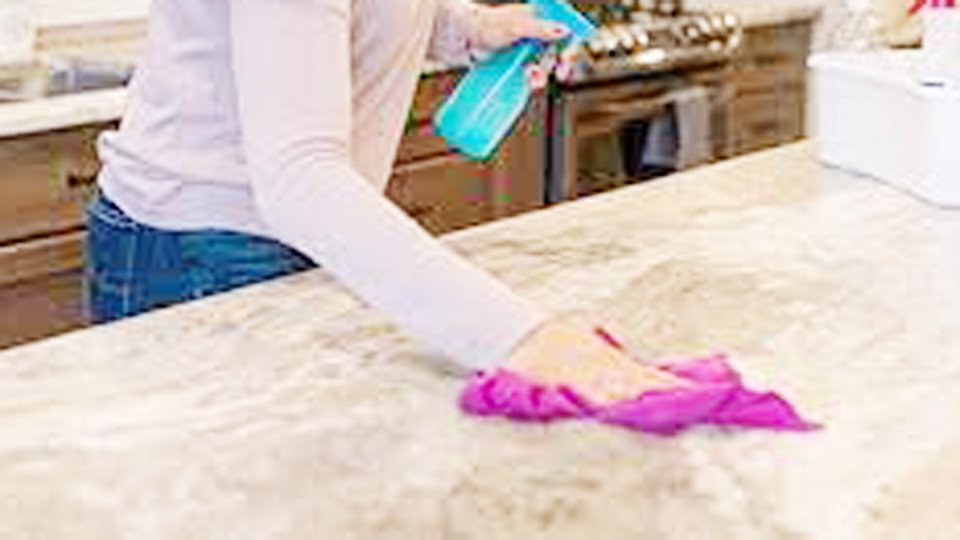
Image by mollymaid
Why Keeping Your Kitchen Clean Matters
A clean kitchen is the heart of a healthy home. For parents, it’s about ensuring a safe space for meal prep, especially for little ones who love to “help” in the kitchen. For renters, a tidy kitchen can mean getting your deposit back. And for cleaning enthusiasts, there’s nothing more satisfying than a gleaming countertop. Beyond looks, a clean kitchen prevents bacteria buildup, reduces pest risks, and keeps your appliances running smoothly. Plus, it just feels good to cook in a space that’s fresh and inviting.
Gather Your Cleaning Supplies First
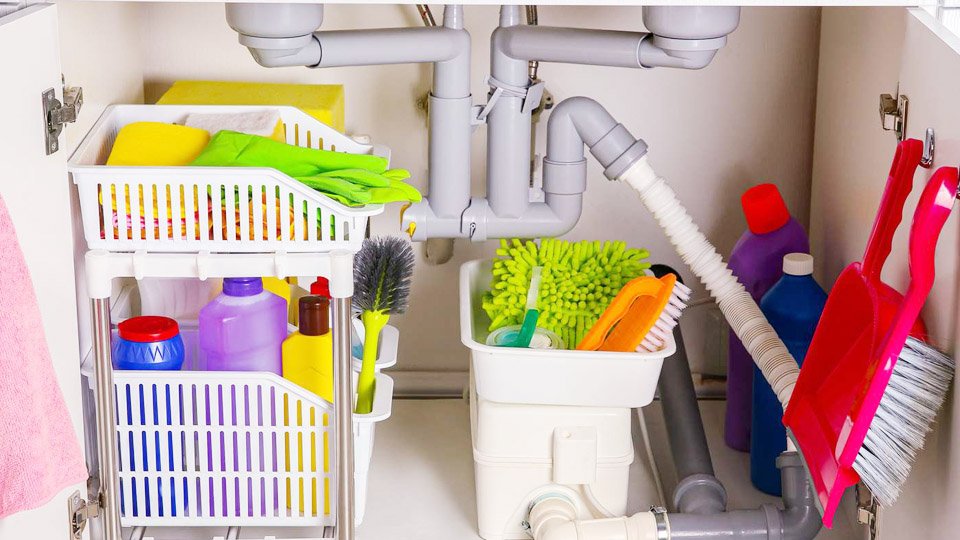
Before diving in, let’s make sure you have everything you need. I like to keep my cleaning caddy stocked so I’m not running around mid-task. Here’s what I recommend for an effective, budget-friendly kitchen cleanup:
- Dish soap: A gentle, grease-cutting formula works wonders.
- White vinegar: Perfect for natural disinfection and tackling tough stains.
- Baking soda: Great for scrubbing without scratching surfaces.
- Microfiber cloths: These trap dirt and reduce streaks.
- All-purpose cleaner: Choose one safe for your countertops (check labels for granite or quartz).
- Sponges or scrub brushes: Non-scratch options for delicate surfaces.
- Gloves: Protect your hands, especially if using stronger cleaners.
- Trash bags: For quick decluttering.
- Broom, mop, and bucket: For sparkling floors.
Safety Tip: Always check cleaner labels for compatibility with your kitchen surfaces. Avoid mixing chemicals like bleach and ammonia, as they can create toxic fumes.
Declutter and Organize Before Cleaning
I learned the hard way that cleaning around clutter is like trying to mop during a rainstorm. Start by clearing your kitchen of anything that doesn’t belong.
Clear Countertops and Sink
Remove dishes, appliances, and random items (like mail or kids’ toys) from countertops. Wash or load dishes into the dishwasher. If your sink is full, tackle it first—empty it, rinse it, and set dishes aside to soak if needed. A clear sink is your cleaning command center.
Put Away Food and Items
Store dry goods, snacks, or leftovers in the pantry or fridge. I once left a bag of flour out during cleaning, and let’s just say my kitchen looked like a snowstorm hit. Organize as you go to save time later.
Take Out the Trash
Empty the trash can and replace the liner. A quick wipe of the can’s exterior with a damp cloth keeps odors at bay. If your trash can smells, sprinkle baking soda inside before adding a new bag.
Checklist for Decluttering:
- Remove non-kitchen items
- Store food properly
- Empty trash and recycling
- Clear countertops and sink
Tackle High-Traffic Areas First
Kitchens get messy fast, especially in busy households. Focus on high-traffic areas like the stovetop, sink, and countertops to make the biggest impact.
Clean the Sink
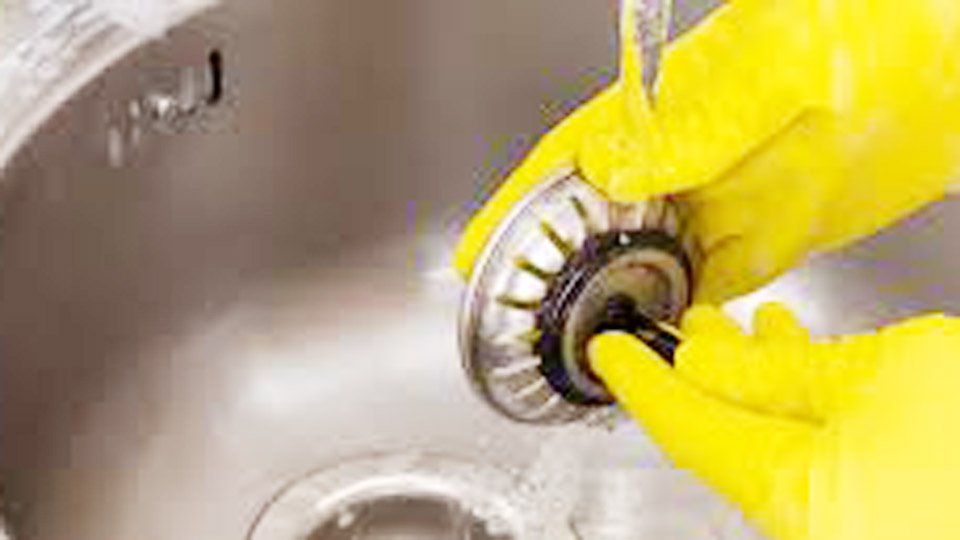
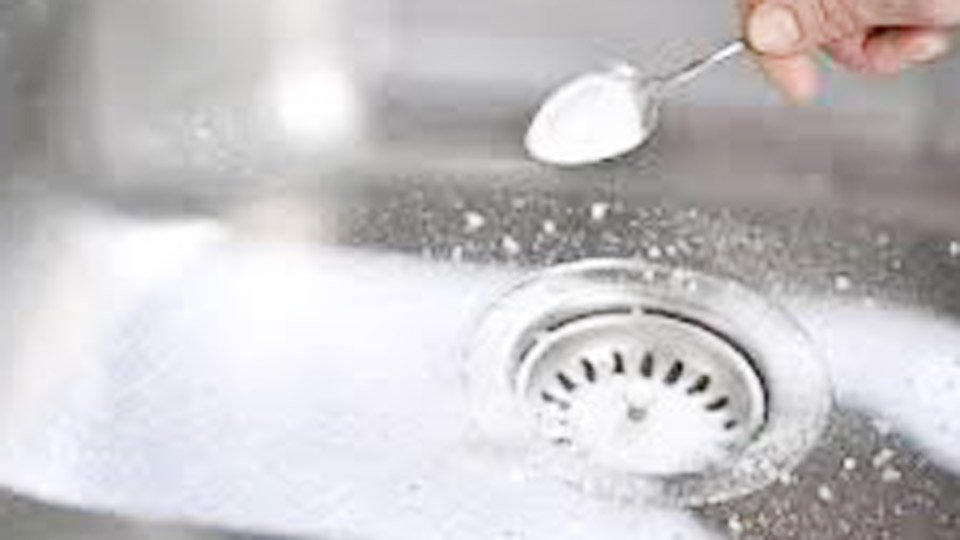
Your sink sees a lot of action, from dishwashing to soaking laundry. Start by rinsing out any food debris. Sprinkle baking soda over the sink, then scrub with a damp sponge. For stainless steel, a splash of vinegar on a microfiber cloth adds shine. Don’t forget the faucet and handles—use an old toothbrush for tight spots.
Safety Tip: Avoid abrasive scrubbers on delicate finishes to prevent scratches.
Wipe Down Countertops
Spray your countertops with an all-purpose cleaner suited for your material (granite, quartz, or laminate). Wipe with a microfiber cloth in circular motions to lift grease and crumbs. For stubborn stains, like coffee rings, a paste of baking soda and water works wonders. Dry with a clean cloth to avoid streaks.
Degrease the Stovetop
After cooking a big meal, my stovetop often looks like a grease bomb went off. Remove grates or drip pans and soak them in hot, soapy water. Wipe the stovetop with a vinegar-soaked cloth to cut through grease, then follow with a damp cloth. For gas stoves, clean burner holes carefully with a toothpick to avoid clogs.
Do’s and Don’ts for Stovetop Cleaning:
- Do: Let surfaces cool before cleaning.
- Don’t: Use steel wool, which can scratch.
- Do: Check your stove’s manual for specific care instructions.
- Don’t: Spray cleaner directly onto electric stovetops.
Deep Clean Appliances for a Spotless Finish
Appliances are the workhorses of your kitchen, but they can harbor hidden grime. Let’s give them some love.
Refresh the Refrigerator
I once found a forgotten yogurt container in the back of my fridge—yuck! Start by removing all items and tossing expired food. Wipe shelves and drawers with a mix of warm water and dish soap. For tough spills, a vinegar solution works well. Dry thoroughly to prevent mold. Don’t skip the door seals—use a toothbrush to clean crevices.
Tip: Place a box of baking soda inside to keep odors at bay.
Clean the Oven
Oven cleaning can feel daunting, but it’s worth it. For a natural approach, make a paste with baking soda and water, spread it inside the oven, and let it sit overnight. Wipe it away the next day with a damp cloth. For racks, soak them in hot, soapy water, then scrub with a non-scratch sponge.
Safety Tip: Avoid using harsh oven cleaners in poorly ventilated areas. Open a window or run a fan.
Sparkle Up the Microwave
Microwaves can get splattered fast. Heat a bowl of water with a splash of vinegar and a lemon slice for 2–3 minutes. Let it sit for 5 minutes to loosen grime, then wipe the interior with a damp cloth. Remove the turntable and wash it like a dish.
Run the Dishwasher
Yes, your dishwasher needs cleaning too! Remove the filter (if accessible) and rinse it under warm water. Run an empty cycle with a cup of vinegar in a dishwasher-safe container on the top rack. This removes buildup and keeps dishes sparkling.
Don’t Forget Cabinets and Drawers
Kitchen cabinets collect grease and dust, especially near the stove. Wipe exteriors with a damp cloth and a dab of dish soap. For wooden cabinets, use a cleaner designed for wood to avoid damage. Check inside drawers for crumbs—vacuum them out, then wipe with a damp cloth.
Real-World Scenario: When my toddler decided to “organize” my utensil drawer with cracker crumbs, I used a handheld vacuum to suck up the mess before wiping it down. Saved me so much time!
Sweep and Mop the Floors
A clean floor ties the whole kitchen together. Start by sweeping or vacuuming to remove crumbs and debris. For tile or linoleum, mop with a mix of warm water and a splash of vinegar or a floor cleaner suited for your material. For hardwood, use a damp (not wet) mop to avoid damage.
Tip: Move appliances like the fridge to sweep underneath—those areas collect dust bunnies fast.
Floor Cleaning Table:
| Floor Type | Cleaner Recommendation | Tips |
|---|---|---|
| Tile | Vinegar + water | Use a microfiber mop for shine |
| Hardwood | Wood-safe cleaner | Avoid excess water |
| Linoleum | Mild dish soap + water | Dry immediately to prevent warping |
| Laminate | Laminate-safe cleaner | Avoid soaking to protect seams |
Disinfect High-Touch Areas
Kitchens are full of high-touch spots like handles, light switches, and appliance buttons. These can harbor germs, especially in homes with kids. Wipe them with a disinfectant wipe or a cloth dampened with a vinegar solution. Pay extra attention to the fridge handle and drawer pulls.
Safety Tip: Don’t overuse disinfectant on surfaces that contact food—rinse with water after disinfecting.
Maintain Your Kitchen Between Deep Cleans
A quick daily routine keeps your kitchen manageable. I spend 10 minutes each night wiping counters, washing dishes, and sweeping the floor. It’s a game-changer for busy mornings when I’m juggling kids and coffee.
Daily Maintenance Tips:
- Wipe spills immediately to prevent stains.
- Run the dishwasher nightly if possible.
- Take out the trash before it overflows.
- Keep a microfiber cloth handy for quick wipe-downs.
Natural Cleaning Alternatives for Eco-Conscious Homes
If you’re like me and prefer eco-friendly options, natural cleaners are both effective and affordable. Vinegar, baking soda, and lemon juice can handle most kitchen messes. For example, a vinegar-soaked cloth can remove hard water stains from your sink, and baking soda scrubs away burnt-on food without harsh chemicals.
Safety Tip: Never mix vinegar with bleach—it creates toxic chlorine gas.
Motivational Conclusion
Cleaning your kitchen doesn’t have to be a chore. By following these steps, you’re not just creating a sparkling space—you’re building a healthier, safer environment for your family. Whether you’re a renter aiming to impress your landlord, a parent keeping things safe for curious kids, or a cleaning enthusiast chasing that perfect shine, this routine works. Use it weekly for a deep clean or break it into smaller daily tasks.
FAQ
How often should I deep clean my kitchen?
Aim for a deep clean once a month, focusing on appliances, cabinets, and floors. Daily maintenance, like wiping counters and washing dishes, keeps things manageable between sessions.
Is it safe to use vinegar on all kitchen surfaces?
Vinegar is safe for most surfaces like stainless steel and tile but can damage natural stone like granite or marble. Always check your surface’s care instructions and test in a small area first.
What’s the best way to remove grease from kitchen cabinets?
Mix a solution of equal parts water and vinegar with a drop of dish soap. Wipe cabinets with a microfiber cloth, then dry to prevent streaks. For stubborn grease, use a baking soda paste.
Can I clean my oven without harsh chemicals?
Yes! Spread a paste of baking soda and water inside the oven and let it sit overnight. Wipe it away with a damp cloth the next day. It’s effective and fume-free.
How do I keep my kitchen smelling fresh?
Empty the trash regularly, clean the sink with baking soda, and store an open box of baking soda in the fridge. For a natural air freshener, simmer lemon slices and herbs on the stove.