You know that moment when you finally sit down to relax after a long day — and then you spot those dull, grimy patches on your leather sofa? Yep, been there! I love my leather furniture, but keeping it clean and supple can feel like a never-ending battle.
I’ve learned that finding what is a good leather cleaner for furniture isn’t just about keeping it shiny — it’s about protecting your investment and making sure it lasts for years. I’ve tried everything from DIY mixes to fancy store-bought brands, and honestly, a few surprises taught me what really works (and what doesn’t). Let’s dive in — your leather deserves some love!

Image by ahouseinthehills
Why Leather Needs Special Care (And Why I Learned the Hard Way)
I once grabbed a regular upholstery spray for a coffee stain on my brown leather recliner. Big mistake. It left a weird film and dried out the surface so bad it cracked within a month. Leather is porous but also finished with protective coatings, so you need cleaners that clean gently, condition, and protect.
A good cleaner removes dirt, oils from hands, and spills without stripping natural oils. It matters for hygiene—think dust mites and bacteria hiding in crevices—and for longevity. Quality leather furniture can last decades if you maintain it, saving you thousands on replacements.
What Makes a Leather Cleaner “Good”? Key Ingredients to Look For
Not all cleaners are equal. I look for pH-balanced formulas around 5-7, mimicking leather’s natural acidity. Avoid anything with bleach, ammonia, or strong solvents; they’ll eat away at the finish.
Natural options shine here. I love ones with lanolin or beeswax for conditioning. For example, a cleaner with aloe vera soothes and hydrates. Commercial ones like Leather Honey or Chamberlain’s have worked wonders on my vintage ottoman, penetrating deep without residue.
Homemade vs. Store-Bought: What I Use Daily
DIY is my first go-to for light cleaning. Mix equal parts white vinegar and water in a spray bottle, add a drop of mild dish soap. It cuts grease like magic on my kitchen bar stools.
For tougher jobs, I grab a dedicated product. Here’s a quick comparison of my favorites:
| Cleaner Type | Pros | Cons | Best For | My Rating |
|---|---|---|---|---|
| Homemade Vinegar Mix | Cheap, eco-friendly, no residue | Less conditioning | Daily wipes | 4/5 |
| Leather Honey | Deep conditions, non-toxic | Takes time to absorb | Dry, cracked leather | 5/5 |
| Bick 4 | Quick-drying, UV protection | Mild scent | Frequent use | 4.5/5 |
| Chemical Guys Spray | Fast acting on stains | Stronger smell | Heavy spills | 3.5/5 |
When to Clean Your Leather Furniture (And Signs It’s Time)
Don’t wait for disasters. I clean my living room set every 3-6 months, more if we have pets. Look for dullness, sticky spots, or fading color—those are cries for help.
Spills? Blot immediately with a dry cloth; never rub. For ink or wine, act within hours. I saved a client’s white leather sofa from red wine by dabbing with my vinegar mix right away.
Avoid cleaning in direct sun; it dries too fast and causes streaks. Evening is my prime time.
Step-by-Step: How I Clean My Leather Couch Like a Pro
Grab your supplies: soft microfiber cloths, cleaner, conditioner (if separate), and a vacuum with brush attachment.
- Vacuum first. I always start here to suck up crumbs and dust from seams. Use low suction to avoid scratches.
- Test in a hidden spot. Dab a little cleaner on the back or underside. Wait 5 minutes. No change? Good to go.
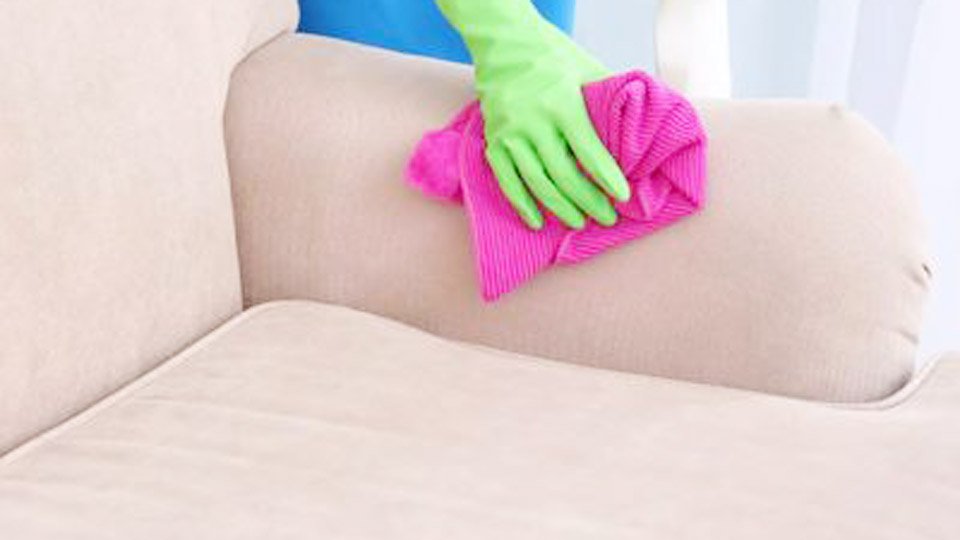
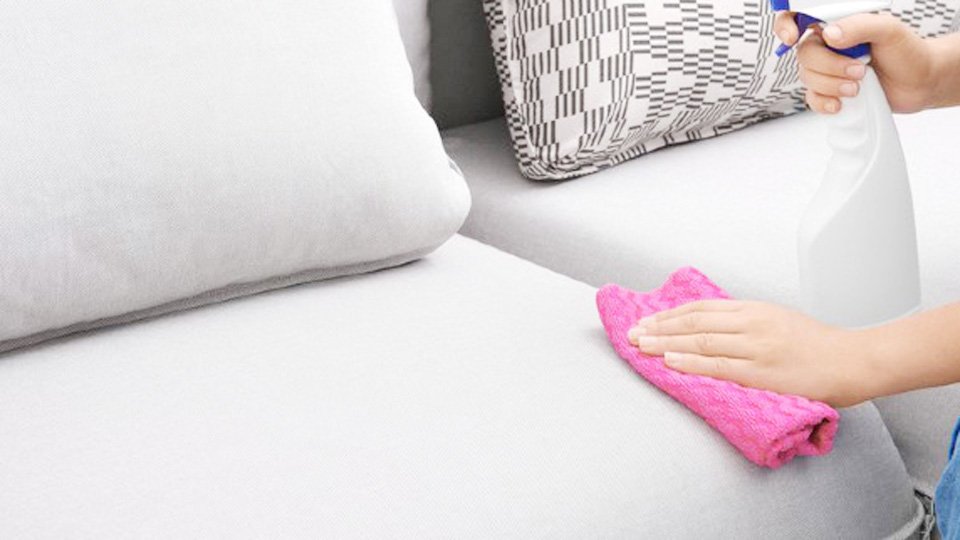
- Apply sparingly. Spray cleaner on the cloth, not the leather—prevents over-wetting. Wipe in circular motions, section by section.
- Buff dry. Use a clean cloth to remove excess. Leather should feel tacky, not slick.
- Condition. I follow with a leather balm. Massage in, let sit 10 minutes, buff off. My couch feels buttery soft after.
Took me 20 minutes for a full sectional. Pro tip: Do one cushion at a time if you’re interrupted by kids.
Handling Tough Stains: Real Stories from My Cleaning Adventures
Pet urine on leather? Happened when my cat decided the armchair was her throne. I blotted, then used an enzyme cleaner labeled for leather. Followed with conditioner—no smell left.
Grease from pizza night? Cornstarch absorbs it. Sprinkle, wait 15 minutes, brush off, then clean. Saved my light gray loveseat.
For scratches, a bit of olive oil on a cotton swab blends them. Not perfect, but better than nothing. I’ve dyed small areas with matching leather paint for deeper damage.
Eco-Friendly Options I Swear By (And How to Make Them)
Going green doesn’t mean weak cleaning. My vinegar-olive oil mix (1:1 with a dash of lemon essential oil) cleans and shines in one step.
Baking soda for odors: Sprinkle, wait an hour, vacuum. I use it on my husband’s recliner after game days.
Castile soap diluted in water tackles body oils. Gentle on aniline leather, which is super absorbent—test extra carefully there.
Choosing the Right Cleaner for Your Leather Type
Know your leather. Protected (pigmented) is most common; it handles commercial cleaners well. Unprotected (aniline) needs natural, no-water formulas.
I check tags: “P” for protected, “A” for aniline, “N” for nubuck. My office chair is nubuck—suede-like—so I use a brush and special eraser.
Budget matters. A $10 homemade batch lasts months. Premium like Weiman’s costs $15 but protects against UV.
Comparison: Natural vs. Synthetic Cleaners
| Aspect | Natural (e.g., Vinegar) | Synthetic (e.g., Lexol) |
|---|---|---|
| Cost | Under $5 | $10-20 |
| Scent | Vinegary (fades) | Pleasant or none |
| Effectiveness on Stains | Good for light | Better for tough |
| Eco-Impact | Low | Varies |
| Conditioning | Needs separate step | Often built-in |
Common Mistakes I’ve Made (So You Don’t Have To)
Over-wetting is killer. I once soaked a cushion—mildew underneath. Always wring cloths well.
Using paper towels? They leave lint. Microfiber is my ride-or-die.
Skipping conditioner after cleaning dries leather out. I learned after a winter of cracked arms on my sofa.
Heat sources nearby speed aging. Keep furniture 2 feet from vents.
Maintaining Leather Between Deep Cleans
Weekly dust with a damp cloth. I do this while watching TV.
Rotate cushions for even wear. Prevents sagging in high-use spots.
Use throws for pets or kids. My dog’s blanket saves daily hassle.
Yearly professional clean for antiques. I splurged once on a 1920s chair—worth it.
Tools That Make Leather Cleaning Easier
Soft horsehair brush for crevices. Vacuum attachments too.
Spray bottles with fine mist. Avoid aerosols; they’re wasteful.
Leather protector spray post-clean. I apply Furniture Clinic’s—it repels future spills.
Safety First: Protecting You and Your Furniture
Work in ventilated areas, especially with commercial cleaners. Gloves if sensitive skin.
Keep kids/pets away until dry. Some ingredients irritate.
Store cleaners cool and dark. My garage shelf is dedicated.
DIY Leather Cleaner Recipes I’ve Perfected
Basic Wipe: 1 cup warm water, 1 tbsp mild soap, 1/4 cup vinegar. Shake, spray on cloth.
Conditioner: 1 part vinegar, 2 parts linseed oil. Apply sparingly; smells strong at first.
Odor Buster: Baking soda + few drops lavender oil. Deodorizes naturally.
These cost pennies and work on bags, jackets too.
When to Call Pros (And How to Find Good Ones)
Deep cracks, tears, or color loss? DIY won’t cut it. I refer to local upholsterers.
Ask for references, leather-specific experience. Check reviews on Yelp.
Cost: $100-300 per piece, but extends life 10+ years.
Long-Term Benefits: Why Consistent Care Pays Off
My 15-year-old sofa looks better than new neighbors’ cheap ones. Guests always compliment the softness.
Saves money—no replacements. Healthier home; less allergens.
Confidence boost. You’ll handle spills without panic.
Conclusion: Clean Smarter, Not Harder
Finding a good leather cleaner for furniture boils down to matching your needs—daily maintenance or tough stains—with gentle, effective products. Start simple with homemade, graduate to trusted brands as needed. Your leather will thank you with years of comfort.
One last tip from my early days: Always condition after cleaning. I skipped it once on a thrift store find and regretted the stiffness. Now, it’s non-negotiable.
FAQ
What’s the best natural leather cleaner for furniture?
A mix of white vinegar and water (1:1) with a drop of soap works wonders for light dirt. Wipe gently and condition after.
Can I use saddle soap on my couch?
Yes, for protected leather—it’s great for boots too. But test first; it can darken some finishes.
How often should I clean leather furniture?
Every 3-6 months for deep clean, weekly dusting. More if high traffic or pets.
Does leather cleaner remove ink stains?
Rubbing alcohol on a cotton swab for fresh ink. Dab, don’t rub; follow with conditioner.
Is baby wipes safe for leather?
In a pinch for quick spots, but avoid alcohol-based ones—they dry it out. Not for regular use.