I was chatting with a friend who manages a busy restaurant kitchen when she mentioned they had a “stack cleaning” scheduled for the week — and honestly, I had no idea what that meant. So of course, my curiosity kicked in. The more I learned, the more I realized how important this process is for keeping commercial kitchens safe, efficient, and free from grease buildup.
If you’ve ever heard the term and wondered what actually gets cleaned (or why it matters so much), you’re not alone. Let me break down what kitchen stack cleaning really is and why it’s such a big deal for any kitchen that cooks regularly.

Image by cpomanagement
Why Kitchen Stack Cleaning Actually Saves Your Sanity
Normal dishwashing burns time because you keep switching tasks—rinse, soap, scrub, rinse again, dry, put away. Every switch costs mental energy. Stack cleaning groups everything into zones and phases so you move once through the kitchen instead of twenty times.
It also saves water (yes, really), cuts down on that annoying splash-back that soaks your shirt, and—most importantly—makes the job feel smaller. When the Leaning Tower of Pots no longer scares you, you actually finish the job instead of leaving half of it for “morning you” (who hates evening you, by the way).
The Only Tools You Really Need (Most Are Already in Your Drawer)
You don’t need fancy gadgets. I’ve done full stack cleans with nothing more than:
- Your double sink (or one sink + a dish pan)
- A good dishwand or brush
- Dawn (or whatever grease-cutter you love)
- A couple of microfiber towels
- Optional but glorious: sink grids or a silicone mat to protect glasses
That’s it. I’ve tried the $200 electric dish brushes and the viral TikTok scrubbers. They collect dust. The stack method is the real MVP.
Step-by-Step: How I Stack Clean After a Weeknight Disaster
Here’s exactly what I do when I walk into a kitchen that looks like a tornado hit a spaghetti factory.
Clear and sort everything on the counter first. I make three quick piles: plastics on the left, everyday dishes in the middle, pots/pans on the right. Trash and recycling go straight out. This takes 60 seconds and instantly calms the chaos.
Fill one side of the sink with the hottest water your hands can stand + a big squirt of soap. If your tap water isn’t hot enough, boil a kettle and top it off. Heat is your secret weapon against baked-on grease.
Stack smart in the soapy sink. Plates go vertically like files in a cabinet—water can reach every surface. Bowls nest inside each other with a little space so soap gets in. Glasses and mugs go upside down on the sink grid if you have one. Pots and pans go in last, largest on the bottom.
Let it soak 5–10 minutes while you wipe counters and sweep. This is the magic part. Everything is already working while you’re doing something else.
Scrub phase. Start with the cleanest items first—glasses, silverware, plates—then move to greasy stuff. The hot water has already loosened 80% of the mess, so you’re basically just guiding the gunk off.
Rinse side gets its own system. I keep a dish pan or the empty sink side for rinsing. Stack rinsed items on a towel or rack the same way—plates vertical, bowls nested—so they drain fast and don’t pool water.
Dry only what you must. I let everything air-dry overnight on towels across the counter. In the morning I put it away in 3 minutes while coffee brews.
Whole process for a family-of-five weeknight disaster? 18–22 minutes. I’ve timed it.
When Stack Cleaning Works Best (and When It Doesn’t)
Perfect for:
- Daily dinner messes
- Sheet-pan dinners (the worst offenders)
- Post-baking marathons
- Big holiday prep when you need the sink free fast
Skip it or modify when:
- You have antique china or wooden cutting boards that can’t handle long soaks
- Cast iron (obviously—I just wipe mine down separately)
- You’re dealing with raw chicken juice (sanitize everything separately first)
Pro Tips I Wish I Knew Earlier
- Sprinkle baking soda in the bottom of burnt pots before stacking—by the time you get to them, the burn ring wipes right off.
- Keep a small bowl of white vinegar by the sink. A quick splash cuts soap residue on glassware like nothing else.
- If your silverware is gross, throw it all in a bowl of the hottest soapy water first. It soaks while everything else does.
- Train your family: “Rinsed and stacked = love language.”
Handheld Scrubbers vs. Traditional Brushes vs. Dishwand
| Tool | Speed | Grease Fighting | Hand Fatigue | Cost | My Vote |
|---|---|---|---|---|---|
| Basic long brush | Medium | Good | High | $3–8 | Everyday workhorse |
| Dishwand (soap inside) | Fast | Excellent | Low | $5–12 | Weeknights |
| Electric spinning scrubber | Very Fast | Overkill for most | None | $30–100 | Only if you have arthritis |
I keep a dishwand for 90% of nights and a cheap brush for the rare stuck-on lasagna.
The “Lazy” Version for When You’re Truly Exhausted
Even I have nights where I can’t face the full method. Here’s my 4-minute compromise:
- Scrape food into trash.
- Stack everything exactly as above in hot soapy water.
- Go collapse on the couch.
- Come back in an hour (or tomorrow morning). Everything rinses clean in 30 seconds because it soaked forever.
Zero judgment. It still counts as winning.
How Often Should You Really Deep-Clean the Sink Itself?
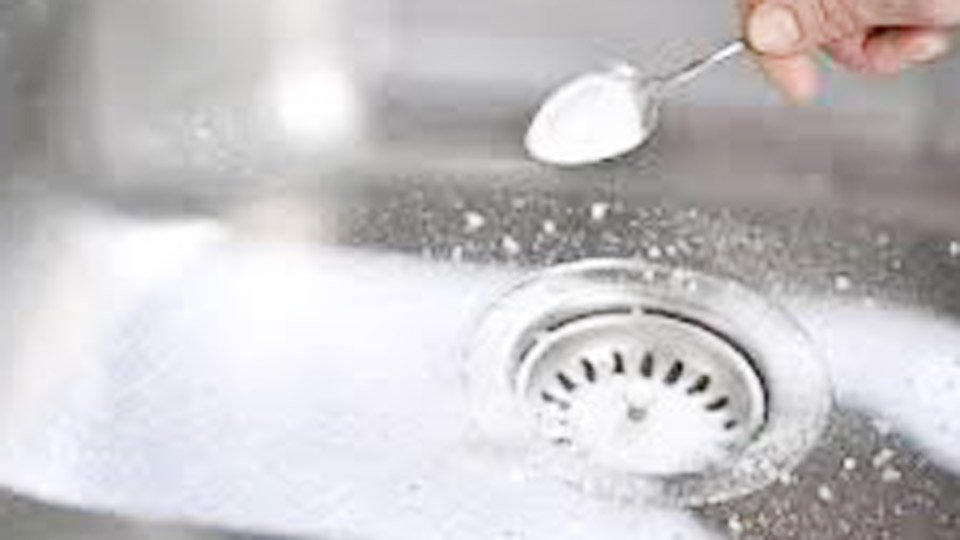
Your sink is basically a giant petri dish wearing a stainless-steel costume. Once a week, after a stack clean, I sprinkle baking soda all over, scrub with a wet brush, then pour a kettle of boiling water down the drain. Takes two extra minutes and keeps the whole kitchen from smelling like old spaghetti.
Choosing the Right Dish Soap for Stack Success
Not all soaps are equal when you’re soaking. I’ve tried the “natural” ones that barely touch grease—don’t bother. Dawn Platinum or the Costco Kirkland version cut through oil so fast you’ll think it’s cheating. A single squirt handles an entire mountain.
Final Thoughts
Kitchen stack cleaning turned me from the person who “let things soak” for three days into someone who can host twelve people for tacos and still go to bed with a sparkling kitchen. It’s not about being a cleaning superhero—it’s about working smarter so you have time for the stuff that actually matters.
Next time you open that cabinet and feel the avalanche coming, just smile. Stack it, soak it, knock it out in twenty minutes, and go watch that show everyone’s talking about.
Quick FAQ
How long can I safely leave dishes soaking overnight?
Totally fine for regular food messes. Just don’t leave raw meat juices or dairy sitting out—quick rinse those first.
Will stacking scratch my good plates?
Not if you stack vertically like files and avoid sliding them around. I’ve used the same everyday dishes for twelve years with this method—no scratches.
Can I stack clean in a single sink?
Yes! Use a large dish pan for the soapy soak inside the sink, then rinse directly under the faucet onto the drain. Works like a charm.
Does this really save water?
I ran my water meter out of curiosity—stack method uses roughly 40% less than running the tap constantly while washing one item at a time.
What about super delicate wine glasses?
Hand-wash those separately first (takes 30 seconds), then use the rest of the stack method for everything else. Your stems will thank you.