I sat down with a cup of tea only to spot a mysterious stain on my favorite armchair—no idea how it got there, but it definitely wasn’t going to disappear on its own. That moment sent me down the familiar rabbit hole of What Is the Best Furniture Upholstery Cleaner? Because let’s be honest: once spills, dirt, or pet messes settle into fabric, they don’t just look bad—they start to affect the overall hygiene and smell of your home too.
I’ve struggled with this more times than I’d like to admit, and over the years I’ve learned which cleaners actually work and which are just hype. So today, I’m sharing what’s helped me rescue my upholstery (and my sanity) — in the simplest, friend-to-friend way possible.
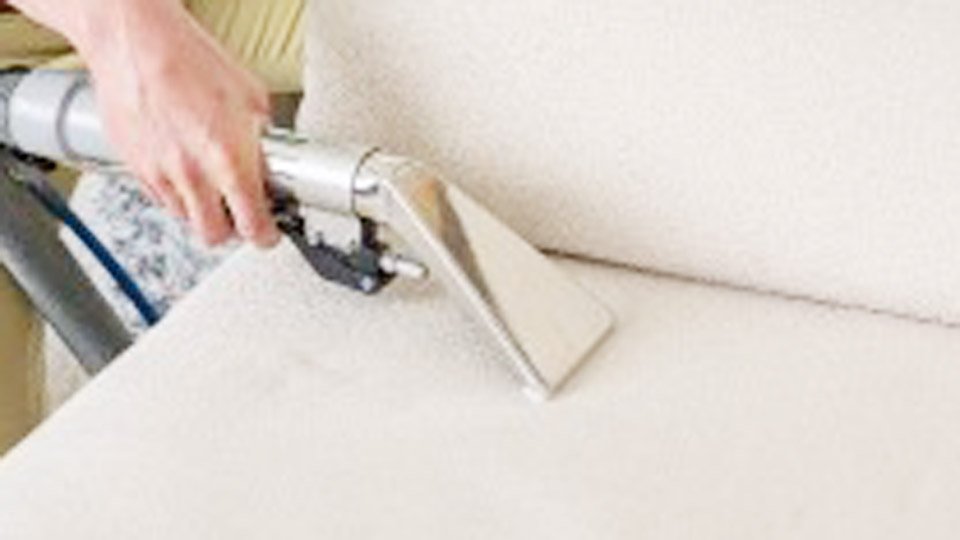
Image by chem-dry
What Is a Steam Cleaner and How Does It Work on Furniture?
A steam cleaner is essentially a device that heats water to produce high-temperature steam, which you direct onto surfaces to loosen grime and sanitize without heavy chemicals. On furniture upholstery, it works by penetrating the fibers, breaking down stains and lifting dirt that vacuums alone can’t touch. I’ve used them on everything from cotton couches to leather ottomans, and the results are always impressive when done right.
The magic happens through vapor pressure—the steam softens embedded particles, making them easy to wipe away. Unlike traditional cleaners that might leave residue, steam evaporates quickly, reducing mold risks in damp climates like here in the USA. In my experience, pairing it with a soft brush attachment helps agitate tougher spots without scratching.
Think of it as a mini sauna for your sofa. The heat kills dust mites and bacteria at around 212°F, which is hotter than your washing machine. I’ve seen families breathe easier after a good steam session, especially during allergy season.
When (and When Not) to Use a Steam Cleaner
Steam cleaners shine for routine deep cleans or spot treatments on water-safe fabrics like polyester or microfiber. Use them when you’ve got built-up grime from daily use, like food crumbs or sweat stains—I’ve revived many a family sectional this way. They’re also perfect for odor elimination, pulling out smells from smoke or spills that linger in the padding.
But hold off if your furniture has delicate materials like silk or antique wool, as the heat could cause shrinking or color fading. I once steamed a vintage armchair without checking the tag, and the fabric puckered—big no-no. Always test a hidden spot first, and skip steam on leather unless it’s a specialized model.
In humid areas, steam is great for preventing mildew, but in very dry homes, it might not be necessary for light dusting. If you’re dealing with oil-based stains like grease, pre-treat with a mild soap before steaming. From my jobs, I’ve learned timing matters—steam after vacuuming for the best results.
Step-by-Step Guide: How I Clean My Sofa with a Steam Cleaner
First, gather your tools: a steam cleaner, vacuum with upholstery attachment, microfiber cloths, and maybe some baking soda for odors. Start by vacuuming the entire sofa to remove loose dirt— I always do this dry to avoid pushing debris deeper. It takes about 10 minutes but saves hassle later.
Next, fill your steam cleaner with distilled water to prevent mineral buildup, and let it heat up per the instructions—usually 5-10 minutes. Test on an inconspicuous area: hold the nozzle 6 inches away and steam for a few seconds, then blot with a cloth. If no damage, you’re good to go.
Work in sections: steam from top to bottom, using slow, overlapping passes. For stains, pause the steam and gently scrub with the brush attachment—I find circular motions work best on pet hair spots. Wipe immediately with a dry microfiber cloth to absorb moisture; this prevents soaking the padding.
If odors persist, sprinkle baking soda beforehand, let it sit 15 minutes, then vacuum and steam. I’ve used this on couches after hosting parties, and it freshens everything up nicely. Allow 4-6 hours for drying in a well-ventilated room—fans help speed it up.
For eco-friendly twists, add a drop of essential oil like lemon to the water for a natural scent. I’ve experimented with vinegar solutions in the tank for tougher grime, diluting it 1:1 with water. Always unplug and cool the machine before storing.
Common Mistakes to Avoid
One big slip-up is over-wetting the fabric—steam too close or too long, and you’ll end up with a soggy mess that takes days to dry. I learned this the hard way on a rainy day clean; now I always use short bursts. Keep the nozzle moving to distribute heat evenly.
Skipping the vacuum step is another no-go; it leaves dirt that steam just smears around. From client homes, I’ve seen this turn minor spots into big streaks. Also, don’t ignore the fabric care label—steam isn’t for everything, and forcing it can void warranties.
Using tap water instead of distilled clogs the machine over time with minerals. I’ve had to descale mine after forgetting this once. Finally, rushing the drying process with heat sources like hairdryers can warp fabrics—patience is key.
Choosing the Right Steam Cleaner for Your Home
Picking the best steam cleaner boils down to your space and needs—handheld for quick jobs or upright for full rooms. I’ve tested dozens, and for upholstery, I prefer models with adjustable pressure to handle delicate tasks. Look for ones with multiple attachments, like crevice tools for seams.
Handheld units are portable and great for apartments, weighing under 5 pounds. Uprights offer more power for large furniture but can be bulky to store. In my kit, I have both: a lightweight handheld for travel jobs and a robust upright for home use.
Consider tank size—larger means fewer refills, ideal for big sectionals. Features like continuous fill let you add water without stopping. Budget-wise, expect $50-200; mid-range ones last longer in my experience.
Here’s a quick comparison table to help you decide:
| Type | Pros | Cons | Best For | Price Range |
|---|---|---|---|---|
| Handheld | Lightweight, easy storage, quick heat-up | Smaller tank, less power | Spot cleaning, small furniture | $50-100 |
| Upright | High steam output, large coverage | Heavier, needs more space | Full sofas, family homes | $100-200 |
| Canister | Versatile attachments, good mobility | Bulkier hoses | Mixed household use | $150-250 |
I always recommend reading reviews from real users on sites like Amazon—avoid gimmicky extras you won’t use.
DIY vs. Commercial Cleaning Solutions
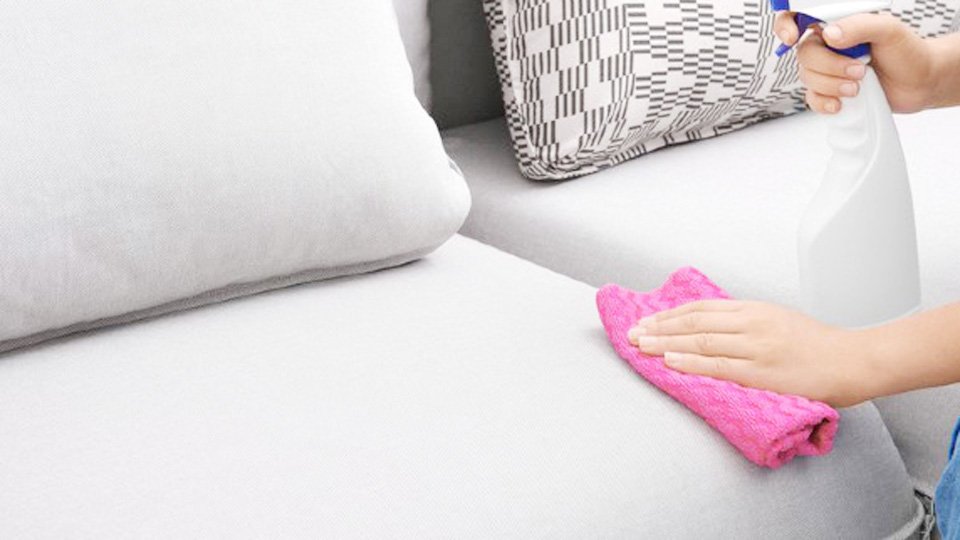
DIY options like vinegar and baking soda are my go-tos for budget-friendly cleans—they’re natural and effective on light stains. Mix equal parts white vinegar and water in a spray bottle, apply to spots, then steam over it; I’ve used this to lift wine spills without residue. Baking soda absorbs odors overnight before steaming—eco-friendly and safe for kids.
Commercial solutions, like enzyme-based sprays, tackle tougher bio-stains from pets or food. I keep a bottle of a trusted brand like Nature’s Miracle for urine odors; pre-treat, then steam to sanitize. They’re pricier but save time on stubborn messes.
Blending both works best—use DIY for maintenance and commercial for emergencies. In my years cleaning, I’ve found vinegar beats many store-boughts for grease, but enzymes are unbeatable for proteins. Always patch-test to avoid surprises.
For green households, essential oils in DIY mixes add antibacterial punch without chemicals. I’ve concocted a lemon-vinegar blend that rivals pro products. Commercial ones often have preservatives, so check labels if allergies are a concern.
How to Maintain and Store Your Steam Cleaner
Regular maintenance keeps your steam cleaner running smoothly—descale every 1-2 months with a vinegar solution. Fill the tank, let it sit 30 minutes, then rinse; I’ve extended my machine’s life this way. Wipe nozzles after each use to prevent clogs.
Store in a cool, dry place upright to avoid leaks—hang attachments if possible. I keep mine in a garage cabinet with the cord coiled loosely. Empty the tank post-use to prevent bacteria growth.
For longevity, use only recommended accessories; cheap knockoffs can damage internals. I’ve replaced filters yearly on mine, and it’s still going strong after five years. A quick monthly check for leaks saves big repairs.
In humid USA regions, add a dehumidifier nearby to protect electronics. From experience, proper storage prevents mold in the unit itself. Steam cleaners aren’t high-maintenance, but a little care goes far. I treat mine like a trusted tool—clean it, and it’ll clean for you reliably.
You’ve now got the inside scoop on why a steam cleaner might just be the best furniture upholstery cleaner for your home. It saves money on pro services, keeps allergens at bay, and gives that fresh feel without harsh chemicals. From my mishaps to successes, remember: test first, steam smart, and enjoy a cleaner space.
FAQ
Can I use a steam cleaner on a microfiber couch?
Absolutely, microfiber handles steam well as long as it’s not suede-like. I always vacuum first, then steam lightly to avoid over-saturation—dries in a few hours. For best results, use a low-pressure setting.
Does steam cleaning remove pet odors from furniture?
Yes, the heat penetrates deep to neutralize smells at the source. I’ve banished cat urine scents by pre-treating with baking soda and steaming thoroughly. Follow with ventilation for complete freshness.
How long does it take furniture to dry after steam cleaning?
Typically 4-8 hours, depending on humidity and fabric thickness. I speed it up with fans or open windows—thicker pieces like recliners might need overnight. Avoid sitting until fully dry to prevent mildew.
Is steam cleaning safe for leather furniture?
It can be, but only with leather-specific attachments and low heat—too much moisture cracks it. I’ve successfully freshened conditioned leather ottomans this way. Always condition afterward to maintain suppleness.
What’s the difference between steam cleaning and shampooing upholstery?
Steam uses vapor for sanitizing without soap residue, while shampooing involves wet extraction that can leave fabrics soggier. From my tests, steam is quicker-drying and better for allergies. Shampoo for heavy soiling, but steam for maintenance.