I’ve spent years scrubbing floors, both in my own home and as a professional cleaner, and let me tell you, grout is the unsung hero of tile floors—and their biggest pain point. When it’s clean, your floors sparkle like they’re fresh from the showroom. But when it’s grimy? It’s like your whole room is wearing dirty socks.
So, what is the best grout cleaner for floor tiles? After testing countless products and DIY solutions on everything from 1980s bathroom tiles to modern kitchen floors, I’m sharing my hard-earned expertise to help you get your grout gleaming without wasting time, money, or elbow grease.
Dirty grout isn’t just an eyesore—it can harbor bacteria, mold, and allergens, especially in high-traffic areas like kitchens and bathrooms. Clean grout means a healthier home, better air quality, and floors that last longer. Plus, who doesn’t want to save a few bucks by avoiding costly replacements or professional deep cleans?
Whether you’re a homeowner, renter, DIY enthusiast, or a busy parent juggling spills and sticky messes, this guide will walk you through proven methods, practical tools, and real-world tips to tackle grout.

Image by everydaycheapskate
Why Grout Cleaning Matters for Your Home
Grout is the porous, cement-based material that fills the gaps between your tiles. It’s tough but not invincible. Dirt, grease, and moisture seep into its pores, turning white grout gray or even black over time. In bathrooms, mold loves to set up shop in damp grout lines. In kitchens, spills like coffee or spaghetti sauce can stain grout if not cleaned promptly. Neglecting grout doesn’t just dull your floors—it can lead to health hazards and costly repairs.
Regular cleaning keeps your floors looking fresh, extends their lifespan, and saves you from scrubbing on your hands and knees every month. Plus, clean grout makes your home feel inviting, whether you’re hosting guests or just enjoying a quiet night in. Trust me, I’ve seen the difference a sparkling floor makes when I walk into a client’s home after a deep clean—it’s like giving the whole room a facelift.
Types of Grout Cleaners: What Works Best?
What Are Grout Cleaners?
Grout cleaners come in three main forms: commercial products, DIY solutions, and professional-grade options. Commercial cleaners include sprays, gels, and pastes designed to break down grime and stains. DIY solutions often use household staples like baking soda or vinegar. Professional cleaners, like those used by services such as Stanley Steemer, often involve specialized formulas or equipment like steam cleaners.
Why and When You Need Them
You need a grout cleaner when your floors start looking dingy despite regular mopping. High-traffic areas like entryways or kitchens may need cleaning every 3–6 months, while bathrooms might need monthly attention due to moisture. If you notice discoloration, mold, or stubborn stains (like that time my kid spilled grape juice in the kitchen), it’s time to act.
Step-by-Step Cleaning Process
Sweep or Vacuum First: Remove loose dirt and debris. I use a cordless vacuum for quick passes—grit can scratch tiles if left behind.
Choose Your Cleaner: For tough stains, I love Zep Grout Cleaner & Brightener (acidic but effective) or The Pink Stuff paste for a gentler option. For DIY, mix ½ cup baking soda, ¼ cup hydrogen peroxide, and 1 tsp dish soap.
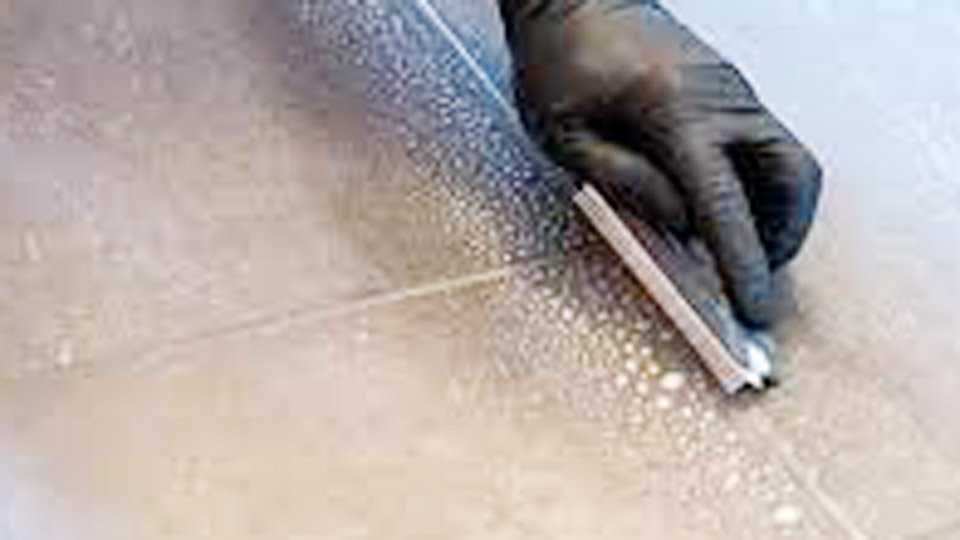
Apply the Cleaner: For sprays, aim directly at grout lines. For pastes, use a toothbrush or small grout brush to spread it evenly. Let it sit for 5–10 minutes to loosen grime.
Scrub Smart: Use a stiff-bristled grout brush (I like the Full Circle Grunge Buster) or an electric scrubber like the Rubbermaid Reveal for less elbow grease. Scrub in small sections to avoid tiring yourself out.
Rinse Thoroughly: Wipe with a damp microfiber cloth and rinse with clean water. Excess cleaner can leave a sticky residue.
Dry and Inspect: Dry with a microfiber towel to prevent water spots. Check for missed spots and repeat if needed.
Common Mistakes to Avoid
Using Acidic Cleaners on Natural Stone: Products like Zep can etch marble or limestone. Always check your tile type first.
Over-Scrubbing: I once scrubbed so hard I damaged loose grout. If it’s crumbling, it may need resealing or replacement.
Skipping Ventilation: Strong cleaners like Zep need good airflow. Open a window or run a fan to avoid fumes.
Not Testing First: Always test cleaners on a small, hidden area. I learned this the hard way when a cleaner dulled my client’s glossy tiles.
Pro Tips and Shortcuts
Use a Grout Pen for Quick Fixes: If stains won’t budge, a grout pen can cover discoloration for a cosmetic touch-up.
Invest in a Spin Scrubber: My Rubbermaid Reveal cut cleaning time in half on a client’s 20-year-old kitchen floor.
Seal Your Grout: Apply a sealant like AquaMix every 1–2 years to prevent stains. I do this for my own bathroom annually—it’s a game-changer.
Commercial Grout Cleaners: Top Picks
What Are Commercial Grout Cleaners?
These are store-bought products formulated to tackle grout stains. They range from sprays like Black Diamond Ultimate to pastes like The Pink Stuff. Some are acidic (like Zep), while others are pH-neutral or eco-friendly (like Better Life Natural Cleaner).
Why and When to Use Them
Commercial cleaners are ideal for deep cleans or stubborn stains that DIY solutions can’t handle. Use them for old grout, heavy grime, or when you want fast results without mixing your own solutions. They’re a lifesaver for busy families or renters who need to restore grout before moving out.
Comparison Table: Top Commercial Grout Cleaners
| Product | Form | Best For | Pros | Cons |
|---|---|---|---|---|
| Zep Grout Cleaner & Brightener | Liquid | Deep stains, white grout | Fast-acting, brightens grout | Acidic, not for natural stone |
| The Pink Stuff Paste | Paste | General cleaning, eco-friendly | Affordable, versatile, no scent | Requires more scrubbing |
| Black Diamond Ultimate Spray | Spray | Colored grout, large areas | Easy to apply, no residue | Pricey per ounce |
| Better Life Natural Cleaner | Spray | Eco-conscious homes | Safe for kids/pets, biodegradable | Less effective on old stains |
Step-by-Step Cleaning Process
- Read the Label: Each product has specific instructions. Zep requires a 2–3 minute sit time, while The Pink Stuff needs more scrubbing.
- Apply Precisely: Use a pour spout or spray nozzle for liquids. For pastes, a small brush or finger (with gloves) works best.
- Scrub with the Right Tool: A stiff-bristled brush is key. I keep an old toothbrush for tight spots.
- Rinse and Dry: Use a damp cloth to wipe away residue, then dry with a microfiber towel for a streak-free finish.
- Ventilate: Always open a window or use a fan, especially with acidic cleaners.
Common Mistakes to Avoid
- Mixing Cleaners: Never combine bleach-based products with ammonia-based ones—it creates toxic fumes. I once made this mistake and had to evacuate a client’s bathroom!
- Ignoring Surface Compatibility: Check if your tiles are ceramic, porcelain, or natural stone. Acidic cleaners like Zep can damage marble.
- Overusing Product: More isn’t better. Excess cleaner can leave a film that attracts dirt faster.
Pro Tips and Shortcuts
- Buy in Bulk: Zep’s gallon refill saves money for large floors.
- Use a Spray Bottle for Precision: Transfer liquid cleaners to a spray bottle for easier application.
- Pair with a Microfiber Cloth: They grab dirt better than cotton rags and leave no lint.
DIY Grout Cleaners: Budget-Friendly and Effective
What Are DIY Grout Cleaners?
These are homemade solutions using pantry staples like baking soda, hydrogen peroxide, or dish soap. They’re affordable, eco-friendly, and great for routine maintenance or light stains.
Why and When to Use Them
DIY cleaners are perfect for renters, eco-conscious households, or anyone avoiding harsh chemicals. Use them for weekly or monthly cleaning to prevent heavy buildup. They’re less effective on decades-old stains but great for keeping grout fresh.
Step-by-Step Cleaning Process
Mix Your Solution: My go-to is ½ cup baking soda, ¼ cup hydrogen peroxide, and 1 tsp dish soap. For tougher stains, add a splash of white vinegar (but only for sealed grout).
Apply to Grout Lines: Use a spoon or old toothbrush to spread the paste. For vinegar mixes, use a spray bottle.
Let It Sit: Allow 5–10 minutes for the solution to penetrate. I set a timer to avoid forgetting!
Scrub Gently: A stiff-bristled brush or electric scrubber works best. Focus on small sections.
Rinse and Dry: Wipe with a damp cloth, then dry with a microfiber towel to prevent water spots.
Common Mistakes to Avoid
- Using Vinegar on Unsealed Grout: Vinegar’s acidity can erode unsealed grout. Test with a few drops of water—if it darkens, your grout needs sealing.
- Skipping the Rinse: Leftover baking soda can leave a chalky residue. Rinse thoroughly.
- Overusing Vinegar: It’s tempting to douse stains, but too much can damage tiles or grout over time.
Pro Tips and Shortcuts
- Add Lemon for Scent: A teaspoon of lemon juice in your DIY mix adds a fresh smell without compromising effectiveness.
- Use a Squeeze Bottle: Store your mix in a condiment bottle for easy application.
- Prevent Mold: In bathrooms, run the exhaust fan for 20 minutes post-shower to keep grout dry.
Eco-Friendly and Safe Cleaning Options
What Are Eco-Friendly Grout Cleaners?
These are non-toxic, biodegradable cleaners like Better Life Natural Cleaner or DIY solutions with minimal environmental impact. They’re safe for homes with kids, pets, or allergy sufferers.
Why and When to Use Them
Use eco-friendly cleaners for routine maintenance or if you’re sensitive to chemical fumes. They’re also great for renters who want to avoid damaging surfaces. I rely on these in my home since my toddler loves “helping” with cleaning.
Step-by-Step Cleaning Process
- Choose a Safe Cleaner: Better Life or a DIY baking soda paste are my top picks.
- Apply Sparingly: Spray or spread lightly to avoid waste. Eco cleaners often need a bit more dwell time.
- Scrub with Care: Use a soft-bristled brush to avoid scratching tiles.
- Rinse Well: Eco cleaners can leave a slight residue if not rinsed thoroughly.
- Dry Completely: Use a microfiber cloth to prevent mold-friendly moisture.
Common Mistakes to Avoid
- Assuming “Natural” Means Weak: Some eco cleaners, like The Pink Stuff, are surprisingly powerful but require elbow grease.
- Not Wearing Gloves: Even natural cleaners can dry out your skin. I learned this after a marathon cleaning session left my hands raw.
- Ignoring Ventilation: Even eco-friendly cleaners need airflow to prevent irritation.
Pro Tips and Shortcuts
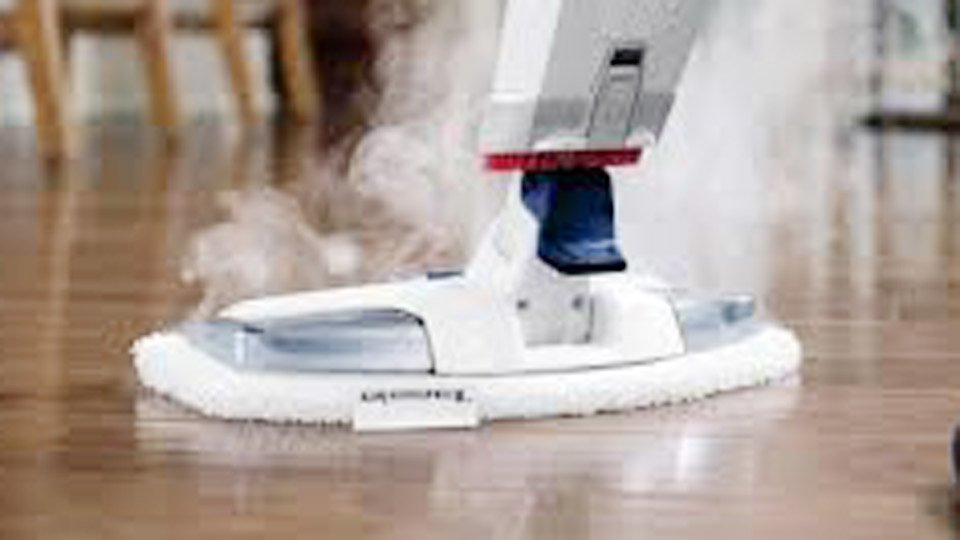
- Try Steam Cleaning: A steam mop like the Bissell PowerFresh is chemical-free and sanitizes grout. I use it monthly in my kitchen.
- Use Reusable Cloths: Microfiber cloths are eco-friendly and outperform disposable wipes.
- Store Safely: Keep cleaners out of reach of kids. I use a lockable caddy for peace of mind.
Tools That Make Grout Cleaning Easier
What Are Grout Cleaning Tools?
From brushes to steam mops, these tools make scrubbing easier. My favorites include stiff-bristled grout brushes, electric spin scrubbers, and steam cleaners.
Why and When to Use Them
Tools save time and effort, especially for large floors or stubborn stains. Use brushes for precision, spin scrubbers for speed, and steam cleaners for chemical-free deep cleans. They’re essential for busy families or professionals tackling multiple rooms.
Comparison Table: Top Grout Cleaning Tools
| Tool | Best For | Pros | Cons |
|---|---|---|---|
| Full Circle Grunge Buster Brush | Small areas, precision | Affordable, durable bristles | Requires manual effort |
| Rubbermaid Reveal Spin Scrubber | Large floors, tough stains | Fast, reduces arm strain | Battery-powered, needs recharging |
| Bissell PowerFresh Steam Mop | Eco-friendly, deep cleaning | Chemical-free, sanitizes | Expensive, bulky for small spaces |
Step-by-Step Tool Usage
- Pick the Right Tool: Brushes for small jobs, spin scrubbers for big floors, steam mops for eco cleans.
- Prep the Area: Sweep or vacuum to remove loose dirt.
- Apply Cleaner: Pair with your chosen cleaner (commercial or DIY).
- Scrub or Steam: Work in sections, focusing on grout lines.
- Rinse and Dry: Wipe clean and dry to prevent slips or mold.
Common Mistakes to Avoid
- Using Abrasive Tools on Delicate Tiles: Steel brushes can scratch porcelain or glass tiles.
- Skipping Maintenance: Clean brushes and steam mops after use to avoid spreading grime.
- Over-Wetting Floors: Too much water can seep into grout, causing cracks.
Pro Tips and Shortcuts
- Extend Brush Handles: A telescoping handle (like Fuller Brush’s) saves your knees.
- Use a Drill Brush: For tough stains, a drill attachment brush is a game-changer.
- Store Tools Properly: Hang brushes to dry to prevent moldy bristles.
Maintenance Tips to Keep Grout Clean Longer
What Is Grout Maintenance?
Maintenance involves regular cleaning, sealing, and quick spill cleanups to prevent grout stains. It’s about working smarter, not harder, to keep your floors pristine.
Why and When It’s Needed
Seal grout every 1–2 years to block moisture and stains. Clean spills immediately to avoid set-in stains. Regular maintenance reduces the need for deep cleans, saving time and effort.
Step-by-Step Maintenance Process
- Sweep Weekly: Use a soft broom or vacuum to remove dirt.
- Spot-Clean Spills: Wipe up juice, coffee, or grease with a damp cloth and mild soap.
- Seal Grout Annually: Apply a sealant like AquaMix after a deep clean. Let it dry for 24 hours.
- Use Mats in High-Traffic Areas: Place rugs at entryways to trap dirt.
- Ventilate Bathrooms: Run the exhaust fan to reduce mold-friendly humidity.
Common Mistakes to Avoid
- Ignoring Spills: A client once let red wine sit on grout overnight—it was a nightmare to clean.
- Skipping Sealing: Unsealed grout absorbs stains like a sponge.
- Using Harsh Mops: Abrasive mop pads can wear down grout over time.
Pro Tips and Shortcuts
- Keep a Spray Bottle Handy: A mix of water and dish soap is great for quick cleanups.
- Use a Squeegee in Showers: Wipe tiles after showers to reduce soap scum buildup.
- Schedule Seasonal Deep Cleans: I do mine in spring and fall to stay ahead of grime.
Clean Grout, Happy Home
After years of scrubbing grout in homes across the USA, I can tell you that finding the best grout cleaner for floor tiles comes down to your needs, budget, and tile type. Zep Grout Cleaner & Brightener is my go-to for tough stains, while The Pink Stuff paste is perfect for eco-friendly cleaning.
DIY solutions like baking soda and hydrogen peroxide are budget-friendly and effective for routine maintenance. Pair these with the right tools—like a stiff-bristled brush or a steam mop—and you’ll cut cleaning time in half while getting sparkling results.
By cleaning regularly, sealing grout, and tackling spills quickly, you’ll keep your floors looking new without breaking a sweat. Plus, you’ll create a healthier, safer home for your family. Keep a small grout brush in your cleaning caddy for quick touch-ups—it’s a lifesaver when life gets messy.
FAQ: Your Grout Cleaning Questions Answered
How do I clean grout without scrubbing?
Use a steam mop like the Bissell PowerFresh for chemical-free cleaning. Apply steam directly to grout lines, let it sit for 10 seconds, then wipe with a microfiber cloth. For stubborn stains, a no-scrub cleaner like LA’s Totally Awesome can work if left to sit for 5–10 minutes before wiping.
Can I use vinegar to clean grout?
Vinegar is risky for unsealed grout as it can erode the material. Test your grout by dripping water on it—if it darkens, it’s unsealed. For sealed grout, mix equal parts vinegar and water, spray, let sit for 5 minutes, then scrub lightly and rinse.
What’s the best tool for cleaning grout?
A stiff-bristled grout brush, like the Full Circle Grunge Buster, is affordable and precise. For faster results, try an electric spin scrubber like the Rubbermaid Reveal. Steam mops are great for eco-friendly deep cleans.
How often should I clean my grout?
Clean high-traffic areas like kitchens or bathrooms every 3–6 months. For low-traffic areas, once a year is enough. Spot-clean spills immediately and seal grout annually to reduce cleaning frequency.
Is bleach safe for grout?
Bleach can fade colored grout and weaken unsealed grout over time. Use it sparingly, diluted with water, and only on white grout. For a safer alternative, try an oxygen-based cleaner like OxiClean.