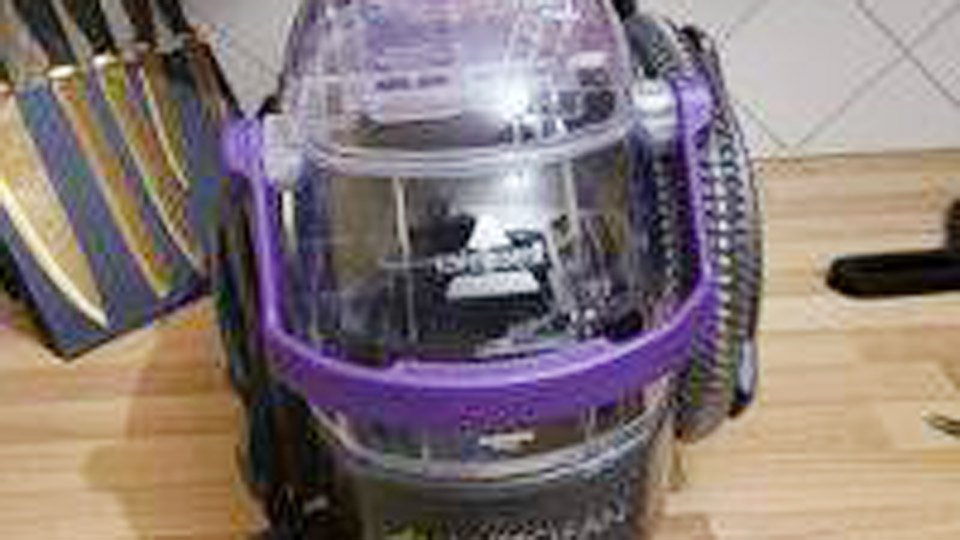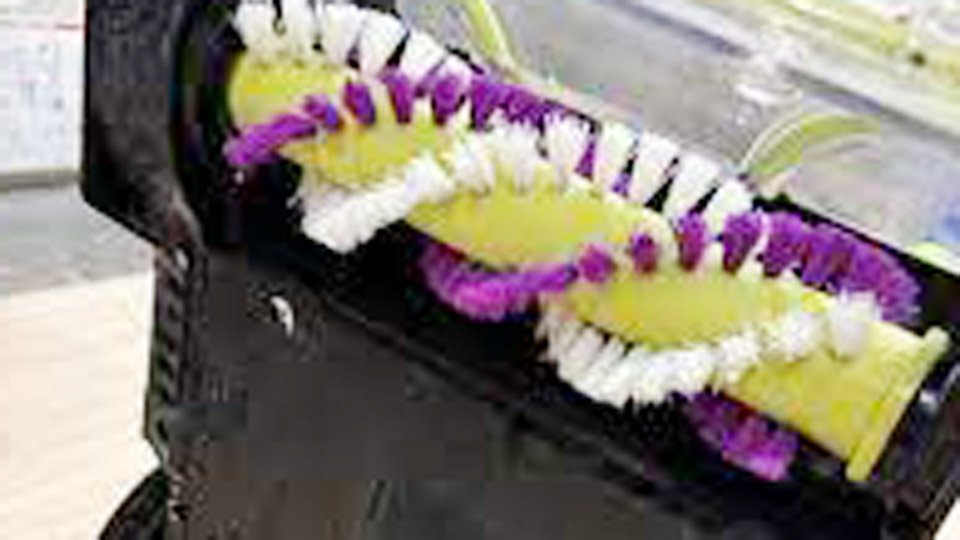
After a big spill or a round of muddy footprints, a regular vacuum just doesn’t cut it—that’s where water extraction carpet cleaning comes in. It’s one of my favorite deep-cleaning methods because it doesn’t just clean the surface; it pulls out dirt, grime, and allergens hiding deep within the carpet fibers.
If you’ve ever wondered how water extraction carpet cleaning works, think of it like giving your carpet a refreshing rinse and a powerful vacuum all at once. The machine sprays a mix of water and cleaning solution into the carpet, then immediately sucks it (and all that trapped dirt) back out. The result? A fresher, cleaner, and noticeably softer carpet that feels brand new—without the need for harsh chemicals.
Image by carpetclean-uk
What Is Water Extraction Carpet Cleaning and How Does It Work?
Water extraction carpet cleaning is a deep-cleaning method that uses hot water mixed with a cleaning solution, injected into the carpet fibers under pressure, and then immediately sucked back out with a powerful vacuum. It’s not just surface-level wiping; it penetrates deep to lift dirt, grime, and allergens that regular vacuuming misses.
From my experience, the “hot water” part is key—typically around 140-200°F—which helps dissolve tough stains like oil or grease. The machine agitates the solution into the carpet, loosening debris, and then extracts about 95% of the moisture and gunk.
I’ve used it on everything from wool rugs to synthetic blends, and it always leaves fibers fluffier and colors brighter. Safety-wise, always test a small area first to avoid color fading.
When (and When Not) to Use Water Extraction Carpet Cleaning
Timing is everything in cleaning. I pull out my water extraction setup for high-traffic areas like hallways or living rooms every 6-12 months, or sooner if you’ve got pets or allergies in the house. It’s fantastic for removing embedded dirt that causes wear and tear, and it tackles odors from spills or smoke better than dry methods.
But hold off if your carpet is antique, silk, or jute—those delicate fibers can shrink or bleed with moisture. Also, skip it right after a flood; you need professional drying first to prevent mold. In my line of work, I’ve seen folks dive in too soon after a leak, only to end up with bigger problems.
If it’s just light dust, a good vacuum and spot treatment might suffice—save the heavy artillery for when it’s really needed.
Step-by-Step Guide: How I Clean My Carpets with Water Extraction
I’ve refined this process over hundreds of jobs, so follow along like we’re tackling your carpet together. First, prep the room: Move furniture out (or at least to one side), vacuum thoroughly to remove loose dirt, and spot-treat any visible stains with a mild solution like vinegar and water.
Next, fill your machine’s tank with hot water and the recommended detergent— I swear by eco-friendly ones like those with plant-based enzymes for a chemical-free clean.
Start in a corner, working in 3-4 foot sections: Spray the solution, let it dwell for 5-10 minutes if stains are bad, then slowly pull the machine backward to extract. Go over each area twice if it’s grimy. I’ve found that overlapping passes by about 50% ensures no streaks.
Afterward, use fans or open windows to speed drying—aim for 4-6 hours. In humid climates like the Southeast, I’ve added dehumidifiers to prevent that dreaded mildew. Always wear gloves and ventilate; those solutions can be strong.
Pre-Cleaning Prep: Setting Yourself Up for Success
Before you even plug in the machine, clear the deck. I once skipped vacuuming and ended up clogging the extractor—major headache. Use a sturdy vacuum with a beater bar to lift fibers and suck up debris. For pet hair, sprinkle baking soda first; it helps loosen it without extra effort.
Test your cleaning solution on an inconspicuous spot. Mix 1 part white vinegar to 4 parts water for a DIY option—it’s gentle, kills bacteria, and costs pennies. If you’re dealing with commercial spaces, opt for pH-balanced pros like those from Bissell.
During the Clean: Techniques for Maximum Extraction
Slow and steady wins here. I hold the wand at a 45-degree angle for better penetration, and avoid over-wetting— that’s a rookie mistake that leads to sogginess. For tough spots like wine stains, pre-treat with a baking soda paste, let it fizz with vinegar, then extract.
In apartments with thin carpets, I’ve used less water pressure to prevent soaking through to the subfloor. Keep an eye on the dirty water tank; empty it often to maintain suction power.
Post-Cleaning Care: Drying and Fluffing
Don’t walk on it wet! I lay down old towels or use carpet protectors under furniture legs. To fluff fibers, rake gently with a soft brush once dry. In my home, I add a final vacuum pass 24 hours later to pick up any loosened residue.
Common Mistakes to Avoid in Water Extraction Carpet Cleaning
I’ve made ’em all, so you don’t have to. Top blunder: Using too much detergent, which leaves a soapy residue that attracts more dirt faster. Stick to the manufacturer’s dilution ratios—I’ve tested generics versus brands, and overdoing it always backfires.
Another? Rushing the dry time. Fans are your friend; without them, mold can set in within 48 hours. Also, don’t clean in high-humidity weather if possible. I recall a client who did it during a storm—ended up needing pros to remediate.
Lastly, ignoring machine maintenance. Clogged filters ruin suction; clean them after every use. Pro tip: If your carpet smells worse after, you didn’t extract enough—go over it again dry.
Choosing the Right Equipment for Water Extraction Carpet Cleaning
Not all machines are equal. For home use, I recommend upright models like the Hoover PowerDash for small spaces—they’re lightweight and affordable, around $100-200. Truck-mounted pros are overkill for DIY but great for rentals.
Handheld extractors shine for stairs or spots; I’ve used the Bissell Little Green for quick jobs. Compare features: Tank size (bigger for large rooms), heat capability (built-in heaters maintain temp), and wand attachments for edges.
Here’s a quick comparison table:
| Feature | Upright Models (e.g., Rug Doctor) | Portable/Handheld (e.g., SpotBot) |
|---|---|---|
| Best For | Whole rooms, deep cleans | Spots, stairs, upholstery |
| Price Range | $150-400 | $80-150 |
| Ease of Use | Moderate (heavier) | Easy (compact) |
| Extraction Power | High (strong vacuum) | Medium (good for targeted areas) |
| Pro Tip from Me | Rent for big jobs to save storage | Buy if you have pets |
Eco options? Look for ENERGY STAR-rated ones to cut power use.
DIY vs. Professional Water Extraction Carpet Cleaning
DIY is empowering and wallet-friendly—I do it myself quarterly. With a rental machine ($30-50/day) and homemade solutions (vinegar, baking soda), you can handle most homes. It’s satisfying seeing that dirty water pour out, knowing you’ve banished allergens.
But call pros for severe stains, like ink or pet urine deep in padding—they have industrial gear that extracts more thoroughly. In my career, I’ve partnered with services for commercial gigs; they use truck-mounted systems that heat water hotter and suck stronger. Cost? $100-300 per room, but worth it every 18-24 months for a reset.
Hybrid approach: DIY maintenance, pro deep cleans. For eco-conscious folks, many pros now offer green certifications—ask about plant-based detergents.
How to Maintain Your Carpet Between Water Extraction Sessions
Prevention beats cure. I vacuum high-traffic spots twice weekly with a HEPA filter to trap dust mites. Use doormats at entries; they’ve cut my cleaning frequency by 30%.
For spills, blot immediately—never rub! A microfiber cloth with club soda works wonders on fresh messes. Sprinkle baking soda monthly for odor control; vacuum after 15 minutes. In allergy-prone homes, I’ve suggested area rugs over carpet for easier upkeep.
Store your machine dry and clean; I rinse tanks with vinegar to prevent buildup. Regular maintenance keeps your carpet lasting 10+ years.
Safety Tips and Eco-Friendly Alternatives in Water Extraction
Safety first: Unplug when filling tanks to avoid shocks. Wear non-slip shoes on wet floors—I’ve slipped more times than I’d admit. For kids or pets, keep them out until dry.
Go green with vinegar (acetic acid breaks down grime) or hydrogen peroxide for stains—mix 1:1 with water. Baking soda absorbs oils naturally. I’ve switched clients to these, reducing chemical exposure while getting stellar results.
Avoid bleach; it damages fibers. If you’re sensitive, opt for fragrance-free detergents.
Advanced Techniques for Stubborn Stains in Water Extraction
For pros like me, enzyme cleaners are magic on organic stains—let them eat away proteins before extracting. Heat boosts this; I preheat solutions in a microwave-safe container.
On berber carpets, use lower pressure to avoid fraying loops. For shag, agitate gently with a brush attachment. I’ve tackled red wine with salt first (absorbs liquid), then extraction—works every time.
The Impact on Home Health: Why Water Extraction Matters
Beyond looks, it’s about health. Carpets trap allergens like pollen and dander; extraction pulls them out, easing asthma or allergies. In my family, with a dog, it’s cut sneezing noticeably.
It also extends carpet life, saving replacement costs ($2-5/sq ft). Fresh carpets improve air quality—pair with air purifiers for max effect.
Conclusion
There you have it—water extraction carpet cleaning demystified from someone who’s rolled up sleeves and done the dirty work. Key takeaways: Prep well, extract thoroughly, dry fast, and maintain regularly for carpets that stay fresh and healthy.
You’ll clean smarter, save time (and money), and breathe easier knowing your home’s floors are truly clean. Always have extra towels handy for blotting— they’ve saved me from many a over-wet disaster. Give it a try; your carpets will thank you.
FAQ
What is the difference between water extraction and regular carpet shampooing?
Water extraction injects hot water and solution then vacuums it out, removing more dirt and moisture than shampooing, which often leaves residue. From my jobs, extraction dries faster and cleans deeper—ideal for busy homes.
Can water extraction carpet cleaning remove old pet stains?
Yes, especially with enzyme pre-treatments that break down urine crystals. I’ve revived carpets thought hopeless; just dwell longer on spots and extract multiple times. For deep odors, pros might be needed.
How often should I do water extraction carpet cleaning?
Every 6-12 months for average homes, more if pets or kids are involved. I do mine biannually; it prevents buildup and keeps warranties valid.
Is water extraction safe for all carpet types?
Mostly yes for synthetics like nylon, but test wool or naturals first—they can shrink. Avoid on antiques; I’ve seen fading on delicate fibers, so consult labels.
How long does the carpet take to dry after water extraction?
Typically 4-8 hours with good airflow; faster in dry climates. I use fans to cut it to 2-4 hours—don’t replace furniture until fully dry to avoid marks.