I walked into my kitchen and noticed the vinyl plank flooring had that dull, streaky look—like it hadn’t been cleaned in weeks, even though I’d just mopped. If you’ve ever scratched your head wondering, What Kind of Floor Cleaner for Vinyl Plank Flooring?, trust me, you’re not alone. I’ve struggled with this too, especially after trying cleaners that left behind residue or made the floor look cloudy.
Keeping vinyl plank floors fresh isn’t just about appearances—it’s about protecting the surface so it lasts, while also making your home feel truly clean. Here’s what I’ve learned works best (and what to avoid) so you don’t have to experiment the hard way.
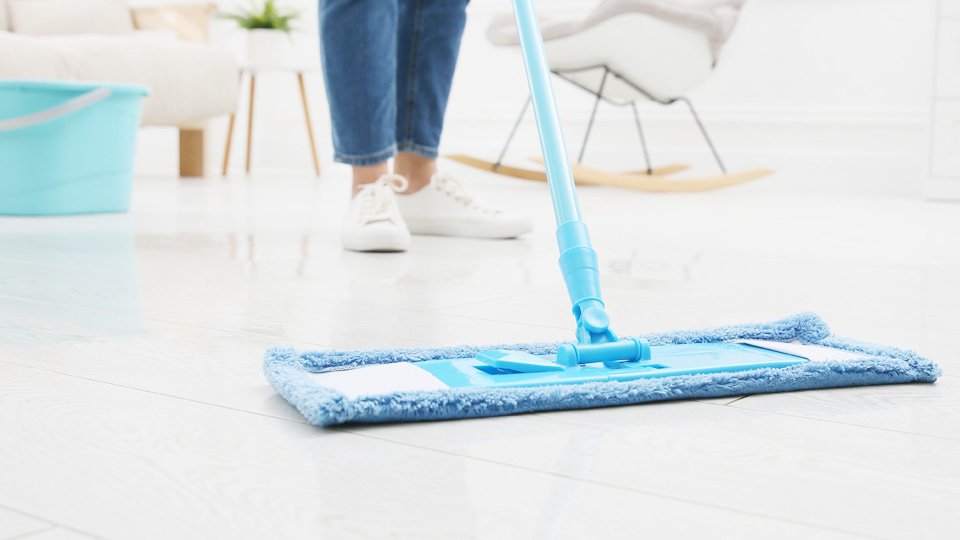
Image by bhg
Understanding Vinyl Plank Flooring
First off, let’s get on the same page about what we’re dealing with. Vinyl plank flooring, or LVP as we pros call it, is that resilient stuff that mimics hardwood or stone but at a fraction of the cost and hassle.
What Is Vinyl Plank Flooring?
It’s basically layers of vinyl pressed together with a printed design on top, sealed with a wear layer for protection. Unlike old-school sheet vinyl, these planks click together like puzzle pieces, making installation a breeze—even I did my own basement last year without calling in reinforcements. They’re waterproof, which is huge for kitchens and bathrooms in typical American homes where spills are inevitable.
Why Choose Vinyl Planks for Your Home?
I remember installing them in a client’s family room—perfect for their rowdy toddlers and golden retriever. They’re durable against scratches, easy on the wallet, and comfy underfoot. But they need gentle care because that top layer can wear down if you’re too aggressive. When it’s time to clean, think mild and moisture-controlled to keep that factory-fresh look.
Common Challenges with Vinyl Plank Floors in US Households
In busy homes like ours, with open-concept layouts and high-traffic areas, dirt from outdoor shoes tracks in fast. Pet hair, food crumbs, and even pollen from open windows build up. I’ve tackled floors in suburban houses where the kitchen sees constant action—think spaghetti sauce splatters or juice spills. Without the right approach, these can leave hazy films or sticky spots that make your space feel grimy.
Choosing the Right Floor Cleaner for Vinyl Planks
Alright, let’s dive into the heart of it: what kind of floor cleaner for vinyl plank flooring should you grab? I’ve tested tons over the years, from store-bought to homemade mixes, and here’s the scoop.
Types of Cleaners Suitable for Vinyl
Go for pH-neutral options—they’re balanced, so they clean without stripping the protective coating. Mild dish soap diluted in water works in a pinch, but dedicated vinyl cleaners shine brighter.
Avoid anything with ammonia, bleach, or oil-based formulas; they’ll cloud or damage the surface. I’ve used warm water with a splash of vinegar on countless jobs—it’s simple and effective for light dirt.
Commercial Cleaners: What to Choose and Why
Brands like Bona or Rejuvenate are my go-tos for pro results. Bona’s hard-surface cleaner is streak-free and safe for kids and pets, which matters in family homes. Rejuvenate adds a bit of shine without wax buildup.
For tougher grime, OdoBan’s neutral pH formula cuts through without residue. I once cleaned a client’s entire downstairs after a party using Bona—it dried fast, no slips.
Here’s a quick comparison table of popular commercial options:
| Cleaner | Key Features | Pros | Cons | Best For |
|---|---|---|---|---|
| Bona Hard-Surface Floor Cleaner | pH-neutral, plant-based, no residue | Eco-friendly, quick-dry, safe for pets | A bit pricier | Daily use in high-traffic homes |
| Rejuvenate Luxury Vinyl Floor Cleaner | Fresh scent, deep clean | Restores shine, easy spray | Can be overpowering smell | Stained or dull floors |
| OdoBan Luxury Vinyl Floor Cleaner | Streak-free, neutral pH | Affordable, multi-surface | Needs dilution | Budget-conscious families |
| ENCORE Vinyl Cleaner | Made in USA, non-toxic | Gentle on surfaces, effective on grime | Limited availability | Eco-focused households |
DIY Alternatives for Vinyl Floor Cleaning
If you’re like me and love saving bucks, whip up your own. A classic is one cup white vinegar in a gallon of warm water—it’s natural, cuts grease, and costs pennies. For extra power, add a drop of dish soap like Dawn. I’ve used this on my own floors after hosting barbecues; it handles BBQ sauce stains like a champ without fancy bottles.
Pros of DIY: Cheap, customizable, fewer chemicals. Cons: Might need more elbow grease for heavy soil, and overdo the vinegar? It’ll smell vinegary for a bit.
Eco-Friendly Options for Sustainable Cleaning
Going green? I’m all for it—I’ve switched most of my kit to eco stuff. Vinegar mixes are inherently eco-friendly, but try plant-based concentrates like Eco Me or Babyganics. They’re biodegradable, no harsh fumes, perfect for homes with allergies. I cleaned a eco-conscious client’s vinyl with a vinegar-Dawn-alcohol blend (1/4 cup each vinegar and alcohol, 1/8 tsp soap per 1.5 cups water)—sparkling and planet-friendly.
Step-by-Step Guide to Cleaning Vinyl Plank Floors
Now, let’s get hands-on. I’ll walk you through like we’re cleaning your kitchen together.
Preparing Your Space and Tools
Gather a soft-bristle broom or vacuum (no beater bar—it scratches), microfiber mop, bucket, and your chosen cleaner. Clear the area—move rugs, chairs. I always ventilate by opening windows; keeps fumes down and dries faster.
Daily Maintenance for Vinyl Planks
Sweep or vacuum daily to nab loose dirt. In my house, with two dogs, this prevents scratches from grit. For quick wipes, dampen a microfiber cloth with plain water—dries in minutes.
Deep Cleaning Process Step by Step
- Vacuum thoroughly, getting edges and under furniture.
- Mix your solution—say, vinegar-water in a bucket.
- Dip mop, wring till damp (not sopping—excess water seeps into seams).
- Mop in sections, following the plank direction for even clean.
- Rinse mop often in clean water.
- Dry with a towel or let air dry—fans help.
I did this after a kid’s birthday party; took 20 minutes, floors looked new.
Handling Stains and Tough Spots
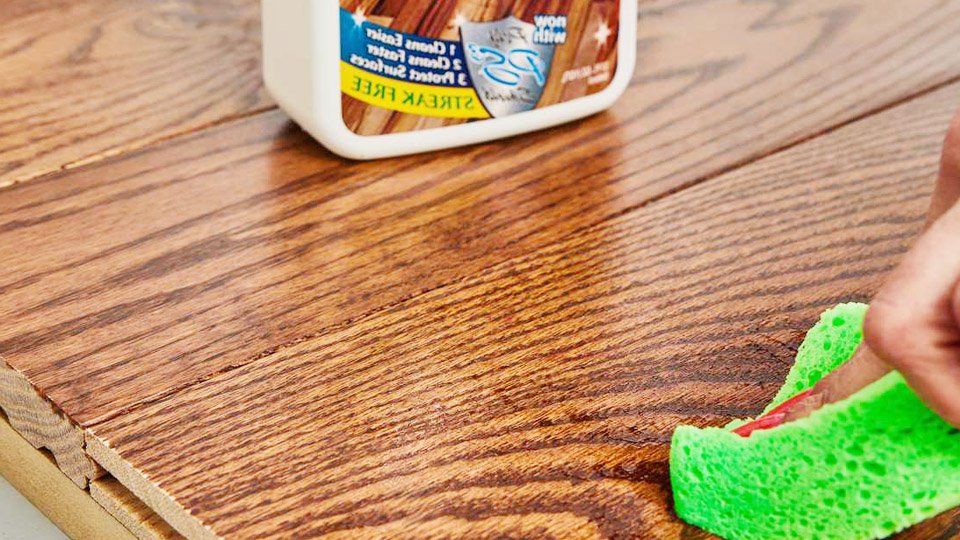
For stains like ink or wine, make a baking soda paste (baking soda + water), apply gently, wipe off. Scuff marks? A tennis ball on a stick rubs them away—no chemicals needed. I’ve saved many a floor from permanent marks this way.
Common Mistakes When Cleaning Vinyl Floors
Oh boy, I’ve made a few myself early on. Here’s what to dodge.
Using Harsh Chemicals or Abrasives
Bleach or ammonia? Big no—they etch the surface. Stick to gentle stuff. I once used a too-strong cleaner on a job; dulled the shine permanently—lesson learned.
Over-Wetting the Floor
Water pooling leads to warping. Always wring that mop. In humid US climates like the South, this is crucial.
Ignoring Residue Buildup
Too much soap leaves films. Rinse well. I’ve seen floors that felt sticky forever because of this.
Steam Mops and Heat Damage
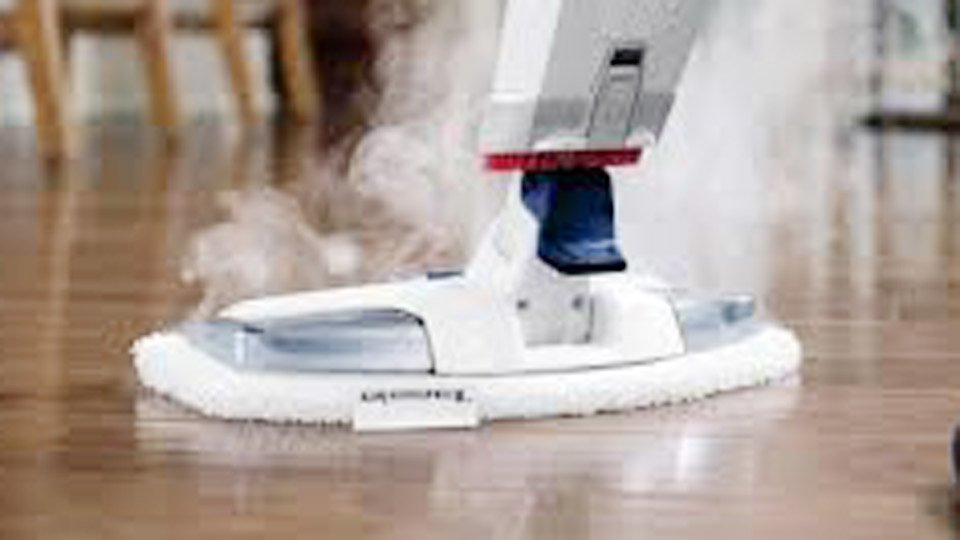
Steam penetrates seams, causing buckling. Avoid at all costs. Dry mopping is safer.
Neglecting Regular Upkeep
Waiting till it’s gross means harder work. Daily sweeps save time.
Pro Tips and Shortcuts from My Experience
From years on the job, here’s gold: Use a spin mop like O-Cedar for easy wringing—saves your back. For shine, buff with a dry microfiber after cleaning. Quick fix for pet hair? A rubber broom grabs it fast.
Anecdote: Once, a client’s vinyl was hazy from old wax. I stripped it gently with diluted vinegar, then reapplied a no-wax shine—transformed the room.
For busy families, schedule weekly deep cleans; it keeps things manageable.
Safety Precautions for Cleaning Vinyl Floors
Safety first—I’ve had close calls.
Wear gloves to protect skin from cleaners. Ventilate well, especially with vinegar mixes—fumes can irritate.
Keep kids and pets away during cleaning; wet floors are slippery. Use non-slip mats post-clean.
Follow product labels—mix ratios matter. For DIY, test in a corner first.
In homes with toddlers, store cleaners high up. I always remind clients: better safe than sorry.
Maintenance Tips for Long-Lasting Vinyl Floors
To keep them pristine: Place mats at entrances to trap dirt. Felt pads under furniture prevent scratches.
Avoid direct sun—use blinds to prevent fading. In my sunny living room, this saved the color.
Reapply protective coatings yearly if needed, but most modern vinyls don’t require it.
Immediate spill wipes prevent stains. With regular care, your floors can last 20+ years.
Conclusion
Wrapping this up, friend: The best floor cleaner for vinyl plank flooring boils down to pH-neutral, gentle options like vinegar mixes or trusted brands like Bona. You’ve got the steps—sweep, mop damp, dry quick—and tips to avoid pitfalls.
Now, you can clean smarter, faster, and safer, keeping your home hygienic without the hassle. Always clean in the evening when foot traffic’s low; lets it dry undisturbed for that perfect shine. Happy cleaning—your floors will thank you!
FAQ
Can I use vinegar to clean vinyl plank flooring?
Absolutely, it’s one of my favorites. Mix one cup white vinegar with a gallon of warm water for a safe, effective clean. Just don’t overdo it to avoid a strong smell, and always dry thoroughly to prevent moisture issues.
What should I avoid when cleaning luxury vinyl plank floors?
Steer clear of steam mops, abrasive scrubbers, and harsh chemicals like bleach or ammonia—they can damage the wear layer. Also, never leave standing water; it seeps into seams and causes warping.
How often should I deep clean my vinyl floors?
Aim for weekly deep cleans in high-traffic areas, like kitchens or entryways. Daily sweeping or vacuuming handles the rest. In pet-heavy homes, bump it up if needed to keep grime at bay.
Are there pet-safe cleaners for vinyl plank flooring?
Yes, opt for non-toxic, plant-based ones like Bona or DIY vinegar solutions. They’re gentle and won’t harm paws. I’ve used them in homes with dogs—no issues, and they clean pet messes effectively.
How do I remove scuff marks from vinyl planks?
Rub gently with a clean tennis ball or a baking soda paste. For stubborn ones, a magic eraser works wonders without scratching. Test first, and follow with a damp mop for a polished finish.