Have you ever walked into your home and felt like the air was a bit stuffy? Maybe you’ve noticed a lingering smell from cooking or cleaning products. I used to think that cracking a window was enough to freshen things up, but I’ve learned that certain houseplants can work wonders for cleaning the air in our homes. If you’re curious about which plants can purify your indoor air and make your space feel fresher, you’re in the right place!
I’ve spent time researching and experimenting with houseplants to find the ones that truly make a difference. Let’s dive into the world of air-purifying plants and discover how they can transform your home into a healthier, happier space.
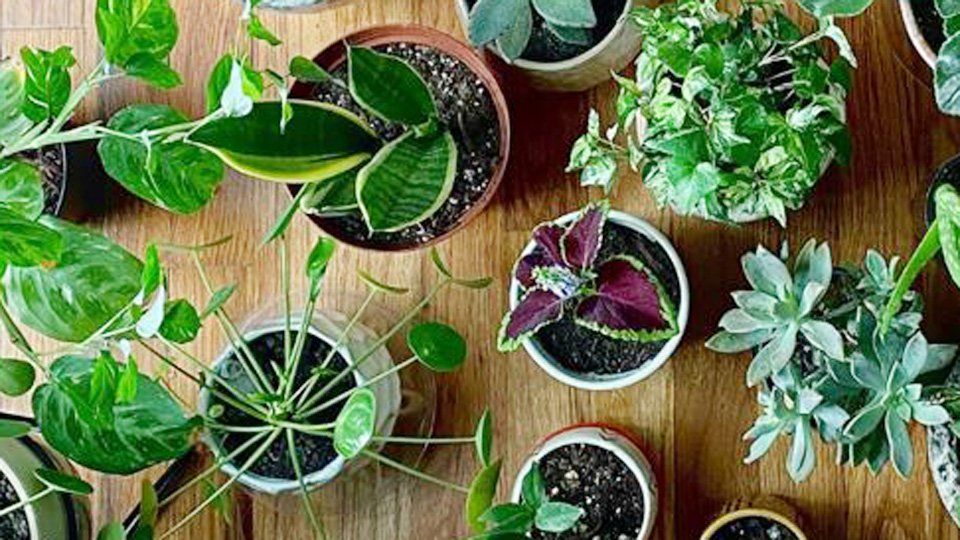
Image by londonterrariums
Why Indoor Air Quality Matters
A few years ago, I moved into a new apartment. It was cozy, but I started noticing I’d get headaches or feel sluggish after spending a day indoors. At first, I blamed it on stress, but then I learned about indoor air pollution.
Our homes can trap all sorts of nasties—things like volatile organic compounds (VOCs) from paint, furniture, or cleaning products, and even carbon monoxide from appliances. These pollutants can mess with our health, causing allergies, asthma flare-ups, or just that tired, foggy feeling.
Plants are like nature’s air filters. They take in carbon dioxide and pollutants through their leaves and roots, then release fresh oxygen. Some plants are better at this than others, and I’ve found a few that are real superstars. Plus, they add a touch of green beauty to your space, which always lifts my mood!
Top Air-Purifying Plants for Your Home
I’ve tried a bunch of plants in my home, and some have stood out for their air-cleaning powers. Here are my favorites, along with why they’re so great and how to care for them.
Spider Plant: The Easygoing Air Cleaner
Spider plants are my go-to when I recommend air-purifying plants to friends. They’re super easy to care for, even if you’re not great with plants. These guys have long, arching leaves that look like green and white stripes. They’re fantastic at removing formaldehyde, which can come from things like carpets or nail polish, and they can even tackle carbon monoxide.
I keep my spider plant in bright, indirect light, but it can handle lower light too. Water it when the soil feels dry, about once a week. It also produces little “pups” that you can propagate to grow more plants. Just don’t let it sit in soggy soil—it doesn’t like that!
Peace Lily: The Elegant Purifier
I love my peace lily because it’s not just great at cleaning the air—it’s also gorgeous with its dark green leaves and white, hood-like flowers. This plant is a champ at removing formaldehyde, benzene, and carbon monoxide. It’s perfect for low-light corners, which makes it ideal for apartments like mine.
Keep the soil moist but not waterlogged. I water mine every few days, especially if the leaves start to droop. It thrives in shade or indirect light, but direct sunlight can burn its leaves. One thing to note: it’s toxic to pets, so I keep mine out of reach of my cat.
Snake Plant: The Nighttime Oxygen Booster
Snake plants, or mother-in-law’s tongue, are tough as nails. I’ve got one in my bedroom because it releases oxygen at night, which helps me sleep better. It’s great at filtering out formaldehyde, benzene, and xylene. Plus, it’s almost impossible to kill, which is a win for anyone who forgets to water their plants (like me sometimes!).
This plant doesn’t need much attention. I water mine every 2-3 weeks, letting the soil dry out completely. It can handle low light, but it grows faster in brighter spots. Like the peace lily, it’s toxic to pets, so place it somewhere your furry friends can’t nibble.
English Ivy: The Bathroom Hero
English ivy is a beautiful trailing plant that’s perfect for hanging baskets. I’ve got one in my bathroom because it’s great at reducing mold and airborne fecal particles (yuck, I know, but it’s a real thing!). It also tackles formaldehyde and benzene, making it a solid choice for cleaner air.
I give my ivy plenty of bright, indirect light and keep the soil moist. It loves humidity, so the bathroom is its happy place. Spray the leaves weekly to keep spider mites away. Be careful, though—it’s toxic to pets and kids, so I keep mine high up.
Aloe Vera: The Healing Air Purifier
Aloe vera isn’t just for soothing sunburns. I was surprised to learn it’s also great at cleaning the air by absorbing carbon dioxide and releasing oxygen at night. It’s perfect for bedrooms, and its fleshy leaves add a cool, desert vibe to my space.
My aloe sits on a sunny windowsill because it loves bright light. I water it sparingly, about every 2 weeks, and make sure the soil drains well. Overwatering is its biggest enemy. It’s non-toxic, so it’s safe around pets and kids.
Comparing Air-Purifying Plants
To help you choose the best plant for your home, here’s a quick comparison table based on my experience with these plants:
| Plant | Pollutants Removed | Light Needs | Watering | Pet-Safe? | Best For |
|---|---|---|---|---|---|
| Spider Plant | Formaldehyde, Carbon Monoxide | Bright, indirect | Weekly, when dry | Yes | Beginners, any room |
| Peace Lily | Formaldehyde, Benzene, Carbon Monoxide | Low to indirect | Every few days | No | Low-light areas |
| Snake Plant | Formaldehyde, Benzene, Xylene | Low to bright | Every 2-3 weeks | No | Bedrooms, low care |
| English Ivy | Formaldehyde, Benzene, Mold | Bright, indirect | Keep moist | No | Bathrooms, hanging |
| Aloe Vera | Carbon Dioxide, VOCs | Bright, direct | Every 2 weeks | Yes | Bedrooms, sunny spots |
This table sums up what I’ve learned about these plants. If you’re a beginner, start with a spider plant or snake plant. If you want something pretty for a shady corner, go for a peace lily. Got a sunny spot? Aloe vera’s your friend.
How Many Plants Do You Need?
When I first started adding plants to my home, I wondered how many I’d need to really clean the air. The truth is, you’d need a lot—like 10-100 plants per room—to make a huge difference. But even a few plants can help, especially in smaller spaces. I’ve got about 5 plants in my living room, and I notice the air feels fresher and less stale. Plus, they make my home feel alive and cozy, which is worth it on its own.
If you’re serious about air quality, I’d suggest combining plants with other strategies, like opening windows when it’s nice out or using an air purifier for extra power. Plants aren’t a total replacement for mechanical air purifiers, but they’re a natural, budget-friendly boost.
Benefits Beyond Air Purification
Plants do more than just clean the air. I’ve noticed they make my home feel calmer and more inviting. They add humidity, which is great for dry winter months when my skin gets all crackly. They also boost my mood—there’s something about watering my plants or seeing new leaves sprout that makes me smile.
Another perk? Plants can reduce stress. When I’m having a rough day, I’ll sit by my peace lily and just breathe. It’s like a mini escape to nature. Studies show that being around greenery can lower anxiety and improve focus, which is a big win in my book.
Tips for Keeping Your Plants Happy
I’ve killed a few plants in my time (oops!), so here are some tips I’ve learned to keep your air-purifying plants thriving:
Water Smart: Overwatering is the number one plant killer. I always check the soil before watering. If it’s dry an inch down, it’s time to water.
Light It Right: Most of these plants like bright, indirect light. I move mine around until they seem happy—no wilting or yellow leaves.
Clean the Leaves: Dust can block a plant’s ability to “breathe.” I wipe my plants’ leaves with a damp cloth every month or so.
Choose the Right Pot: I use pots with drainage holes to avoid soggy roots. It’s saved me from a few plant disasters!
Feed Them: I give my plants a balanced fertilizer every month during spring and summer to keep them strong.
Where to Place Your Plants
Placement matters. I put my snake plant and aloe vera in my bedroom because they release oxygen at night. My English ivy hangs in the bathroom to tackle mold. The spider plant and peace lily live in my living room, where they get decent light and make the space feel fresh. Think about your home’s layout—put plants where you spend the most time, like near your desk or couch.
Common Mistakes to Avoid
I’ve made plenty of mistakes with my plants, so let me save you some trouble. Don’t overwater—soggy soil is a death sentence for most plants. Don’t stick a low-light plant in direct sun; it’ll burn. And don’t ignore your plants completely. Even low-maintenance ones like snake plants need a little love now and then. Check on them weekly to make sure they’re not drooping or covered in dust.
Conclusion
I can’t tell you how much joy and freshness these plants have brought to my home. From the hardy snake plant in my bedroom to the elegant peace lily in my living room, they’ve made my space feel alive and healthier. Sure, they won’t solve all your air quality problems, but they’re a beautiful, natural way to make your home a little cleaner and a lot cozier. Plus, caring for them is like a mini therapy session—there’s nothing like watching a new leaf unfurl to brighten your day.
So, why not give it a try? Pick one or two plants from this list, like a spider plant for easy care or an aloe vera for sunny spots, and see how they transform your space. You’ll be breathing easier and smiling more in no time.
FAQs About Air-Purifying Plants
Can houseplants really clean the air?
Yes, they can! Plants absorb pollutants like formaldehyde and benzene through their leaves and roots while releasing oxygen. They won’t replace an air purifier, but they help improve air quality, especially in small spaces.
How many plants do I need to notice a difference?
It depends on your room size, but you’d need a lot—think 10-100 plants—for a big impact. Even a few plants can make a small difference and add freshness to your space.
Are air-purifying plants safe for pets?
Some are, some aren’t. Spider plants and aloe vera are pet-safe, but peace lilies, snake plants, and English ivy are toxic if eaten. Keep them out of reach of pets and kids.
Q: Which plant is best for beginners?
I’d pick a spider plant or snake plant. They’re super forgiving, don’t need much water, and can handle a range of light conditions.
Do these plants need a lot of sunlight?
It varies. Spider plants and peace lilies do well in low to indirect light, while aloe vera loves bright, direct sun. Snake plants and English ivy are flexible and can adapt to different light levels.
Can I put air-purifying plants in my bathroom?
Absolutely! English ivy and peace lilies love the humidity in bathrooms. They’ll help reduce mold and keep the air fresh.