I’ve been knee-deep in the cleaning world for years, both as a pro housekeeper tackling massive homes in bustling US cities like Chicago and New York, and as a busy parent keeping my own suburban house spotless amid kids’ spills and pet chaos. Let me tell you, there’s nothing quite like the satisfaction of a deep-cleaned carpet—fluffy, fresh, and free of those mystery stains.
But here’s the kicker: after all that scrubbing and vacuuming, the last thing you want is to plop your heavy couch or dining table back down and watch dents form or dirt grind in again. That’s why I’m diving deep into what to put under furniture legs after cleaning carpet. It’s a simple step that saves you time, money, and headaches down the road.
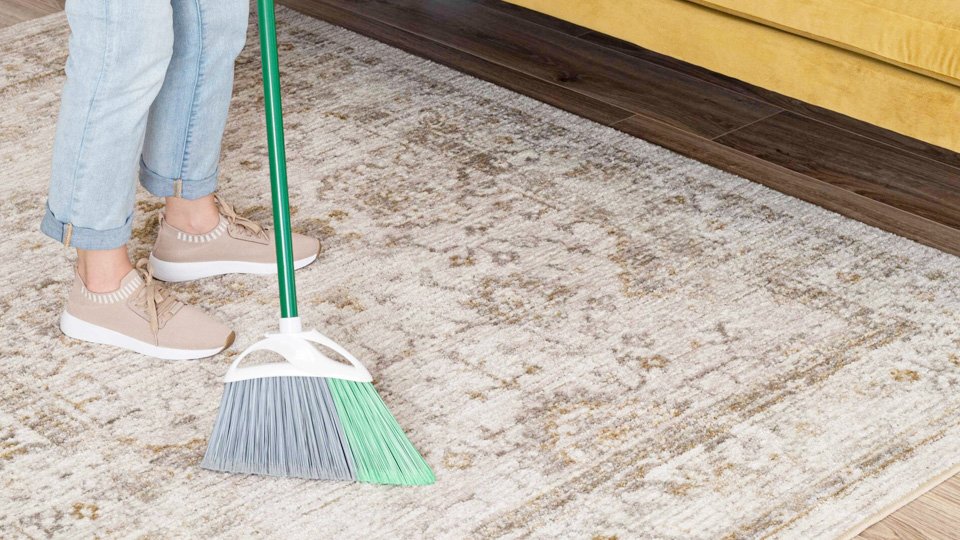
Image by undertherugfloorcare
Think about it—our carpets take a beating in everyday American homes, from muddy boots in rainy Seattle to sandy feet in sunny Florida. Protecting them isn’t just about aesthetics; it’s about health too. Clean carpets mean fewer allergens floating around, better air quality for your family, and even cost savings by extending the life of your flooring.
I’ve seen firsthand how skipping this step leads to premature wear, especially in high-traffic areas like living rooms or hallways. So, let’s chat about why this matters and how to do it right, drawing from my own trial-and-error experiences on the job and at home.
Why Bother Protecting Carpet After a Deep Clean?
You know that fresh, just-shampooed carpet feel? It’s like walking on clouds. But without protection under furniture legs, those clouds turn into craters fast. Carpet protection involves placing barriers or pads between furniture feet and the fibers to distribute weight, prevent crushing, and block moisture or dirt transfer.
This is crucial right after cleaning because wet or damp carpets are more vulnerable. The fibers are softened, making them prone to permanent dents from heavy items. In my experience, I’ve moved furniture back too soon in clients’ homes and regretted it—those indentations can take weeks to fluff back up, if they ever do. It’s needed when you’ve just steam-cleaned, spot-treated stains, or even after a routine vacuum if your furniture is bulky.
Why does it matter in daily life? For starters, health: Unprotected furniture can trap dust and allergens deeper into the pile, aggravating allergies or asthma—common issues in US households where over 50 million people deal with indoor allergens. Safety-wise, uneven dents can create trip hazards, especially for kids or elderly folks. Hygiene improves because pads make it easier to slide furniture for quick cleans without scratching or soiling.
And talk about cost savings—extending your carpet’s life by years means avoiding pricey replacements. Time efficiency? Absolutely. I’ve cut my cleaning time in half by using protectors that let me move things effortlessly.
From a practical standpoint, in typical US setups like open-plan living areas or carpeted bedrooms, this prevents the “furniture footprint” that makes rooms look worn out prematurely. I’ve dealt with this in my own ranch-style home in Texas, where the heat and humidity make carpets dry slower, heightening the risk.
Choosing the Right Protectors for Furniture Legs
Selecting what goes under those legs isn’t one-size-fits-all. It’s about matching the material to your carpet type, furniture weight, and lifestyle. Common options include felt pads, rubber cups, plastic sliders, or even metal coasters. Felt is soft and great for plush carpets, while rubber grips better on low-pile ones.
You need them when furniture is heavy or frequently moved—like in family rooms where kids rearrange for game nights. Or if you have pets that scratch and dig, adding an extra layer prevents pulls. In my pro days, I’d assess a client’s setup: for antique wooden legs, I’d avoid anything abrasive; for metal frames, something non-slip.
Step-by-step on choosing: First, measure your furniture legs—diameter or shape matters. Round legs suit cups, square ones need flat pads. Second, consider carpet pile—high pile needs thicker protectors to avoid sinking. Third, factor in movement—if you rearrange often, opt for sliders. Fourth, check weight capacity; heavy oak dressers need sturdy options.
Common mistakes? Picking cheap, thin pads that wear out quickly, leading to scratches. Avoid by investing in quality—I’ve learned the hard way after replacing flimsy ones mid-job. Another pitfall: ignoring adhesive strength; weak glue means pads fall off. Test on a hidden spot first.
Pro tip from my toolkit: For eco-friendly vibes, look for recycled felt or natural rubber. And always wear gloves when applying adhesives to avoid sticky fingers—safety first, especially with kids around.
Here’s a quick comparison table of popular protector types:
| Type | Pros | Cons | Best For | Cost Range (per set of 4) |
|---|---|---|---|---|
| Felt Pads | Soft on fibers, easy to apply | Can collect dust over time | Plush carpets, wooden legs | $5–$15 |
| Rubber Cups | Grippy, moisture-resistant | May discolor light carpets | Heavy furniture, low-pile | $10–$20 |
| Plastic Sliders | Smooth movement, durable | Slippery on uneven floors | Frequent rearranging | $8–$18 |
| Metal Coasters | Long-lasting, stylish | Can dent if not padded | Vintage or metal furniture | $15–$30 |
This table has saved me time on jobs—pick based on your needs, like rubber for humid basements in the Midwest.
Step-by-Step Guide to Applying Furniture Protectors After Cleaning
Alright, let’s get hands-on. I’ve done this hundreds of times, from quick apartment touch-ups to full-house overhauls. Start by ensuring your carpet is fully dry—wait at least 24 hours post-cleaning, longer in humid areas like the Southeast.
Step 1: Gather supplies. You’ll need protectors (felt pads are my go-to for most homes), measuring tape, scissors if cutting to size, and rubbing alcohol for cleaning legs.
Step 2: Clean the furniture legs. Wipe with a damp cloth and alcohol to remove grime—prevents transferring dirt back to your clean carpet. I once skipped this and ended up with oily spots; lesson learned.
Step 3: Measure and cut if needed. For self-adhesive pads, peel and stick directly. For cups, place the leg inside.
Step 4: Lift furniture safely. Enlist help for heavy pieces—use a furniture dolly or sliders to avoid straining your back. In my experience, tilting and propping with books works for solo jobs.
Step 5: Position and press. Align the protector under the leg, lower gently, and press down for 30 seconds to secure adhesive.
Step 6: Test stability. Wiggle the furniture to ensure it doesn’t rock, and slide it slightly to check grip.
Why this process? It ensures even weight distribution, preventing those pesky dents. Do it when the room is ventilated—adhesives can off-gas fumes, so open windows for safety.
Common mistakes: Rushing the drying time, leading to mold under furniture. Avoid by using a fan. Over-applying adhesive creates messes; use sparingly.
Pro shortcut: For quick fixes, use carpet scraps as temporary pads—cut circles and tape under legs. Eco-option: Bamboo coasters, biodegradable and sturdy.
Common Carpet Damage from Furniture and How to Prevent It
Furniture can wreak havoc on carpets—dents, stains from rusting legs, or fiber crushing. Dents happen when weight compresses wet fibers; rust stains from metal in damp conditions.
It’s needed prevention in homes with older furniture or in rainy climates like the Pacific Northwest, where moisture lingers.
Step-by-step prevention: After cleaning, fluff the carpet with a brush. Then apply protectors as above. For existing dents, steam with an iron (cloth barrier) and brush up—I’ve revived many carpets this way.
Mistakes: Ignoring rust-prone legs—wrap them in plastic first. Or using wrong materials, like hard plastic on soft carpets, causing tears.
Pro tip: Rotate furniture seasonally to even wear—great for sunny spots where fading occurs. Anecdote: In a client’s beach house in California, salt air rusted legs fast; switching to rubber saved the day.
Safety reminder: Always lift with knees, not back, and keep kids away during moves to avoid accidents.
Eco-Friendly and DIY Alternatives for Under Furniture
Going green? I love it—I’ve shifted to sustainable options in my own home to cut down on plastics. Eco-friendly protectors include cork pads (natural, renewable) or recycled rubber.
Why needed? Reduces landfill waste, better for indoor air—no harsh chemicals. Ideal for families with allergies.
Step-by-step DIY: For cork, cut bottle corks in half, sand smooth, glue under legs. For felt, repurpose old wool sweaters—cut shapes, attach with fabric glue.
Pros of DIY: Cheap, customizable. Cons: Less durable than store-bought.
Table for options:
| Option | Materials Needed | Pros | Cons | Eco-Factor |
|---|---|---|---|---|
| Cork Halves | Wine corks, glue | Natural, shock-absorbing | May crumble over time | High—biodegradable |
| Felt Scraps | Old fabric, scissors | Soft, easy to source | Attracts lint | Medium—upcycled |
| Rubber Mats | Recycled tire pieces | Grippy, waterproof | Heavier to handle | High—recycled material |
Common mistake: Using toxic glues—opt for water-based. Pro tip: Add essential oils like lavender for natural scent while applying.
In US households, this fits busy lifestyles—quick to make during weekend cleans.
Tools and Products for Safe Carpet Protection
No need for fancy gadgets, but the right tools make it easier. Basics: Measuring tape, utility knife for cutting, and a level for even placement.
Product types: Adhesive-backed pads from brands like generic hardware store finds—affordable and effective. For pros, I swear by heavy-duty sliders.
Safety precautions: Wear gloves to handle adhesives, ensure good ventilation. For child safety, choose non-toxic options without small parts.
Maintenance: Check pads monthly, replace if worn. Quick fix: For sticky residues, use vinegar solution—gentle and effective.
Anecdote: On a job in a high-rise condo, slippery pads caused a near-miss slide; now I always test first.
Long-Term Maintenance Tips for Protected Carpets
Keeping it up is key. Vacuum weekly around furniture, spot-clean spills immediately.
Why? Prevents buildup under legs. In carpet-heavy states like those in the Midwest, this fights winter salt damage.
Step-by-step: Lift furniture quarterly to vacuum underneath, fluff fibers. Use baking soda for odors—sprinkle, wait, vacuum.
Mistakes: Over-wetting during cleans—blot, don’t rub.
Pro tip: In humid areas, use dehumidifiers to speed drying post-clean.
This routine has kept my home carpets looking new for years.
Conclusion
Wrapping this up, protecting your carpet with the right stuff under furniture legs is a game-changer—saves your back, your wallet, and your sanity. You’ve got the tools now to choose pads, apply them safely, avoid pitfalls, and even go DIY or eco. Clean smarter by incorporating these steps into your routine; it’ll make future cleans faster and safer, with fewer surprises.
Always have extra pads on hand for unexpected moves—you never know when a room rearrange strikes!
FAQ
What can I use if I don’t have furniture pads handy?
If you’re in a pinch, grab some cardboard scraps or old coasters—cut to size and place under legs temporarily. I’ve used this trick on jobs when supplies ran low; just replace with proper pads soon to avoid flattening.
How long should I wait to move furniture back after carpet cleaning?
Give it at least 24-48 hours, depending on humidity. In my experience, rushing it in damp weather leads to musty smells or dents—use fans to speed things up safely.
Are furniture leg protectors safe for all carpet types?
Mostly yes, but match to your pile: soft felt for thick, rubber for thin. Test in a corner first; I’ve seen hard plastics snag on berber carpets.
Can I make my own eco-friendly furniture protectors?
Absolutely—try slicing tennis balls or using jar lids lined with fabric. It’s fun and green; just ensure they’re stable to prevent slips.
Do furniture pads help with noise reduction?
They sure do, especially felt ones absorbing vibrations. In apartments, this has been a lifesaver for me, cutting down on thuds from chairs.