The kitchen is often called the heart of the home — it’s where we cook, gather, and sometimes even hang out for late-night snacks. But because it sees so much action, it also tends to collect the most mess: crumbs on the counter, grease around the stove, and dishes that somehow multiply overnight. That’s why I believe keeping this space clean is more than just about appearances. Why cleaning the kitchen is important comes down to health, safety, and peace of mind.
A tidy kitchen helps prevent foodborne illness, keeps pests away, and makes cooking a whole lot more enjoyable. Plus, walking into a sparkling kitchen in the morning feels like a fresh start to the day.
Photo by carevietnam
Why Cleaning the Kitchen is Important
Hey there, friend. If you’ve ever wondered why cleaning the kitchen is important, let me tell you—it’s not just about making things look nice. As someone who’s spent years scrubbing counters in my own home and tackling messy kitchens for clients across the US, I can say it’s a game-changer for your health, safety, and even your wallet. Picture this: you’re rushing to make dinner after a long day, and that sticky spill from last week turns into a slip hazard. Or worse, lingering crumbs invite unwanted pests. Keeping your kitchen clean isn’t a chore—it’s essential for a smoother, healthier life. Let’s dive in and I’ll walk you through why it matters and how to do it right.
The Health Benefits of a Clean Kitchen
From my experience, the kitchen is the heart of the home, but it can also be a breeding ground for germs if you let it slide. I’ve seen firsthand how a quick wipe-down prevents bigger issues, like foodborne illnesses that hit families hard.
What Makes Kitchen Hygiene So Crucial
Kitchen hygiene is all about keeping surfaces, tools, and food areas free from bacteria, viruses, and allergens. In a typical American household, where we prep meals daily, cross-contamination is a real risk. Think about chopping raw chicken and then slicing veggies on the same board without cleaning—yikes.
Why You Need to Prioritize It Daily
You need it because everyday activities like cooking introduce moisture and food particles that foster mold and bacteria growth. I’ve dealt with kitchens where skipped cleanings led to sinus issues from mold, especially in humid areas like the Southeast. Regular cleaning cuts down on allergens, too, helping folks with asthma or allergies breathe easier.
Step-by-Step Process for Maintaining Hygiene
Start by gathering your supplies: dish soap, microfiber cloths, and a disinfectant. I always begin with the sink—rinse it out, squirt some soap, and scrub with a sponge in circular motions. Move to counters: wipe from back to front to avoid spreading crumbs. For appliances, unplug if needed and clean exteriors first. Finish with floors, sweeping then mopping. It takes me about 20 minutes daily.
Common Mistakes and How to Dodge Them
One big mistake is using the same cloth everywhere, which just spreads germs. I learned that the hard way early on—now I color-code cloths: blue for counters, green for appliances. Another is ignoring ventilation; always open a window to avoid inhaling fumes.
Pro Tips from Years of Scrubbing
For a quick hygiene boost, mix vinegar and water in a spray bottle—it’s eco-friendly and kills most bacteria. If you’re in a busy family home, set a timer for evening clean-ups to make it habit. And gloves? Always wear them to protect your skin from harsh cleaners.
Kitchen Cleaning for Safety and Accident Prevention
Safety in the kitchen goes beyond sharp knives—it’s about creating a space where slips, fires, and other mishaps don’t happen. I’ve slipped on greasy floors more times than I’d like to admit during my early cleaning gigs, so trust me, prevention is key.
Understanding Kitchen Safety Hazards
Hazards include greasy build-up on stoves that can ignite, cluttered counters leading to cuts, or wet floors causing falls. In US homes, with open-concept kitchens common in suburbs, these risks affect everyone from kids to elders.
When Cleaning Becomes a Safety Must
It’s needed after every meal prep, but especially if you fry foods or bake, as oils splatter everywhere. I’ve cleaned up after family barbecues where overlooked grease turned into fire risks overnight.
Step-by-Step Safety-Focused Cleaning
First, clear counters of clutter. Degrease the stove: apply a baking soda paste, let it sit 15 minutes, then wipe. For floors, sweep debris, then mop with hot soapy water—dry thoroughly to prevent slips. Check under cabinets for leaks that could cause mold or electrical issues.
Avoiding Pitfalls in Safety Cleaning
Don’t mix cleaners like bleach and ammonia—that creates toxic fumes. I once did that by accident and had to air out the whole house. Also, avoid overloading outlets with appliances during cleaning.
Hands-On Shortcuts for Safer Kitchens
Use non-slip mats near the sink; they’re a lifesaver in my own kitchen. For eco options, lemon juice cuts grease naturally. And a quick tip: keep a fire extinguisher handy and test it yearly.
How a Clean Kitchen Saves Time and Money
Who doesn’t love saving a buck? In my cleaning business, I’ve seen how regular upkeep prevents costly repairs, like replacing warped cabinets from water damage.
The Economic Side of Kitchen Maintenance
Maintenance means routine cleaning to extend the life of appliances and surfaces. In average US rentals or homes, ignoring it leads to higher utility bills from inefficient fridges or pest control costs.
Why It’s Worth the Effort Now
Do it to avoid big expenses later—think $500 for a new oven due to baked-on grime causing malfunctions. Families on tight budgets, like many in the Midwest, benefit most from this proactive approach.
Step-by-Step Money-Saving Cleaning Routine
Begin with the fridge: remove expired items weekly, wipe shelves with soapy water. Cabinets: dust tops monthly to prevent dust build-up. For sinks, use a plunger on slow drains before they clog fully.
Mistakes That Cost You More
Skipping deep cleans leads to appliance breakdowns; I had a client pay hundreds because their dishwasher was clogged with food residue. Overusing harsh chemicals can damage surfaces, too.
Pro Advice for Budget-Friendly Cleaning
DIY cleaners like baking soda and vinegar are cheap and effective. Compare store-bought options in a table below for quick reference.
| Cleaning Product | Pros | Cons | DIY Alternative |
|---|---|---|---|
| All-Purpose Spray (e.g., generic brand) | Quick, multi-use | Chemical-heavy, pricey over time | Vinegar + water mix: cheap, natural |
| Degreaser (commercial) | Cuts tough grease fast | Can etch surfaces | Baking soda paste: gentle, under $1 |
| Eco-Friendly Wipes | Biodegradable, safe for kids | Less effective on heavy grime | Reusable cloths with lemon: zero waste |
This table has saved me time shopping for clients.
Deep Dive into Cleaning Specific Kitchen Areas
Now that we’ve covered the why, let’s get into the how. I’ll break it down by area, drawing from my hands-on experience in everything from tiny apartment kitchens to spacious family ones.
Cleaning Kitchen Counters Effectively
Counters are workhorses, handling everything from meal prep to homework.
What they are: Flat surfaces like granite, laminate, or quartz common in US homes.
Why clean them: Prevents bacterial spread and maintains appearance—dirty counters make the whole kitchen feel off.
Step-by-step: Clear items, spray with cleaner, wipe in sections, rinse if needed. For granite, use pH-neutral soap.
Mistakes: Using abrasive scrubbers on delicate surfaces—scratches add up.
Pro tip: Daily wipe with microfiber keeps them spotless; for stains, hydrogen peroxide works wonders on light counters.
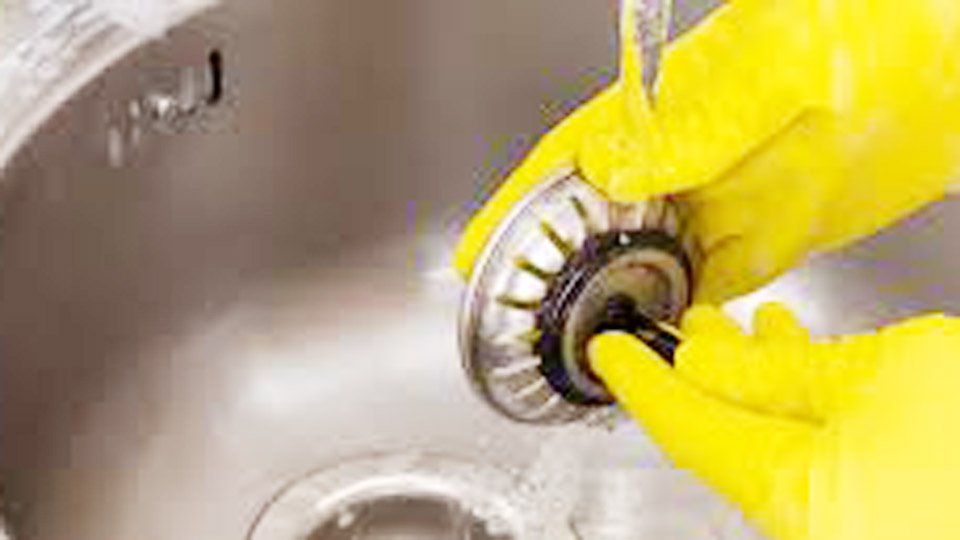
Tackling the Kitchen Sink and Drains
The sink sees it all—dirty dishes, food scraps, you name it.
What it is: Basin for washing, often stainless steel or porcelain.
When needed: After every use to avoid odors and clogs.
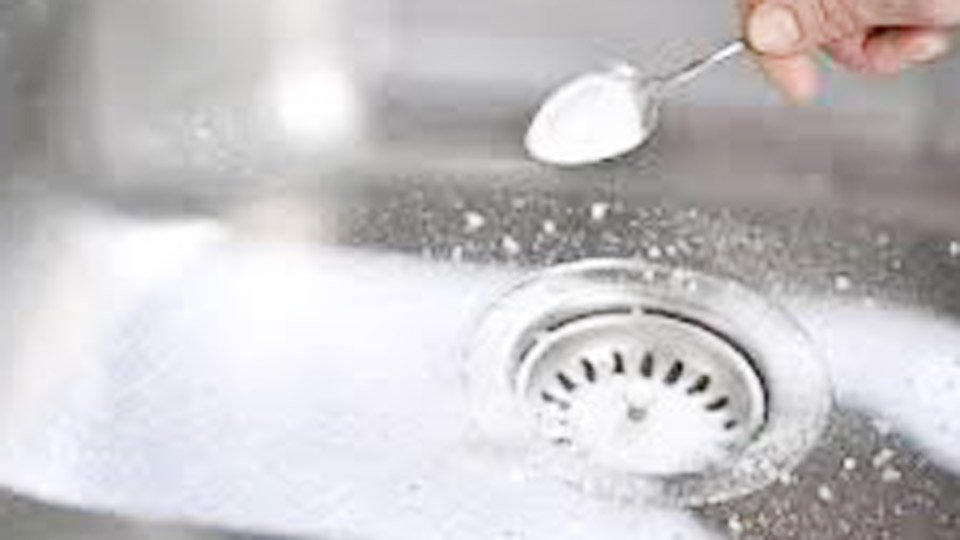
Process: Scrub with soft brush and soap, pour boiling water down drains weekly. For deep clean, baking soda + vinegar fizz.
Common errors: Dumping grease down the drain—hello, plumber bills.
Shortcut: Install a strainer; it’s prevented countless clogs in my experience.
Oven and Stovetop Cleaning Made Simple
Ovens get grimy fast from spills and splatters.
What they entail: Heating appliances with interiors that trap grease.
Why bother: Clean ones cook evenly and reduce fire risks.
Steps: For self-cleaning ovens, run the cycle; otherwise, apply cleaner overnight, wipe out. Stovetops: lift burners, scrub grates.
Avoid: Harsh scrubbing on glass tops—use razor scraper gently.
Tip: Line oven bottom with foil for easy clean-up; eco-version uses silicone mats.
Refrigerator and Freezer Maintenance
Fridges keep food fresh, but neglected ones waste energy.
What they are: Cooling units with shelves, drawers.
Needed when: Monthly, or if smells arise.
Guide: Empty, wipe with baking soda solution, organize back in. Defrost freezer if iced.
Mistakes: Overpacking blocks air flow, spoiling food faster.
Anecdote: I once cleaned a client’s fridge packed with forgotten takeout—smell was epic, but a deep clean fixed it quick.
Pantry and Cabinet Organization
Pantries hold staples, but disarray leads to waste.
What it is: Storage for dry goods.
Why: Prevents pests and expired items.
Steps: Pull everything out, wipe shelves, discard old stuff, reorganize by category.
Error: Ignoring expiration dates—leads to buying duplicates.
Pro: Use clear bins; makes grabbing ingredients faster for busy mornings.
Floor and Baseboard Cleaning
Floors take the brunt of spills and foot traffic.
What they involve: Tile, vinyl, or hardwood common in US kitchens.
When: Weekly sweep, bi-weekly mop.
Process: Sweep, then mop with appropriate cleaner—vinegar for tile, mild soap for wood.
Avoid: Excess water on wood floors—warps them.
Tip: Robot vacs are great for maintenance, but nothing beats a hands-on mop for deep cleans.
Handling Small Appliances and Utensils
Toasters, blenders—these accumulate crumbs.
What they are: Countertop gadgets.
Needed: After use or weekly.
Steps: Unplug, disassemble, wash parts, wipe exteriors.
Mistakes: Submerging electrics in water—short circuits await.
Shortcut: Shake out crumbs over trash; prevents build-up.
Eco-Friendly and Safe Cleaning Practices
Going green isn’t just trendy—it’s smarter for your home and health. I’ve switched most clients to these methods without sacrificing results.
Choosing Natural Cleaners
Natural options like vinegar, baking soda, and essential oils are staples in my kit.
Pros: Safe around kids and pets, cheaper long-term.
Cons: May need more elbow grease for tough jobs.
Table for comparison:
| Natural Cleaner | Best For | How to Use | Safety Note |
|---|---|---|---|
| White Vinegar | Counters, glass | Dilute 1:1 with water, spray | Avoid on marble—acidic |
| Baking Soda | Scrubbing sinks | Make paste with water | Non-toxic, but wear gloves for prolonged use |
| Lemon Juice | Degreasing | Rub half a lemon on surfaces | Natural antibacterial, ventilate for strong scent |
Safety Precautions Every Time
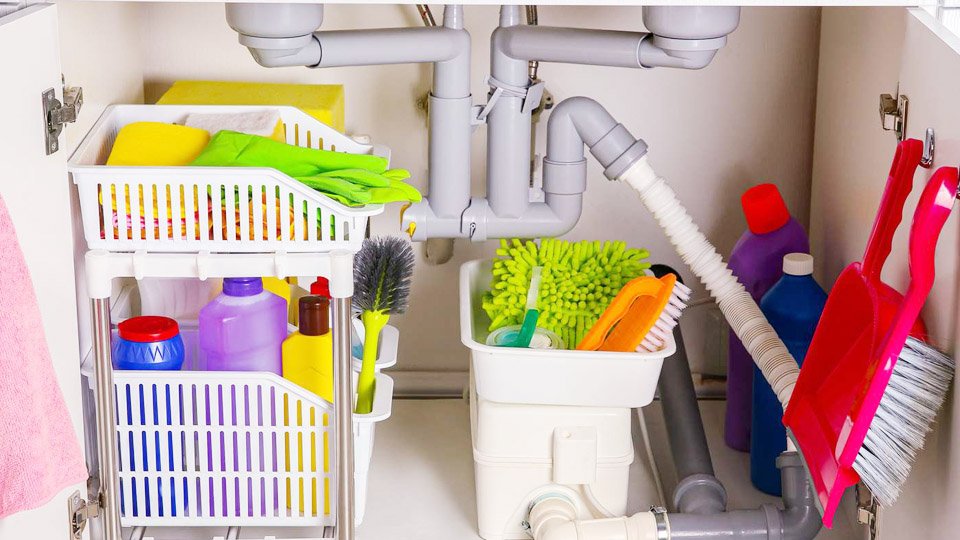
Always ventilate—open windows or use fans. Gloves protect from irritants, and keep cleaners out of kids’ reach. In my home, I store them in high cabinets.
Quick fix: For chemical spills, neutralize with water and ventilate immediately.
Conclusion
So, wrapping this up, why cleaning the kitchen is important boils down to better health, fewer accidents, and real savings on time and money. With these steps and tips, you can now tackle your kitchen faster by focusing on daily habits, smarter with DIY hacks, and safer by prioritizing ventilation and proper tools. One final pro tip: Make it fun—put on your favorite podcast while scrubbing; it turns chore time into me-time.
FAQ
How Often Should I Deep Clean My Kitchen?
Aim for a full deep clean monthly, but wipe surfaces daily and tackle appliances weekly. In my routine, this keeps things manageable without overwhelming weekends.
What Are the Best Natural Alternatives to Chemical Cleaners?
Vinegar for general wiping, baking soda for scrubbing, and lemon for freshening. They’re effective, cheap, and I’ve used them on stubborn grease with great results—just test on small areas first.
How Can I Clean My Kitchen Quickly When I’m Short on Time?
Focus on high-touch spots: counters, sink, and handles. A 10-minute sprint with a multi-purpose spray and cloth does wonders. From experience, this prevents build-up until you can do more.
Is It Safe to Mix Different Cleaning Products?
No, stick to one at a time to avoid dangerous reactions like fumes. I always read labels and opt for single-ingredient naturals when possible.
What Should I Do If My Kitchen Has a Persistent Odor?
Track it down—check drains, fridge, or trash. Baking soda absorbs smells; sprinkle and vacuum after a few hours. I’ve fixed many smelly kitchens this way without harsh scents.