I was deep-cleaning my bathroom not long ago when I found myself hovering the steam cleaner over the grout lines, wondering if I was about to make things better… or worse. Steam is amazing for cutting through grime, but grout can be a little unpredictable, and I’ve definitely worried about weakening it or causing cracks before.
If you’ve ever had that same moment of hesitation, you’re not alone — I’ve been there plenty of times. That’s why I finally dug into whether steam cleaning actually damages tile grout, and what you should know before turning up the heat. Let me break it down in a simple, no-stress way.
Image by modern-maids
The Real Reasons Your House Smells Like a Cleaning Aisle
Most cleaners are loaded with volatile organic compounds (VOCs) and synthetic fragrances that off-gas for hours—or days—after you wipe. Those “fresh linen” or “ocean breeze” scents? They’re usually phthalates and other chemicals masking the bleach or ammonia underneath. When you spray, scrub, and close the windows, those molecules just hang out in the air and stick to curtains, couches, and your clothes.
I learned this the hard way when I cleaned a client’s house top-to-bottom with commercial products before she came home from the hospital after surgery. She walked in, took one breath, and had an asthma flare-up. I felt awful. That day I promised myself I’d find ways to clean just as effectively without turning homes into gas chambers.
Hidden Culprits You’re Probably Missing
It’s not always the bottle you just used. Old sponges, damp mops left in buckets, and washing machine dispensers full of fabric softener residue keep pumping scent for weeks. I once pulled a client’s washing machine drawer out and almost gagged—blue goo growing fuzz. No wonder her towels made the whole hallway smell like fake lavender.
Carpets and upholstery are fragrance magnets too. Every time you’ve used a “febreeze” type spray in the past, tiny droplets are still trapped in the fibers, reactivating when you steam clean or turn the heat on.
Switch #1: Ditch Fragrance, Not Cleanliness
You don’t have to go full granola. I still want my bathroom to kill germs. Here’s what actually works in my cleaning kit now:
- Unscented castile soap (Dr. Bronner’s plain or Sal’s Suds)
- 190-proof grain alcohol (replaces Lysol spray—evaporates fast, no residue smell)
- Hydrogen peroxide 3% (disinfectant that breaks down into water and oxygen)
- Plain white vinegar (cuts grease and soap scum, smell disappears in 10 minutes)
- Baking soda (deodorizes without adding perfume)
I keep a gallon of unscented concentrate under the sink and refill spray bottles. Total cost is about $18 and lasts me four months.
Switch #2: Change How You Clean, Not Just What You Use
Even “green” cleaners can stink if you use too much. I used to soak everything because more product felt like better cleaning. Wrong. Less is almost always more.
Example: I spray a microfiber cloth lightly, not the surface. The cloth grabs the dirt, the tiny amount of solution evaporates fast, and zero scent lingers. My kitchen counters went from smelling like lemon cleaner for two hours to smelling like nothing in ten minutes.
The Magic of Ventilation (That Nobody Does)
Open two windows and make a cross-breeze for 10–15 minutes after cleaning. I set a timer because I’ll forget. A cheap box fan in one window pulling air out works even better. In winter I crack windows for five minutes—it’s cold, but the smell leaves instantly and the house warms back up fast.
When Lingering Smell Means Something’s Still Dirty
Sometimes the chemical smell isn’t the cleaner—it’s what the cleaner uncovered. Mildew in grout, sour dishcloths, or a forgotten gym bag in the closet will grab onto any fragrance molecule and hold it hostage. I keep a little “sniff test” habit: if I walk into a room hours later and still smell cleaner, something wet or organic is still dirty.
My 5-Minute “De-Scent” Routine I Run Weekly
- Empty all small trash cans (bathroom, bedroom—those get stinky fast).
- Toss dish sponges and washcloths in the washer on hot with a cup of vinegar.
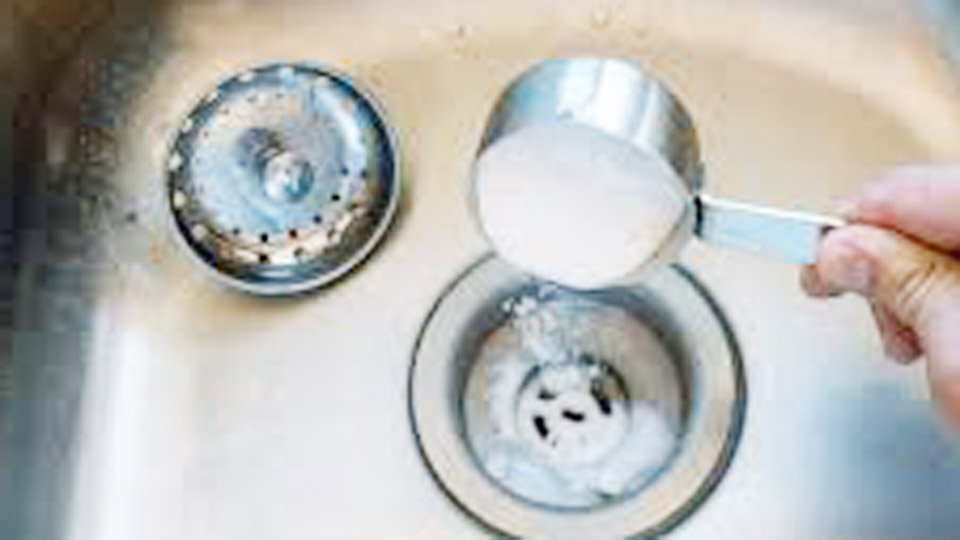
- Sprinkle baking soda in the kitchen sink drain, add ½ cup hot vinegar, let it fizz, rinse.
- Wipe fridge door gasket with peroxide on a rag—mine used to smell like old lemon cleaner for days.
- Run an empty hot cycle in the washing machine with 2 cups vinegar to clear detergent buildup.
Do those five things every Sunday night and the whole house smells like… nothing. Which is exactly what clean should smell like.
What to Do If You’re Stuck With Scented Products Right Now
Can’t throw everything out today? Neutralize instead. Add 10 drops of real essential oil (I like lemon or lavender) to a scented spray bottle—it confuses the fake fragrance and makes it fade faster. Or just use half the recommended amount and double the elbow grease. You’ll be shocked how little you actually need.
The One Product I Still Use That Smells (On Purpose)
I’ll be honest—once a month I use a pine-scented cleaner on my real wood floors because my husband loves how it reminds him of his grandma’s house. But I do it when the windows are wide open, use ¼ the amount, and follow with a damp mop of hot water only. The scent is gone in an hour instead of all day.
How Guests Instantly Notice the Difference
After I made these changes, friends started commenting, “Your house smells so clean.” Before, they never said anything—or they said, “Wow, what cleaner do you use?” There’s a huge difference between “smells clean” and “smells like cleaner.” Clean has no smell. It’s just absent of bad ones.
Quick Fixes If You Just Cleaned and It’s Overwhelming Right Now
- Open every window and door for 20 minutes.
- Put a bowl of plain white vinegar or activated charcoal on the counter overnight.
- Run your stove hood fan and bathroom exhaust fans on high.
- Simmer a pot of water with lemon peels and cloves for 15 minutes—covers the chemical smell while the real ventilation does the work.
You’ll wake up to a house that finally smells like home again.
Final Thought
Clean isn’t a scent you add. It’s everything gross you successfully remove. Once I wrapped my head around that, cleaning got easier, cheaper, and way less headache-inducing—literally.
Try just one change this week. Maybe swap one scented spray for vinegar-water in a bottle and see how it feels. I promise your nose (and your family) will thank you.
FAQ
Why does my house still smell like bleach the next day?
Bleach fumes cling to moisture. Run fans, wipe surfaces again with plain water, and leave a bowl of water out overnight—it pulls the smell right out of the air.
Is it bad to breathe cleaning product smells all the time?
Yes, long-term exposure to VOCs and synthetic fragrances can cause headaches, hormone disruption, and respiratory issues. Reducing them is one of the kindest things you can do for your lungs.
Can I make my house smell good without fake fragrance?
Absolutely. Simmer cinnamon sticks and orange peels, keep a bowl of coffee beans in the bathroom, or just open the windows after cooking. Real life smells better than any bottle.
Will essential oils cover cleaning smells?
They help short-term, but if the house still smells like chemicals an hour later, you’re masking instead of solving. Fix the source first, then add a drop of real lavender on a cotton ball in the corner if you want.
What’s the fastest way to get rid of that “just cleaned” smell?
Cross-ventilation + a damp microfiber mop-over with hot water only. Takes ten minutes and works every single time. I do it for clients before they get home and they never know I was even there—except everything sparkles.