I was making breakfast the other morning when I noticed a few crumbs by the stove and a little spill I somehow missed the day before. Nothing major — but it reminded me how quickly a kitchen can go from tidy to messy without us even noticing.
I’ve learned that keeping the kitchen clean isn’t just about appearances; it’s about keeping the space where we cook, eat, and gather actually safe. From preventing germs to avoiding cross-contamination, a clean kitchen makes everyday life healthier and way less stressful. If you’ve ever wondered why cleaning this one room matters so much, let me share what I’ve discovered.

Image by aquuamarine
The Health Benefits of a Clean Kitchen
Let’s start with the big one: your health. Kitchens are breeding grounds for bacteria if left unchecked. Think about all the raw meats, veggies, and spills that happen daily—each one a potential source of germs like Salmonella or E. coli. I’ve seen firsthand how a quick wipe-down after prepping chicken can prevent cross-contamination that might otherwise lead to stomach woes.
Beyond immediate food safety, a clean kitchen helps with allergies and respiratory issues. Dust, mold, and old food particles can linger in corners, aggravating asthma or sensitivities. In my own house, switching to regular deep cleans cut down on my kids’ sneezing fits during allergy season. It’s simple: Clean surfaces mean cleaner air, and that translates to fewer sick days for everyone.
Plus, mental health gets a boost too. A cluttered, dirty kitchen can feel overwhelming, adding stress to your routine. I’ve chatted with clients who say just organizing their counters makes meal prep feel less like a battle. Keeping things tidy creates a calm environment where you can focus on enjoying time with loved ones instead of dodging messes.
Preventing Foodborne Illnesses Through Proper Cleaning
Foodborne illnesses are no joke—they affect millions in the USA every year, according to health reports I’ve followed over the years. The kitchen is ground zero because it’s where food handling happens. Why is cleaning important in the kitchen for this? Residue from one meal can contaminate the next, turning harmless ingredients into risks.
Take countertops, for example. If you chop veggies on a surface that wasn’t sanitized after handling meat, you’re inviting trouble. I always recommend a vinegar-water mix for daily wipes—it’s natural, effective against most bacteria, and doesn’t leave harsh chemical smells. In my experience, this habit alone has kept my family safe during flu seasons when germs are rampant.
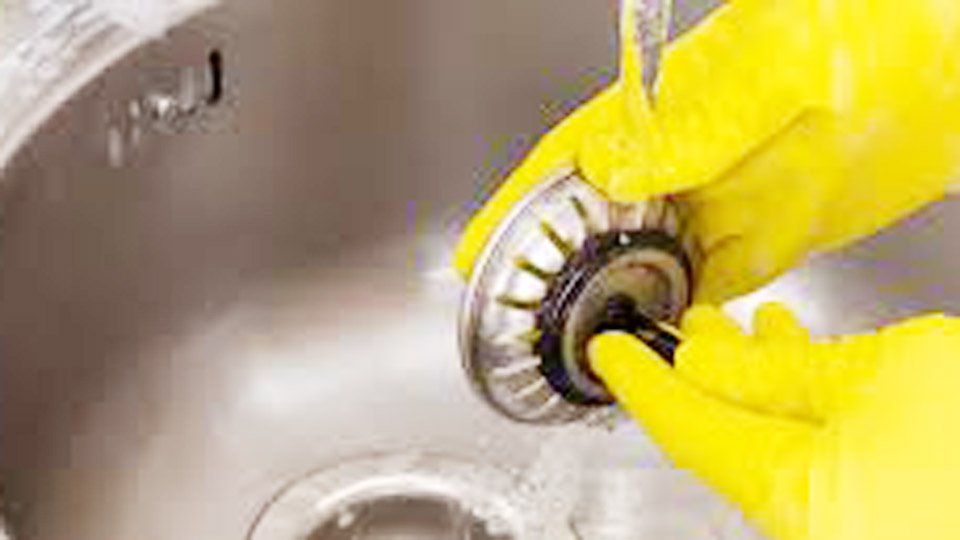
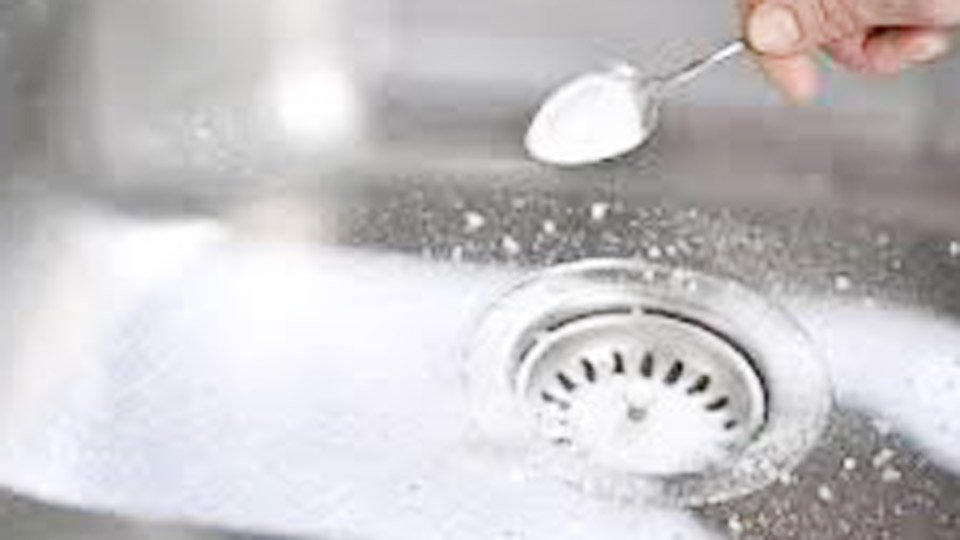
Don’t forget about hidden spots like sink drains or fridge handles. These high-touch areas harbor pathogens if ignored. I’ve pulled out some nasty gunk from client sinks that explained their recurring tummy issues. A weekly scrub with baking soda and a brush can nip that in the bud, ensuring your kitchen stays a safe zone for meal prep.
Extending the Life of Your Kitchen Appliances and Surfaces
Cleaning isn’t just about health—it’s a smart investment in your home. Appliances like ovens, fridges, and dishwashers last longer when maintained properly. Grease buildup in an oven, for instance, can cause uneven heating or even fire hazards. I’ve rescued many a stove from premature death by showing owners how to clean the coils regularly.
Surfaces take a beating too. Granite or quartz counters can stain if spills sit too long, and wooden cabinets warp from moisture. In my years of cleaning, I’ve found that using microfiber cloths with mild soap prevents scratches and preserves that new-kitchen shine. It’s cheaper than replacements, and it keeps your space looking fresh without major renos.
Even small items like cutting boards benefit. Plastic ones can harbor deep grooves where bacteria hide, while wooden ones need oiling to avoid cracking. I once had a client whose board was so worn it was unsafe; a quick replacement and cleaning routine fixed it. Bottom line: Regular care extends everything’s lifespan, saving you money in the long run.
Here’s a quick comparison of common kitchen surfaces and how to clean them:
| Surface Type | Cleaning Method | Frequency | Pro Tip |
|---|---|---|---|
| Granite/Quartz | Mild soap and water, sealed annually | Daily wipe, deep clean weekly | Avoid acidic cleaners like vinegar to prevent etching. |
| Stainless Steel | Microfiber with dish soap, polish with olive oil | After each use | Buff in the direction of the grain to avoid streaks. |
| Wood Cabinets | Damp cloth with gentle wood cleaner | Weekly | Test new products on a hidden spot first. |
| Tile Floors | Vinegar solution and mop | Daily sweep, weekly mop | Use baking soda paste for grout stains. |
This table has helped me guide countless homeowners—pick what fits your setup.
Creating a Welcoming Space for Family and Friends
A clean kitchen isn’t just functional; it’s inviting. When guests drop by, a spotless space says “welcome” without words. I’ve hosted many impromptu dinners, and nothing beats the confidence of knowing my counters are clear and ready for action. It turns cooking into a social event rather than a scramble.
For families, it’s about building habits. Kids learn responsibility by helping with wipes or loading the dishwasher. In my home, we make it fun with music during cleanup time—it sticks better that way. A tidy kitchen encourages healthier eating too, since you’re more likely to cook when everything’s accessible.
Emotionally, it fosters connection. Think holiday baking with zero stress from old messes. I’ve shared laughs over clean counters with friends, turning ordinary nights into memorable ones. Cleaning keeps the heart of your home beating strong.
Step-by-Step Guide: My Daily Kitchen Cleaning Routine
Let’s get practical. I start my day with a quick once-over: Wipe counters with a soapy cloth while coffee brews. It takes two minutes and sets a fresh tone. Next, tackle the sink—scrub with baking soda to remove overnight gunk, then rinse thoroughly.
After meals, load the dishwasher immediately and hand-wash pots. I use hot water and gloves to protect my hands. Floors get a sweep; spills are spot-cleaned right away to avoid sticky buildup. End the day by emptying trash and checking the fridge for expired items—prevents odors overnight.
For busier folks, adapt it: Focus on high-traffic areas first. I’ve timed this routine at under 15 minutes, proving it’s doable even with a full schedule. Stick to it, and your kitchen stays manageable.
Deep Cleaning Tips for Your Kitchen
Daily routines are great, but deep cleans keep things pristine. Once a month, I pull out appliances to clean behind them—vacuum dust and wipe grease. For ovens, a baking soda paste left overnight works wonders without fumes.
Fridges need emptying: Wipe shelves with vinegar solution, toss old food. Drawers get organized too. Cabinets? Empty, dust, and reline if needed. I’ve found forgotten spills this way that could have turned moldy.
Microwaves and toasters: Crumb trays out, interiors steamed with lemon water for natural deodorizing. It’s satisfying work that pays off in freshness. Safety first—unplug everything before starting.
Common Kitchen Cleaning Mistakes to Avoid
One biggie: Using the same sponge everywhere. It spreads germs like wildfire. I switch to color-coded cloths—green for counters, blue for appliances—to keep things separate.
Overloading the dishwasher is another. Items don’t clean properly, leading to residue. Space them out for better results. And skipping the garbage disposal clean? Hello, smells! Pour vinegar and ice down weekly.
Harsh chemicals on wrong surfaces etch or discolor. I’ve seen ruined counters from bleach—stick to labeled products. Rushing dries spots unevenly; take time for thorough rinses.
Choosing the Right Cleaning Products for Your Kitchen
Not all cleaners are equal. For everyday, I love eco-friendly options like Mrs. Meyer’s—smells great, works well. For tough grease, Dawn dish soap cuts through without effort.
Microfiber cloths are my go-to; they trap dirt without streaks. Avoid paper towels for big jobs—they waste money. Stock up on baking soda and vinegar—versatile, cheap, and non-toxic.
Consider allergies: Hypoallergenic lines like Seventh Generation suit sensitive homes. I’ve tested dozens; find what fits your needs and budget.
| Product Type | Eco-Friendly Option | Commercial Option | Best For |
|---|---|---|---|
| All-Purpose Cleaner | Vinegar + Water | Lysol | Counters, quick wipes |
| Degreaser | Baking Soda Paste | Goo Gone | Stoves, hoods |
| Disinfectant | Hydrogen Peroxide | Clorox Wipes | High-touch areas |
| Floor Cleaner | Castile Soap Mix | Swiffer Solution | Tiles, linoleum |
This guide simplifies shopping—start simple.
Eco-Friendly Cleaning Options for a Greener Kitchen
Going green doesn’t mean less effective. Vinegar kills bacteria naturally; I mix it 50/50 with water for sprays. Baking soda scrubs without scratching—perfect for sinks.
Essential oils like lemon add scent and antimicrobial power. I’ve DIY’d cleaners that rival store-bought. Reusable cloths cut waste; wash them hot to sanitize.
For tougher jobs, enzyme-based products break down organics safely. It’s better for the planet and your family—I’ve switched fully and never looked back.
How to Maintain a Clean Kitchen Routine Long-Term
Consistency is key. Set reminders on your phone for weekly tasks. Involve the family—assign roles to share the load. I’ve turned it into a game with rewards.
Track progress: Note what works, adjust as needed. Seasonal changes matter—more deep cleans in summer for pest prevention. Stay motivated by enjoying the results.
Over time, it becomes second nature. My clients report less stress once routines stick. You’ve got this—start small.
Conclusion
So, why is cleaning important in the kitchen? It protects health, saves money on repairs, and creates a space where life happens joyfully. From my years scrubbing counters and advising families, I’ve seen how these habits transform homes. You now have the tools to clean smarter, not harder—implement one tip today and build from there.
Don’t wait for messes to pile up. A little daily effort prevents big problems, leaving more time for what matters—like sharing a meal with those you love.
FAQ
How often should I deep clean my kitchen?
Aim for monthly deep cleans, focusing on appliances and hidden areas. Daily wipes handle the rest. In busy households like mine, this keeps everything under control without overwhelming weekends.
Can vinegar really replace commercial cleaners in the kitchen?
Absolutely—it’s effective against grease and bacteria, plus it’s cheap and safe. I use it daily on counters. For stubborn stains, pair it with baking soda for extra power.
What’s the best way to remove kitchen odors naturally?
Lemon and baking soda are my favorites—rub lemon on cutting boards or leave baking soda in the fridge. Simmer herbs on the stove for quick freshening. It beats chemical sprays every time.
Does cleaning the kitchen help with pest control?
Yes, pests love crumbs and grease. Regular cleaning removes attractants. I’ve helped clients eliminate ants by sealing food and wiping surfaces nightly—prevention works wonders.
How can I clean my kitchen quickly when guests are coming?
Focus on visible areas: Counters, sink, and floors. A 10-minute blitz with microfiber and all-purpose spray does the trick. Hide dishes in the dishwasher—I’ve saved many a gathering this way.