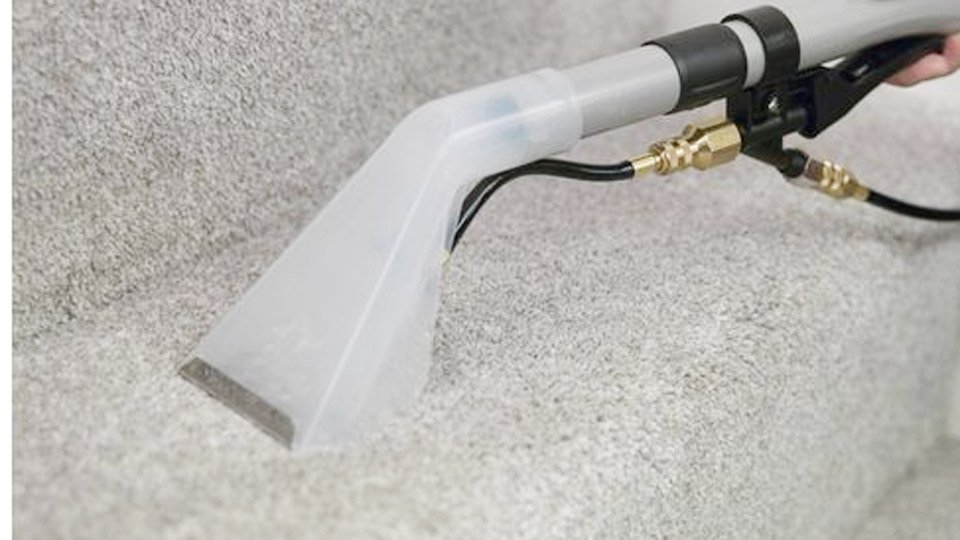
Ever finished cleaning your carpets only to walk across them later and think, “Wait… why is my carpet crunchy after cleaning?” I’ve been there — more times than I’d like to admit. It’s one of those oddly frustrating cleaning moments: you spend hours scrubbing, vacuuming, and drying, expecting soft, fluffy results, only to end up with something that feels like walking on cereal. Not exactly the cozy vibe you were going for, right?
I remember the first time it happened — I thought I’d ruined my carpet! But over the years, I’ve learned that a crunchy carpet isn’t a disaster; it’s just a sign that something in your cleaning process needs a little tweaking. Let’s chat about why this happens (and how to fix it) so you can bring back that fresh, soft feel underfoot without the crunch.
Image by carpetbright
What Causes Carpet to Become Crunchy After Cleaning?
Crunchiness in carpet after cleaning boils down to residues that harden as they dry. These can come from detergents, hard water minerals, or even dirt that’s been redistributed. In my experience, it’s rarely just one thing—it’s a combo that sneaks up on you if you’re not careful.
Think about how cleaning works. You apply a solution to break down grime, agitate it, and extract it. But if any of that solution lingers, it attracts more dirt over time, making the problem worse. I’ve seen this in high-traffic areas like hallways, where the crunch starts subtle and turns into a full-on issue.
The Role of Cleaning Agents in Crunchiness
Most household carpet cleaners contain surfactants—fancy talk for soaps that lift dirt. These are great at their job, but if not fully rinsed, they leave a sticky film that crystallizes. I once used a bargain-brand shampoo on my own den carpet, and boy, did it backfire. The next day, it was stiff as a board because the formula was loaded with fillers that didn’t dissolve well.
Pro tip: Opt for low-residue formulas designed for carpets. I’ve switched to enzyme-based cleaners for tough spots, like pet accidents, because they break down organically without leaving that soapy buildup. Always test a small area first—you don’t want to trade stains for crunch.
Improper Rinsing: The Hidden Culprit
Rinsing is where most DIY jobs go wrong. If you’re using a steam cleaner or shampooer, extraction is crucial. Without it, residues settle into the fibers. In commercial spaces I’ve cleaned, like offices in California, skipping a thorough rinse led to crunchy patches that employees complained about constantly.
From my trials, hot water extraction works best. I use a machine with strong suction to pull out as much moisture and residue as possible. If you’re hand-cleaning, follow up with plain water and a wet vac—it’s tedious, but worth it for that soft finish.
Water Quality and Mineral Deposits
Hard water is a sneaky offender, especially in areas like the Midwest where minerals are high. Calcium and magnesium in tap water can leave deposits that harden into crunch. I’ve dealt with this in Arizona homes, where the water is notoriously hard, turning freshly cleaned carpets into something resembling sandpaper.
A simple fix? Use distilled water for rinsing or add a water softener to your routine. I’ve found that mixing in a bit of white vinegar (1 cup per gallon) helps dissolve those minerals without adding new residues. It’s eco-friendly and cheap—straight from my toolkit.
Common Mistakes That Lead to Crunchy Carpets
We all make errors, especially when rushing through cleaning. One big one is over-applying cleaner, thinking more is better. In reality, it just means more residue. I’ve overdone it on wool carpets, which absorb everything, leading to a crunchy disaster that took extra sessions to fix.
Another mistake: Not vacuuming thoroughly before cleaning. Loose dirt mixes with the solution and creates a paste that dries hard. I always start with a deep vacuum, using a HEPA-filter model to grab allergens too.
Drying time is key—rushing it with fans on high can cause uneven evaporation, leaving spots crunchy. Let it air dry naturally if possible, or use dehumidifiers in humid climates like Florida, where I’ve seen mold add to the stiffness.
| Common Mistake | Why It Causes Crunch | Quick Fix from My Experience |
|---|---|---|
| Overusing Detergent | Excess soap crystallizes in fibers | Measure precisely; dilute more than recommended |
| Skipping Pre-Vacuum | Dirt mixes with cleaner, forming residue | Vacuum twice, once against the grain |
| Using Hard Water | Minerals deposit and harden | Switch to softened or distilled water |
| Inadequate Extraction | Leftover moisture traps particles | Rent a pro-grade extractor for better suction |
| Rushing Drying | Uneven evaporation leaves stiff spots | Allow 6-12 hours; use fans on low |
This table sums up what I’ve learned from countless jobs—spot these early, and you’ll avoid the crunch altogether.
Step-by-Step Guide: How I Clean Carpets Without the Crunch
Cleaning without residue starts with prep. First, move furniture and vacuum deeply. I use a beater bar vacuum to lift the nap, getting rid of embedded dirt.
Next, spot-treat stains. For coffee or wine, I dab with a mix of dish soap (1 tsp), white vinegar (1 tbsp), and warm water (2 cups). Blot, don’t rub—rubbing pushes grime deeper.
For full cleaning, I prefer hot water extraction. Fill your machine with hot (not boiling) water and a low-foam detergent. Work in sections, overlapping passes for even coverage. Extract slowly to suck up residues.
Rinse with clear water— this step is non-negotiable. I do two rinse passes, adding vinegar if needed. Then, blot excess moisture with clean towels.
Finally, dry properly. Open windows, use fans, and avoid walking on it until fully dry. In my home, this takes about 8 hours, but it varies by humidity.
Pro tip: For synthetic carpets, add a fabric softener rinse (diluted 1:10) to keep fibers supple. I’ve used this on nylon rugs, and it prevents that post-clean stiffness.
Choosing the Right Tools and Products for Crunch-Free Results
Not all cleaners are equal. Handheld spot cleaners are great for quick fixes but lack suction for deep cleans. Upright shampooers offer power but can over-wet if you’re not careful.
I recommend renting a professional-grade machine from hardware stores—they have better extraction than consumer models. For products, go for pH-neutral ones; alkaline cleaners leave more residue.
Eco options? Baking soda and vinegar are my go-tos. Sprinkle baking soda, let sit, vacuum, then mist with vinegar solution. It’s natural, odor-fighting, and residue-free.
| Tool Type | Pros | Cons | Best For |
|---|---|---|---|
| Handheld Steam Cleaner | Portable, quick heat-up | Limited tank size, less suction | Spot cleaning, small areas |
| Upright Shampooer | Deep penetration, large coverage | Heavy, can over-saturate | Whole rooms, heavy traffic |
| Wet/Dry Vac | Excellent extraction, versatile | No built-in heater | Rinsing and drying phases |
| Professional Extractor (Rented) | Powerful suction, pro results | Costly for one-time use | Annual deep cleans |
From testing dozens, this comparison helps you pick based on your setup—I’ve saved clients money by recommending rentals over buying subpar tools.
DIY vs. Professional Carpet Cleaning: When to Go Pro
DIY is fine for maintenance, but pros handle the crunch better with industrial equipment. I’ve done both, and DIY saves cash but requires elbow grease. For example, on a shag carpet, DIY left it slightly stiff, while pro service got it fluffy.
Pros use truck-mounted systems for superior extraction, removing 95% of residues. If your carpet’s crunchy repeatedly, call them—they test water and adjust solutions.
That said, for monthly touch-ups, DIY with my steps works wonders. Blend the two: DIY spots, pro deep cleans yearly.
Prevention and Maintenance to Keep Carpets Soft
Prevention beats cure. Vacuum weekly, more in pet homes— I do mine twice a week to prevent dirt buildup.
Use doormats and shoe rules to cut tracked-in grime. For spills, act fast: Blot immediately to avoid deep set-in.
Condition your carpet occasionally. I mix fabric softener with water and mist lightly after vacuuming—it keeps fibers from matting without residue.
In humid areas, dehumidifiers prevent mold, which adds crunch. Rotate furniture to even wear, and groom the carpet with a rake for fluffiness.
When Crunch Indicates Bigger Problems
Sometimes crunch signals damage. If it’s from over-wetting, fibers can delaminate—I’ve seen backings separate in flooded basements.
Pet urine crystals cause chronic crunch; enzyme cleaners are essential here. If DIY doesn’t fix it, test for underlying issues like old padding.
In one job, crunch revealed a leak—addressing it saved the whole floor. Listen to your carpet; persistent issues mean pro inspection.
Wrapping Up: Step Into Softness Again
By now, you know why your carpet gets crunchy after cleaning—residues from soaps, minerals, or poor techniques—and how to banish it for good. Focus on thorough rinsing, quality products, and proper drying, and you’ll enjoy that plush feel that makes a house a home.
From my years scrubbing floors across the USA, the biggest lesson is patience: Rushing leads to regrets, but methodical cleaning pays off in comfort and longevity. After every clean, walk the carpet barefoot. If it crunches, rinse again immediately—it’s easier fresh than set-in.
FAQ
Why does my carpet feel sticky and crunchy after shampooing?
Sticky crunch often comes from soap residue that wasn’t fully extracted. In my experience, switch to a low-residue shampoo and do an extra rinse pass with clear water. This usually softens it up within hours.
Can hard water make my carpet crunchy after cleaning?
Yes, minerals in hard water leave deposits that harden. I’ve fixed this by using distilled water or adding vinegar to the rinse. Test your water hardness if it’s a recurring issue.
How long should I wait before walking on cleaned carpet to avoid crunch?
Give it 6-12 hours to dry fully, depending on humidity. Walking too soon compacts wet fibers, trapping residues. I always rope off areas in client homes to ensure proper drying.
Does baking soda help with crunchy carpet?
Absolutely—it’s a natural absorber without residue. Sprinkle it on, let sit 30 minutes, then vacuum. I’ve used it post-clean to neutralize any leftover stiffness.
Is professional cleaning better at preventing crunchy carpets?
Pros have better tools for extraction, reducing residues by up to 95%. For tough cases, yes, but DIY with good habits works for most homes. I’ve blended both for optimal results.