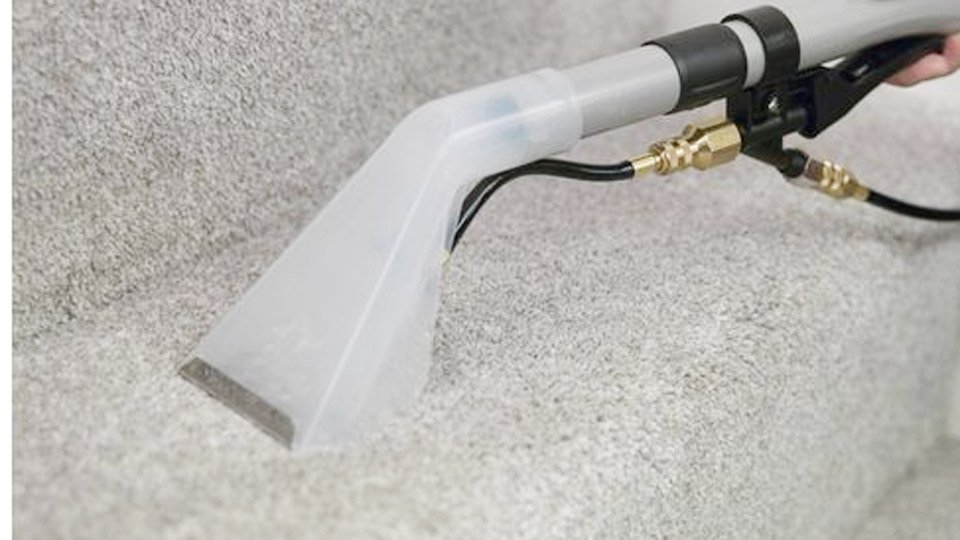
I remember the chaos of the day my Vax carpet cleaner turned my living room into a soggy mess. My kids and dog had tracked mud across the carpet after a rainy play session, and I thought a quick clean would save the day. Instead, water started pooling on the floor, and I was left wondering, “Why is my Vax carpet cleaner leaking water?” If you’re here, you’re likely in the same boat—frustrated and looking for answers.
As a homeowner who’s tackled countless cleaning challenges, from pet stains to spilled snacks, I know how vital a reliable carpet cleaner is for keeping your home safe and healthy. Leaks aren’t just annoying; they can lead to mold, slippery floors, or even electrical risks, which is a big deal for parents, renters, or anyone who loves a clean space. In this guide, I’ll share practical, budget-friendly fixes I’ve learned from my own trial and error, tailored for American households where hygiene and efficiency matter.
A leaking Vax isn’t just a minor hiccup—it impacts your home’s health and safety. Carpets trap dust, allergens, and bacteria, which can worsen allergies or asthma, especially for kids or elderly family members. For renters, water damage risks costly repairs, while homeowners want to protect their flooring investment. Plus, nobody wants to spend hundreds on a new machine when a simple fix might do. Using tools and parts you can grab at Home Depot or Walmart, I’ll walk you through safe, effective solutions to get your Vax running smoothly again.
Image by vax
How Your Vax Carpet Cleaner Works
To fix a leak, it helps to understand your machine’s basics. Vax carpet cleaners, popular across U.S. homes for their strong suction and ease of use, have a clean water tank for solution, a dirty water tank for collection, nozzles for spraying, and brushes for scrubbing. Water flows from the clean tank through hoses and valves to the nozzles when you pull the trigger.
A disruption—like a worn seal or clog—can cause water to escape. Models like the Vax SpotWash or Platinum series are great for tackling upholstery or rugs, but they’re not immune to leaks if neglected. Think of it like maintaining your car: a little care prevents big problems.
Why Your Vax Carpet Cleaner Might Be Leaking
Leaks usually stem from a few common issues, often tied to wear or simple oversights. One frequent culprit is a faulty seal or O-ring in the clean water tank. These rubber pieces ensure a watertight fit, but they can crack or dislodge over time, especially if you’ve been rough when removing the tank. I once found water dripping from the base after a long cleaning session, and the O-ring was the issue—it had slipped out of place.
Another common problem is a damaged valve. The valve at the tank’s bottom controls water flow, and if it’s stuck or worn, water leaks constantly. Clogged nozzles can also force water out through odd spots, like the machine’s back or sides, due to old solution or debris buildup. Occasionally, manufacturing flaws—like an uneven tank surface—prevent seals from sitting flush, causing slow drips.
Imagine this: You’re a renter racing to clean your apartment’s carpet before a landlord inspection, and a leak soaks the floor, risking damage to the laminate underneath. Or you’re a parent cleaning up after a toddler’s juice spill, only for the machine to flood the area, turning a quick job into a major cleanup. Worse, water near electrical components can trip breakers or cause shorts, like when my Vax sparked and sent me scrambling to unplug it.
How to Troubleshoot a Leaking Vax Carpet Cleaner
When my Vax started leaking, I grabbed a towel and got to work systematically. Here’s a step-by-step guide to help you do the same, safely and easily. Always unplug the machine first to avoid electrical shocks, and work in a well-lit spot like your kitchen or garage.
Start by checking the clean water tank. Remove it, fill it halfway with water, and hold it over a sink. If it drips, the valve or seal is faulty. Look for hairline cracks in the plastic—they’re tricky but common after drops.
Next, inspect the O-rings or grommets at the tank’s base. These small rubber circles should feel intact and snug. If they’re torn or missing, that’s likely your leak’s source.
Test the nozzles and hoses. Reattach the tank, plug in the machine (over a protected surface), and pull the trigger. Uneven spraying or leaks at connections point to clogs or loose fittings.
Finally, ensure the dirty water tank is properly locked in. A misaligned tank can cause backflow leaks.
Here’s a quick checklist for busy folks:
- Unplug and empty both tanks.
- Check seals for damage or absence.
- Test the tank valve for drips.
- Clean nozzles with a vinegar solution.
- Ensure all connections are tight and tanks are seated correctly.
- Note if leaks happen only when running or constantly.
This process took me about 15 minutes and saved me from calling a repair service.
DIY Fixes for Vax Carpet Cleaner Leaks
Many leaks are fixable with household tools and affordable parts from a hardware store. Here’s how to tackle common issues.
For a damaged or missing O-ring, replacement is easy. Measure the old one (usually 1-2 inches in diameter) and buy a plumbing O-ring pack for around $5. Slide the new one into place with a dab of dish soap for smooth fitting. This fixed a drip on my SpotWash instantly.
If the valve is faulty, try cleaning it first with warm soapy water, then rinse thoroughly. If it’s still leaking, order a model-specific valve online for under $20. Unscrew the old one carefully—use pliers if needed—and install the new one.
For clogged nozzles, mix equal parts white vinegar and water, pour into the clean tank, and run the machine over a sink. This dissolves buildup safely. Wear gloves to avoid skin irritation, and open a window for ventilation.
If the tank’s surface is uneven, causing seal issues, apply a thin layer of waterproof silicone sealant to smooth it out. Let it dry overnight before testing. Be sparing—too much sealant could void your warranty.
In homes with pets, like mine, fur can clog hoses. Follow your manual to disassemble accessible parts and check for kinks or tears. Replace damaged hoses with flexible tubing from an auto parts store.
Safety note: If water is near electrical components, dry the machine thoroughly before retrying to avoid shorts.
Tips for Specific Vax Models
Different Vax models have unique quirks, so here’s tailored advice for popular ones in American homes.
The Vax SpotWash often leaks from nozzles due to constant water flow. Clean the trigger mechanism with isopropyl alcohol if it’s sticky. I’ve used this trick after upholstery jobs, and it works like a charm.
For the Platinum series, leaks from the solution tank may come from compressed washers under the lid. Gently sand the lid’s edge for a tighter fit, or replace the washer with a standard rubber one.
The Dual Power Pet Advance can leak from the bottom, risking breaker trips. Check the grommet at the tank base—if it’s dislodged, refit it with dish soap. I learned this after storing mine sideways, which I now avoid.
With the Rapide Ultra, back leaks often tie to overflow holes. Avoid overfilling tanks and stick to Vax-approved solutions to prevent foaming.
Here’s a quick reference table:
| Model | Common Leak Spot | Quick Fix |
|---|---|---|
| SpotWash | Nozzles | Clean trigger and valves |
| Platinum | Solution tank | Replace washer or sand lid |
| Dual Power Pet | Bottom/base | Refit grommet with soap |
| Rapide Ultra | Back | Avoid overfilling tanks |
This is handy for parents or renters juggling tight schedules.
Preventing Future Leaks
Prevention is easier than repair, especially for budget-conscious households. After each use, empty and dry both tanks completely—leftover moisture can weaken seals or grow mold. Store the machine upright in a cool, dry place, away from curious kids or pets.
Set a monthly maintenance routine: Inspect seals, clean with mild soap, and use distilled water if your tap is hard to reduce mineral buildup. Stick to Vax’s recommended solutions to avoid clogs.
For American homes with wall-to-wall carpeting, regular deep cleans keep your machine in top shape. As a cleaning enthusiast, I’ve found this saves money in the long run, leaving more for family outings.
Here are some dos and don’ts:
Do:
- Rinse tanks after every use.
- Check seals before cleaning.
- Unplug when not in use.
Don’t:
- Overfill tanks or use unapproved cleaners.
- Store with water inside.
- Ignore small drips—they grow worse.
When to Call a Professional
Some leaks need expert help. If water is near electrical parts or the machine trips breakers, stop using it. Dry it for days, and if the issue persists, contact a repair service—expect $50-100 for diagnostics. Water in the motor can cause shorts, so don’t risk it.
If your Vax is under warranty, document everything before DIY fixes. I’ve had success with Vax’s U.S. support replacing units for persistent leaks. If you smell burning or see sparks, unplug immediately and call a pro—safety first in a family home.
Keep Your Home Clean and Leak-Free
A leaking Vax carpet cleaner can feel like a setback, but with these fixes, you’re well-equipped to handle it. From checking seals to cleaning nozzles, these steps—born from my own spills and successes—will get your machine back to work. Clean carpets mean a healthier, safer home, free of allergens and hazards, which is a win for parents, renters, and cleaning lovers alike. Stick to regular maintenance, and you’ll save time and money while keeping your floors spotless.
Why is water leaking from the bottom of my Vax carpet cleaner?
A damaged or missing O-ring at the tank base is often the cause. Check and replace it with a matching rubber one from a hardware store, ensuring the tank is properly seated.
How do I fix a leaking clean water tank on my Vax?
Inspect for cracks or loose valves. Clean the area, replace seals if needed, and test over a sink. If it persists, a new tank costs around $20-30 online.
Is some dripping normal with Vax carpet cleaners?
Slight drips from joints after use are okay, but constant leaks aren’t. Dry the machine thoroughly after each session to minimize issues.
What should I do if my Vax leaks and trips the breaker?
Unplug it immediately, dry for several days, and check for water in electrical areas. If it continues, call a professional to avoid electrical risks.
Can I use household items to fix Vax nozzle leaks?
Yes, a vinegar-water mix clears clogs safely. Run it through the system over a sink, but always unplug first and ventilate the area.